
Insulation Company in Portola Hills, CA
Blown in insulation is the workhorse upgrade for Portola Hills homes built between the 1980s and early 2000s, where original fiberglass batts have settled, compressed, or simply never filled the sloped ceiling cavities and knee walls common to this foothill community. Most Portola Hills houses were insulated once, decades ago, to code minimums that didn’t account for the intense inland sun on south- and west-facing walls or the Santa Ana wind cycles that push hot, dry air through every gap in the building envelope. Placentia Insulation has served Portola Hills since 2018, and the bulk of our work here is bringing attic and wall cavities back to full density with cellulose or fiberglass blown in from the attic side, which matters because so many of these homes have vaulted ceilings and steep tile roofs that make blanket roll-outs nearly useless. Call (855) 773-6429 for an assessment of what’s actually inside your Portola Hills walls and ceilings.
Why Portola Hills Homes Are Different
Portola Hills sits in the wildland-urban interface above Santiago Canyon, which changes the insulation conversation in ways you won’t hear from a flatland contractor. Cooling-season heat gain through ceilings and sun-exposed walls dominates here, not winter heating demand. The ridge-side streets catch direct afternoon sun, and the canyon geography funnels wind through the community during Santa Ana events. What that means practically: insulation in Portola Hills gets judged as much on ember-resistance, air sealing, and heat gain as on R-value. A house that stays comfortable in July without the AC running constantly needs an attic that actually holds insulation at full depth, not the settled six inches of 1990s batt we typically find. The 1980s through early 2000s tract homes and attached townhomes here share a common set of problems: steep, low-pitch-to-steep tile roofs, vaulted or cathedral ceilings in the main living areas, knee-wall assemblies on the graded slopes, and original insulation that was installed to code minimums without much thought given to how these assemblies actually perform in inland Orange County heat. The 92610 ZIP covers the whole community, and the homes on the flatter benches have different needs than the ones clinging to the hillside, but the common thread is that most were under-insulated for this climate from the day they were built.
Our Main Portola Hills Services
Portola Hills homeowners call us most often about two things: getting their attics brought up to current performance levels and using spray foam to solve stubborn air-sealing and sloped-ceiling problems. These are the two service lines that get the most calls in this community.
Attic Insulation in Portola Hills
Attic insulation in Portola Hills is rarely as simple as rolling out a fresh blanket. The vaulted ceilings, knee walls, and tile roof assemblies common to this community mean we’re often working from the attic side to fill sloped cavities and rebuild the thermal boundary where it actually lives. We inspect what’s up there first, remove or work around what’s failed, and install the material that matches the assembly. Whether it’s blown-in cellulose over existing batts, dense-pack into knee walls, or mineral wool batts where fire resistance matters near the wildland-urban interface, the job starts with a real assessment. Learn more about Attic Insulation in Portola Hills.
Spray Foam Insulation in Portola Hills
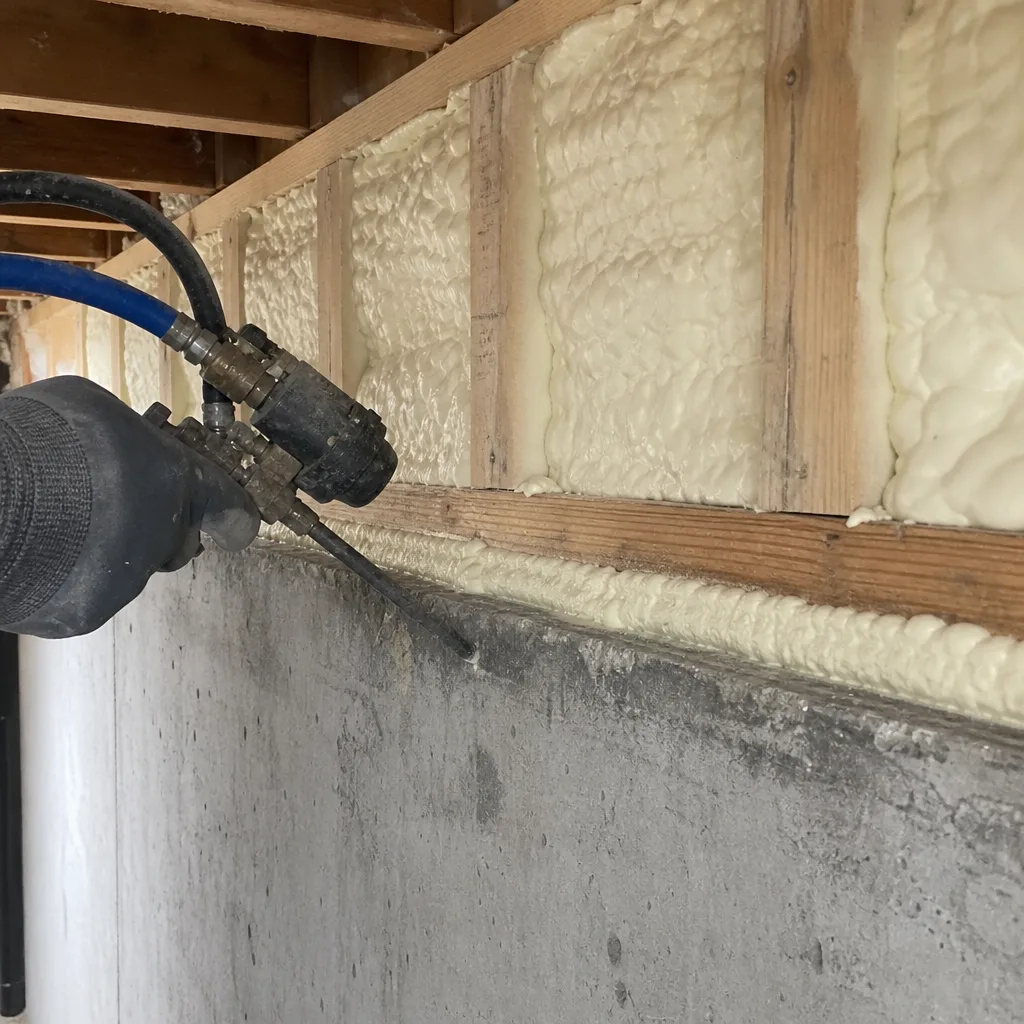
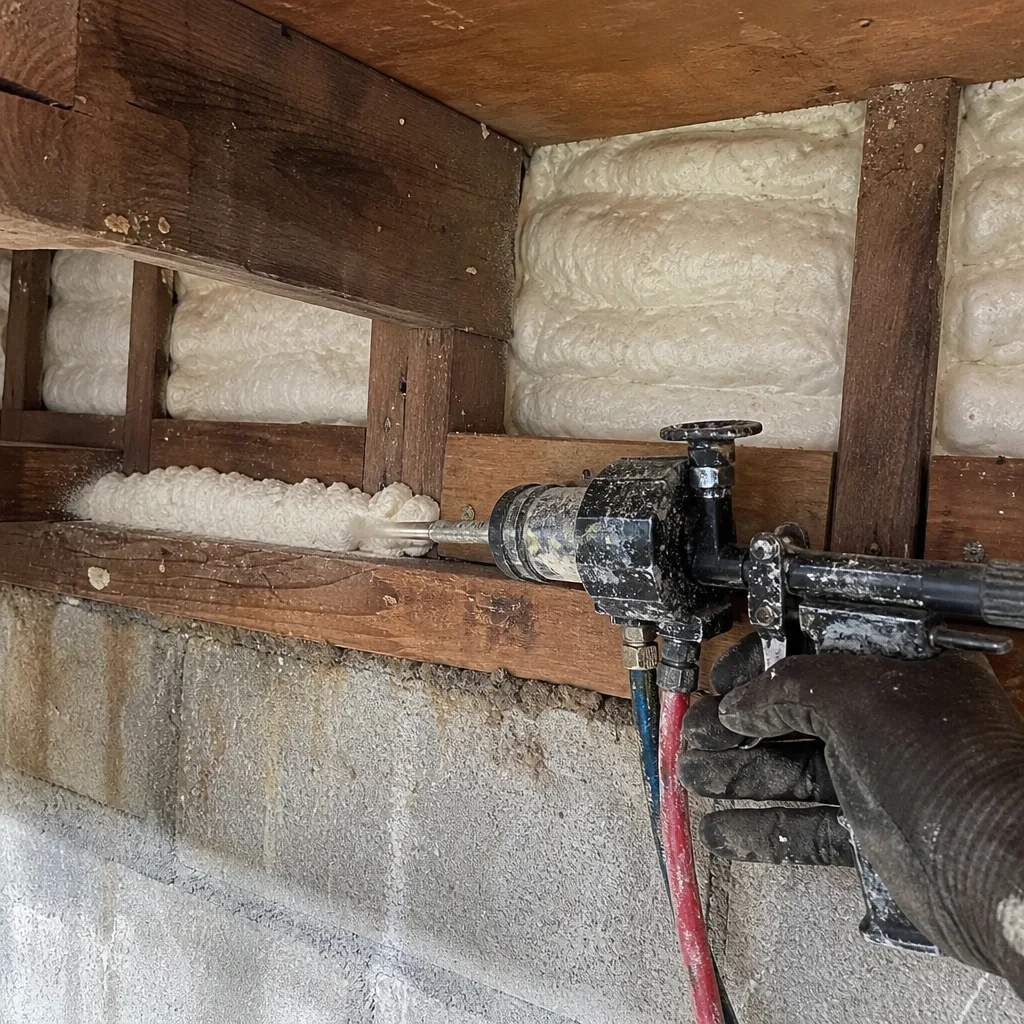
Spray foam earns its place in Portola Hills on the ridge-side streets where air movement through the building envelope is the enemy. Open-cell foam works well in the vented attic assemblies common to 1980s and 1990s builds, while closed-cell foam is what we reach for when a homeowner needs higher R-value per inch, moisture resilience, or structural air sealing in a hard-to-reach sloped ceiling cavity. We carry both Icynene and Demilec foam systems, so the chemistry gets matched to the application, not the other way around. See what’s involved with Spray Foam Insulation in Portola Hills.
What happens when you call
- 1
A real person answersNo phone trees — you reach a local pro.
- 2
You get an upfront price rangeHonest numbers before anyone is dispatched.
- 3
A background-checked tech heads outLicensed & insured, dispatched right away.
- 4
You approve before work beginsNothing starts until you say go.
Blown In Insulation in Portola Hills
In Portola Hills, blown in insulation solves the most common problem we find: original fiberglass batts that have settled, compressed, or were never installed correctly in the first place. The vaulted ceilings, knee walls, and steep tile roofs throughout 92610 mean we’re usually blowing cellulose or fiberglass into sloped ceiling cavities from the attic side, which restores full-depth coverage and fills the gaps that batts always leave at framing junctions. We’re a dedicated Blown In Insulation contractor with eight brands in inventory, including GreenFiber cellulose and Johns Manville fiberglass, so the material gets chosen for the assembly, not for whatever is on the truck.
Cellulose Insulation
Signs you need it
Rooms directly under the roof feel ten degrees hotter than the rest of the house by mid-afternoon, and the attic floor looks patchy with visible gaps at the eaves.
What it costs in Portola Hills
Blown-in cellulose for a typical Portola Hills attic runs $1,560 to $3,920 depending on square footage and the depth needed to hit R-38 to R-60.
How we do it
We air-seal the ceiling plane first, then machine-blow GreenFiber cellulose to a consistent measured depth across the attic floor, sidewalls, and any sloped ceiling cavities we can reach.
Blown In Attic Insulation
Signs you need it
The upstairs bedrooms won’t hold temperature after sunset, and your energy bill climbs every summer while the AC runs constantly through the cooling season.
What it costs in Portola Hills
Blown-in attic work in a Portola Hills tract home falls between $1,560 and $3,920, with the final figure driven by attic access, existing insulation condition, and target R-value.
How we do it
We remove or level failed material where needed, air-seal penetrations around can lights and top plates, and blow insulation to a uniform depth verified with depth markers.
Blown In Fiberglass Insulation
Signs you need it
You can see exposed ceiling joists in the attic, and the existing batts are compressed flat from storage or foot traffic.
What it costs in Portola Hills
Expect to spend $1,560 to $3,920 for blown-in fiberglass in a typical Portola Hills attic, though we quote by the square foot and depth after an inspection.
How we do it
We use Johns Manville blown-in fiberglass and machine-calibrated settings to deliver the exact R-value specified, including dense-pack where walls or knee-wall cavities need full fill.
What Blown In Insulation Costs in Portola Hills
| Item | Typical range in Portola Hills |
|---|---|
| Blown-in insulation for a typical Portola Hills attic | $1,560 – $3,920 |
| Whole-home blown-in insulation project | $3,900 – $9,800 |
| Attic air sealing plus blown-in insulation (combined) | $2,835 – $6,094 |
How long does blown in insulation last in Portola Hills?
Blown-in cellulose or fiberglass lasts 20 to 30 years in Portola Hills attics, but Santa Ana dust intrusion and decades of canyon wind can reduce performance if air sealing was skipped. A professional inspection every few years catches settling early.
Can blown in insulation help with upstairs heat in Portola Hills summers?
Yes. Full-depth blown-in coverage in the attic is the single most effective upgrade for second-story heat gain in Portola Hills, where afternoon sun loads the tile roof and radiates into living spaces. Call (855) 773-6429 for an attic assessment.
Brands We Service in Portola Hills
We carry and install Rockwool mineral wool, CertainTeed fiberglass, Icynene and Demilec spray foam, plus GreenFiber cellulose and Johns Manville products. Most materials are stocked at our Placentia yard, which means common Portola Hills jobs don’t wait on a supplier. See our brands for the full material library and what each one suits in this climate.
Pricing for Insulation Company in Portola Hills, CA
| Service | Typical range in Portola Hills |
|---|---|
| Blown-in insulation (attic) | $1,560 – $3,920 |
| Whole-home blown-in insulation | $3,900 – $9,800 |
| Attic air sealing + blown-in insulation | $2,835 – $6,094 |
| Spray foam insulation (attic) | $2,670 – $7,550 |
| Whole-home spray foam | $6,680 – $18,275 |
| Attic insulation + air sealing (spray foam) | $3,300 – $8,880 |
| Mineral wool batts (attic) | $2,220 – $5,720 |
| Knee wall insulation (dense-pack or batts) | $1,270 – $3,520 |
| Attic insulation removal & replacement | $2,170 – $5,000 |
Prices in Portola Hills run toward the upper end of these ranges when we’re working on steep tile roof assemblies with limited attic access or when vaulted ceilings require working from inside the cavity rather than the attic floor. Every quote is upfront and in writing before work starts, and we don’t add line items after the fact.
Neighborhoods We Serve in Portola Hills
We work throughout 92610, from the ridge-side streets above Santiago Canyon to the flatter benches where the townhomes cluster. The terrain matters: basementless slab foundations here mean most insulation work happens from above, and the graded lots often put one side of a house at attic level and the other at a walkout, which changes access and material choices.
- Portola Hills Ridge (ridge-side streets with vaulted ceilings and steep tile roofs)
- Portola Hills Bench (flat-bench attached townhomes, shared-wall fire considerations)
- Portola Hills Canyon Edge (homes bordering the wildland interface, ember-resistance priorities)
- Portola Hills North (graded single-family tracts from the 1990s and early 2000s)
- Portola Hills South (near the Foothill Ranch boundary, heavy afternoon sun exposure)
We typically schedule Portola Hills assessments within a few days of your call, and most blown-in or attic work can be completed in a single day once the material is specified.
Service Area – Cities Near Portola Hills
Placentia Insulation serves Portola Hills and the surrounding foothill communities, including Foothill Ranch, CA directly to the south, Lake Forest, CA to the southwest, Mission Viejo, CA to the south, and Trabuco Canyon, CA to the east. If you’re in the 92610 ZIP or just across the canyon, call (855) 773-6429 and we’ll confirm coverage for your street.
Serving Portola Hills, CA — Our Local Coverage Area
We’re based in the Portola Hills area and know this community well. Use the map below to see our service coverage — if you’re nearby, we can almost certainly help.
FAQs About Insulation Company in Portola Hills
Most Portola Hills assessments are scheduled within two to three business days, and once we’ve specified the material, a typical blown-in attic job completes in a single day. Ridge-side homes with complicated vaulted assemblies may need a second day, but we’ll tell you that upfront. Call (855) 773-6429 to schedule.
Most Portola Hills HOAs care about visible exterior changes, not attic or wall cavity work, so insulation projects rarely trigger architectural review. The wildland-urban interface building codes are the more important consideration, and we spec materials that satisfy ignition-resistant construction requirements where they apply. We handle the details.
Yes. We serve the entire Portola Hills community within 92610, including ridge-side streets, the flat benches, and homes bordering the open space. Our crews know the terrain, the tile roof patterns, and the common insulation failures in this specific housing stock. If you’re in Portola Hills, we’re already working nearby.
What happens when you call
- 1A real person answersNo phone trees — talk to a local insulation pro.
- 2You get an upfront price rangeHonest numbers before anyone is dispatched. No surprises.
- 3A background-checked tech heads outLicensed & insured, typically within 30–60 min.
- 4You approve before work beginsNothing starts until you say go.
What Portola Hills Customers Say
"Handled the utility rebate paperwork, which knocked a real amount off the final cost."
— Gilbert Ramirez"Attic was at maybe R-11 from the 1970s and blown in over the top would have just buried the problem. They removed the old material, air sealed the top plates and penetrations first, then blew in to R-49. The upstairs is a completely different house in August."
— Veronica Guzman"He did a blower door test before and after and gave me the numbers. I like being able to see the difference rather than being told about it."
— Rachel Sullivan