
Fast, Reliable Attic Insulation Across Culver City
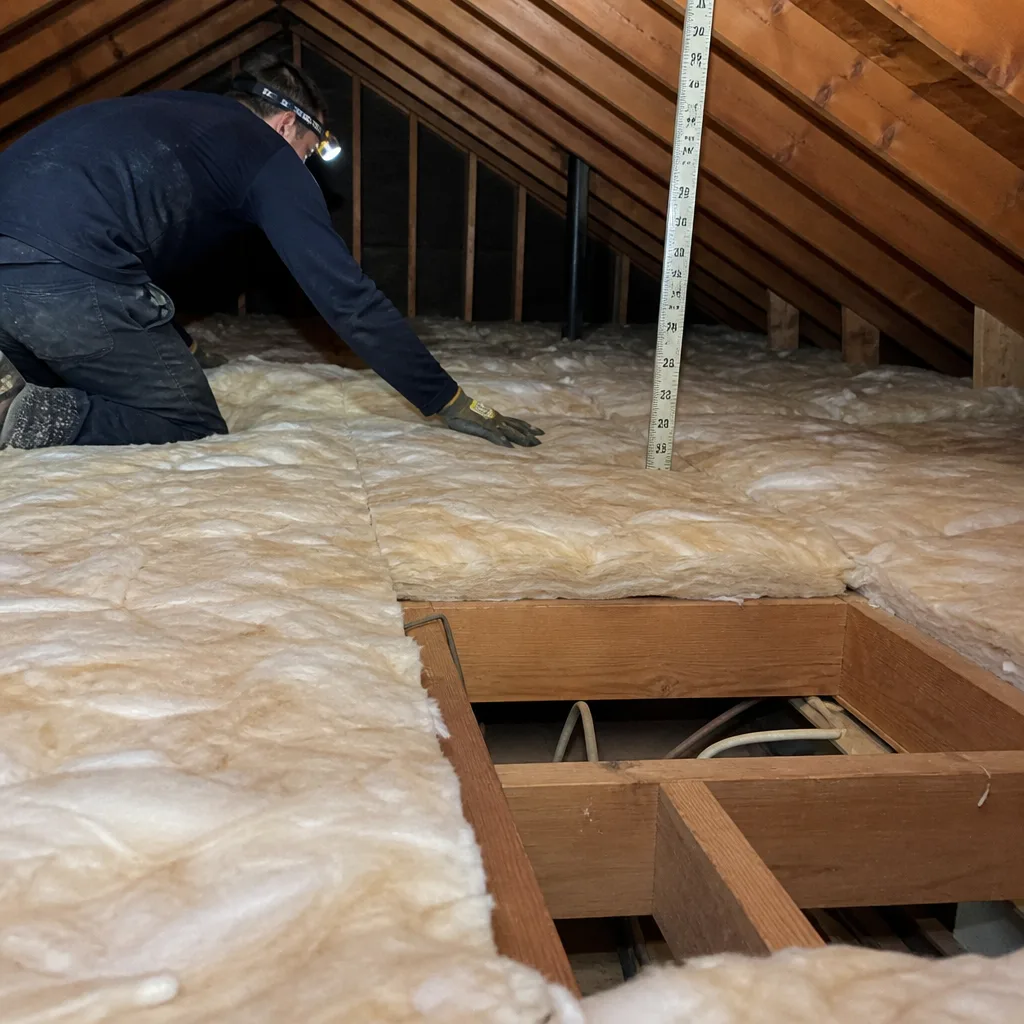
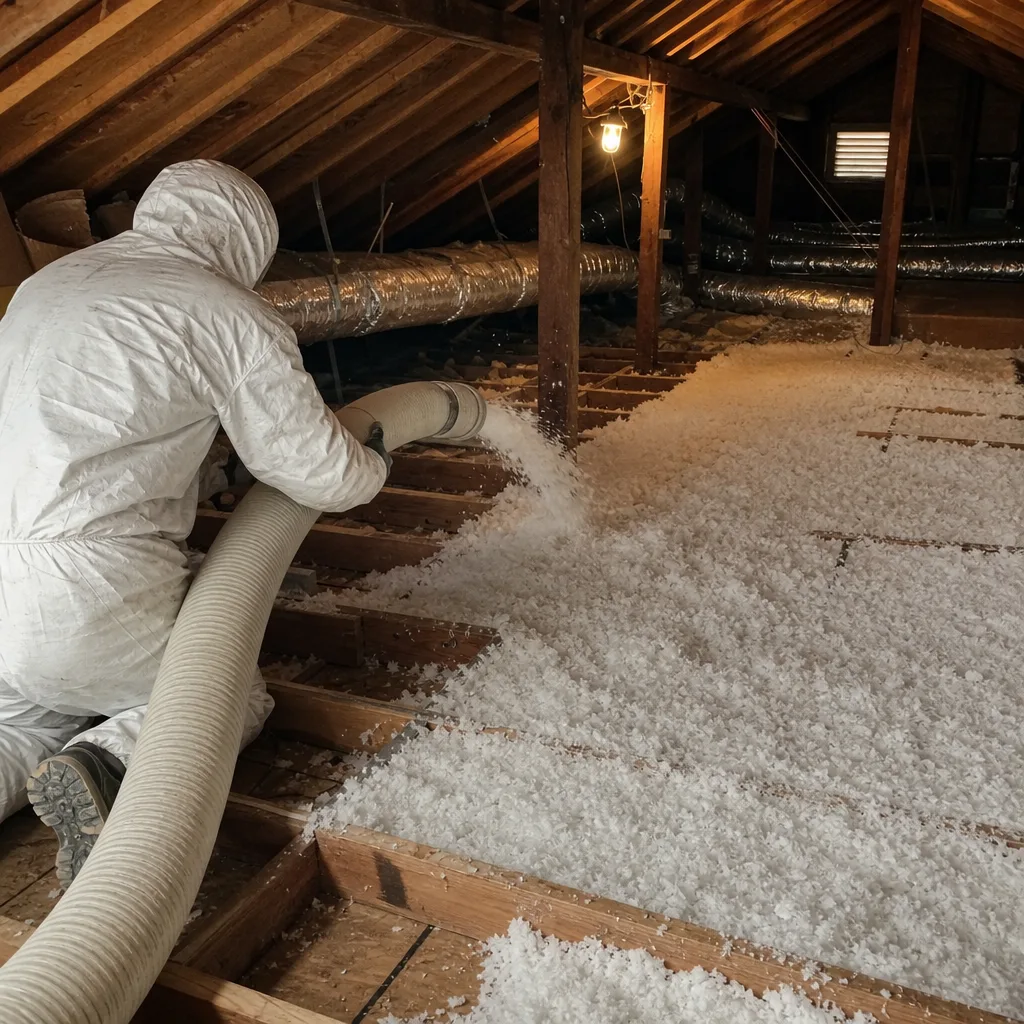
Attic insulation in Culver City usually means retrofit work on 1920s to 1950s homes, not new construction. What you get from us is a specialist who shows up with the right equipment for tight attics and narrow alleys, not a generalist who discovers your house is tricky after the hose is already out. We run low-profile blowers, dense-pack wands, and remote cameras because half the attics in 90230 and 90232 can’t take standard rigs. If you’re tired of a west-facing bedroom that bakes by 3 p.m. or street noise from Venice Boulevard, call Alan Whitcomb’s team at Placentia Insulation: (855) 773-6429. We know these blocks.
Why Placentia Insulation Is Culver City’s Preferred Attic Insulation Company
Most insulation contractors carry one or two product lines. We carry eight: Owens Corning, Johns Manville, Knauf, Rockwool, CertainTeed, Icynene, Demilec, and GreenFiber. That matters in Culver City because the right material for a 1940s stucco bungalow near the Expo Line isn’t the same as the right material for a newer condo near downtown. We match the material to the job, not the job to whatever we have on the truck. Alan and the crew spend their days in attics, not splitting time between plumbing and drywall. Insulation is the whole trade here.
We’re familiar with the alley-loaded lots off Washington Boulevard, the shallow roof pitches in 90232, and the knob-and-tube wiring that shows up in pre-war framing throughout 90230. That local knowledge means we don’t get surprised on site, and we don’t leave you with compressed fiberglass or a blocked soffit vent because the attic was too tight to work properly. We’ve handled the low-clearance jobs other companies walk away from, and we do it with equipment sized for these houses.
Attic Ventilation in Culver City
Attic Ventilation in Culver City matters more than people expect, even in a coastal-adjacent climate. The marine layer sits on these neighborhoods in the mornings, and a poorly vented attic traps that moisture against your roof deck and insulation. Add a Santa Ana heat event, and a sealed-up attic becomes a heat shelf that radiates down into your living space all night. In the low-pitched bungalow blocks off Venice and Washington Boulevards, many older homes have soffit vents that were never adequate or that got blocked when someone added insulation years ago.
What a Ventilation Job Involves Here
We assess your existing intake and exhaust. For the typical 90230 or 90232 bungalow, that often means adding or replacing baffles to keep insulation off the roof deck, cutting proper intake vents in soffits that are accessible from an alley or a narrow side yard, and checking that ridge or gable exhaust can actually move air. On low-slope roofs, the math is tighter and we plan accordingly. A ventilation correction on a Culver City attic typically runs $450 to $1,100, depending on access and how many vents need adding.
Signs You Need Ventilation Work
You’re seeing condensation on the underside of your roof deck or rusty nails in the attic. Ceilings feel warm in the late afternoon even after the sun drops, or your AC runs almost continuously in a room that sits directly under the attic. Some Culver City homes also show paint blistering on the top floor from trapped moisture. We don’t pile more insulation onto a ventilation problem; we fix the airflow first.
Radiant Barrier in Culver City
Radiant Barrier in Culver City is a targeted fix for west- and south-facing roofs that soak up sun from late morning through evening. In a mild climate like ours, the point isn’t to hold heat in; it’s to stop radiant heat from entering the attic in the first place. Homes along the Expo Line, near the Hayden Tract, and throughout the 90232 bungalow blocks regularly hit attic temperatures of 130 degrees or more during Santa Ana events. A radiant barrier attached to the underside of the roof deck can cut that by 20 to 30 degrees before we even talk about adding blown-in insulation.
Where Radiant Barrier Makes Sense
A home with a dark comp-shingle roof and a shallow attic gets the biggest payoff, because the roof is close to the ceiling and heat transfer happens fast. The same goes for west-facing rear bedrooms that are eight to ten degrees hotter than the rest of the house by afternoon. On a typical Culver City attic, a radiant barrier install runs $1,500 to $3,200, depending on roof geometry and whether we’re working around existing structural framing. It pairs well with a top-up on fiberglass or cellulose insulation.
What Installation Looks Like
We staple a perforated foil-faced barrier to the underside of your roof rafters. Perforation matters in Culver City’s climate; it lets moisture escape rather than trapping it against the roof deck. We use long-handled tools and low-profile access for tight attics, and we won’t lay radiant barrier over knob-and-tube wiring. Any active junctions get addressed before barrier goes up, because foil conducts electricity and that’s a non-negotiable safety issue in older 90230 homes.
Trusted Brands We Service in Culver City
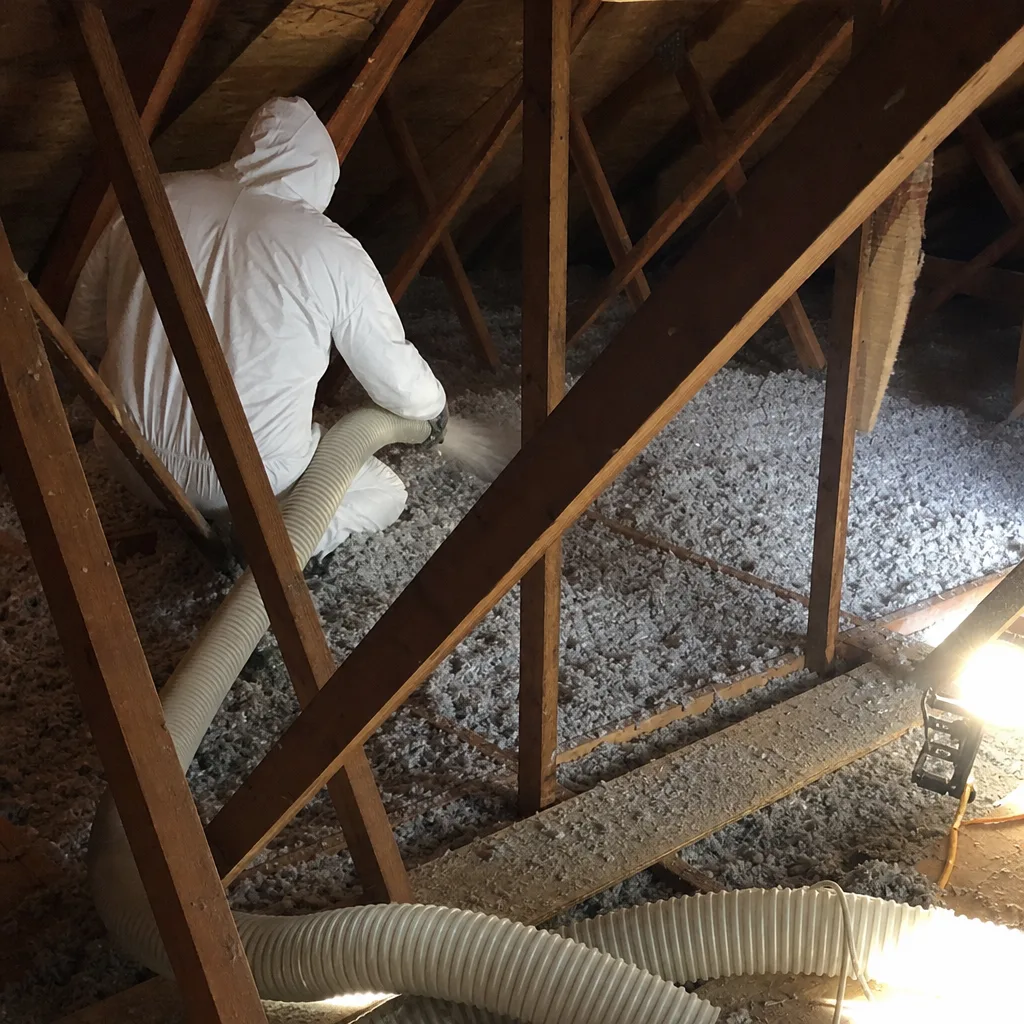
Placentia Insulation stocks insulation from CertainTeed, Icynene, Demilec, and GreenFiber, among others, and we know which one fits which Culver City house. We keep certain GreenFiber dense-pack cellulose on hand for the wall cavities and shallow attics we see constantly in 90230 and 90232. Icynene and Demilec give us both open-cell and closed-cell spray foam options; open-cell is often the right call when you need sound dampening near the Expo Line or under the LAX flight path, and closed-cell is what we recommend when moisture control matters. Having multiple options means we don’t push you toward the one product line we happen to stock; you get the right chemistry for the job, not the default.
Common Attic Insulation Problems We See in Culver City Homes
- Shallow, low-pitched attics that can’t take standard blowers. In the bungalow blocks off Venice and Washington Boulevards, 18-inch attic clearances are common. Standard blow-in equipment can’t navigate those spaces; installers compress the insulation, block baffles, and leave you with less R-value than you paid for.
- Overheated west-facing rooms in the afternoon. Culver City’s summer sun hits hard on west and south walls. In older stucco homes with minimal wall insulation, the rear bedroom and den become heat traps by mid-afternoon, even with the AC running.
- Street and rail noise bleeding through the attic plane. The Expo Line and the flight paths into LAX aren’t just background; they’re a constant low-frequency hum in parts of 90232 and 90233. Attic insulation chosen for heat alone does very little for that noise.
- Knob-and-tube wiring abandoned under old insulation. In pre-war homes across 90230, old knob-and-tube runs still sit inside attic floors and wall cavities. Covering them with insulation without checking the junctions is a fire hazard, and we flag this on nearly every older home we visit.
Pricing for Attic Insulation in Culver City, CA
Attic insulation in Culver City runs anywhere from $900 for a small top-up on a single-story bungalow to $4,500 or more for a full shallow-attic replacement with dense-pack wall work. A typical attic insulation job in 90230 or 90232 lands between $1,600 and $2,900, including air-sealing and baffle install where the attic allows. Radiant barrier adds $1,500 to $3,200. Ventilation work starts around $450 and runs to around $1,100. Dense-packing exterior walls with GreenFiber for sound and heat control adds $1,800 to $4,000 depending on stucco condition and access from alleys or side yards. Those are Culver City market numbers, not national averages; access constraints and narrow lots are already baked in. Call (855) 773-6429 and we’ll give you a fixed number after a site walk. Estimates are free, and Alan Whitcomb’s team doesn’t charge for the visit.
We Also Serve Cities Near Culver City
Our Attic Insulation team covers the full Westside. If you’re in Ladera Heights, Century City, Venice, or Beverly Hills, the same crew and the same eight-brand material library are available to you. We dispatch to these areas weekly, and the process starts the same way: call, schedule a walkthrough, and get a fixed number. For homeowners right here, see our dedicated Attic Insulation in Culver City coverage details.
Serving Culver City, CA — Our Local Coverage Area
We’re based in the Culver City area and know this community well. Use the map below to see our service coverage — if you’re nearby, we can almost certainly help.
FAQs About Attic Insulation in Culver City
Yes. We use low-profile rotary-staged blowing machines and remote cameras to insulate attics with clearances as low as 16 to 24 inches without cutting new access hatches. In the tight-lot blocks off Venice and Washington Boulevards, standard equipment can’t fit, so we bring rigs sized for these houses. We run hose through alley-side doors and protect narrow driveways. For a job this tight, call (855) 773-6429 and we’ll tell you what’s physically possible in your attic, usually during the first visit.
We park the truck where it’s legal, run hose up to 150 feet when needed, and stage material in the alley or on the side yard. Standard blow-in trucks can’t navigate narrow alleys off Washington Boulevard, so we plan hose routes before we arrive. When a run gets too long or the attic is too shallow, we switch to dense-pack or low-profile equipment and check the far corners with a camera. If your house sits off an alley in 90232, we already know the access drill. Call (855) 773-6429 and we’ll scope it before we begin.
Dense-packed cellulose from GreenFiber and open-cell spray foam from Icynene or Demilec do the most to knock down rail and aircraft noise in Culver City attics. The difference is in how the material couples with the framing and fills irregular cavities. On a 1940s stucco bungalow near Venice Boulevard, we dense-packed wall cavities with GreenFiber and blew Owens Corning fiberglass to R-38 in the attic, and the homeowner said street noise from the boulevard was noticeably muffled. Call (855) 773-6429 for a recommendation specific to your walls and roof.
Yes, whenever the existing ventilation is undersized, which describes most pre-1955 homes in 90230 and 90232. Adding R-38 to an attic with no baffles and blocked soffit vents traps moisture from marine-layer mornings against the roof deck. We add baffles, check intake and exhaust, and fix airflow before or during the insulation install. A ventilation correction on a typical Culver City bungalow runs $450 to $1,100. It’s part of the job, not an upsell. Call (855) 773-6429 if you’re not sure whether your attic ventilates properly.
Only after the wiring is addressed. Foil-backed radiant barrier conducts electricity, so we cannot and will not staple it over active knob-and-tube junctions. We inspect the attic first; if exposed routing is active, we route around the affected area or recommend an electrician before barrier goes up. Many 1920s to 1940s homes in 90230 still have live knob-and-tube in attic decks, and we flag it on nearly every older home. A radiant barrier install in Culver City runs $1,500 to $3,200. Call (855) 773-6429 and we’ll tell you what’s in your attic before we touch anything.
Written by Alan Whitcomb, Owner at Placentia Insulation, serving Culver City and the Westside with attic insulation, spray foam, and blown-in work since the company’s founding.
Ready to stop guessing what’s in your attic? Call Placentia Insulation at (855) 773-6429 for a free estimate in Culver City. Alan and the crew will walk the attic, show you what’s there, and give you a fixed number. No pressure. Just the right material for your house.