
Fast, Reliable Attic Insulation Across Palos Verdes Estates
Attic insulation in Palos Verdes Estates is less about fighting heat and more about managing the marine layer. The fog that rolls over the peninsula carries salt and moisture into attics, and the most common failure we see is saturated, compressed fiberglass that stops working years before anyone notices. If your home sits on a bluff in Lunada Bay or backs up to a canyon in Valmonte, that damp chill in the ceiling plane is usually a condensation problem, not a heating problem. We respond to Palos Verdes Estates calls same-day when the job is urgent, and we stock the materials that actually hold up in this microclimate. Call (855) 773-6429 for a free attic assessment; our crews know the difference between a fog-belt moisture issue and a simple air-leak fix, and we’ll tell you which one you have before quoting anything.
Why Placentia Insulation Is Palos Verdes Estates’s Preferred Attic Insulation Company
We’re a dedicated Attic Insulation contractor, not a generalist. That matters in Palos Verdes Estates because the homes here demand a level of product fluency that a jack-of-all-trades simply doesn’t carry. We match the material to the job, not the job to whatever we have on the truck. When we work in Palos Verdes Estates, we’re thinking about marine air intrusion through 1960s roof decks, stucco over wood framing, and vaulted ceiling cavities that trap damp. Most insulation contractors carry one or two product lines. We carry eight, including Icynene spray foam, Demilec closed-cell, and Rockwool mineral wool, so a Lunada Bay ranch and a Monte Malaga custom build don’t get the same generic answer.
Homeowners in Palos Verdes Estates call us after they’ve already had someone look at the attic and fail to explain the problem. They describe rooms that stay cold through July, ceilings that feel damp, or attic insulation that crumbled when touched. Our crews know those symptoms. Response time into Palos Verdes Estates is tight; the peninsula is small, and we route techs from the South Bay directly into 90274 and 90275 neighborhoods without a scheduling dance. Alan Whitcomb runs the company with a simple rule: if the attic assembly can’t dry, the insulation choice is wrong. That principle guides every recommendation we make in Palos Verdes Estates, where drying is the whole game.
Attic Mold Removal in Palos Verdes Estates
Attic mold removal in Palos Verdes Estates almost always traces back to a condensation leak in the roof assembly, not a plumbing leak or a failed vent. Fog-belt moisture pushes through gaps in the roof deck and saturates what’s directly below it, and in Palos Verdes Estates that’s often the batt insulation inside a vaulted ceiling cavity. Once the insulation holds moisture against wood rafters, surface mold follows fast. The job here is twofold: remove the affected insulation, then treat the rafter cavity with an antimicrobial and allow it to fully dry before new material goes in. If the mold has grown into the sheathing, we’ll sand and treat that surface rather than masking it. A typical mold-affected attic remediation in Palos Verdes Estates runs $1,800 to $3,800 depending on cavity access and square footage. You don’t always need full replacement; sometimes a targeted removal and treatment stops it. But in this climate, ignoring it never works. The fog doesn’t stop, and neither does the moisture feed.
Mold on Rafters After Saturated Batts
When fiberglass batts or blown-in cellulose hold moisture against rafters in a Palos Verdes Estates home, the wood becomes a mold host within months. We remove the compromised insulation, HEPA-vacuum the dust and spore load, then treat the wood before it has a chance to spread. Leaving even a foot of wet insulation against a rafter means redoing the job later.
Prevention Through Vapor-Permeable Assemblies
The right fix after mold removal in this city is not more plastic. It’s a vapor-permeable air barrier that lets the cavity dry toward the interior while blocking humid marine air from entering in the first place. We pair that with Rockwool, which doesn’t support mold growth and holds its shape even if a small amount of moisture reaches it.
Attic Insulation Removal in Palos Verdes Estates
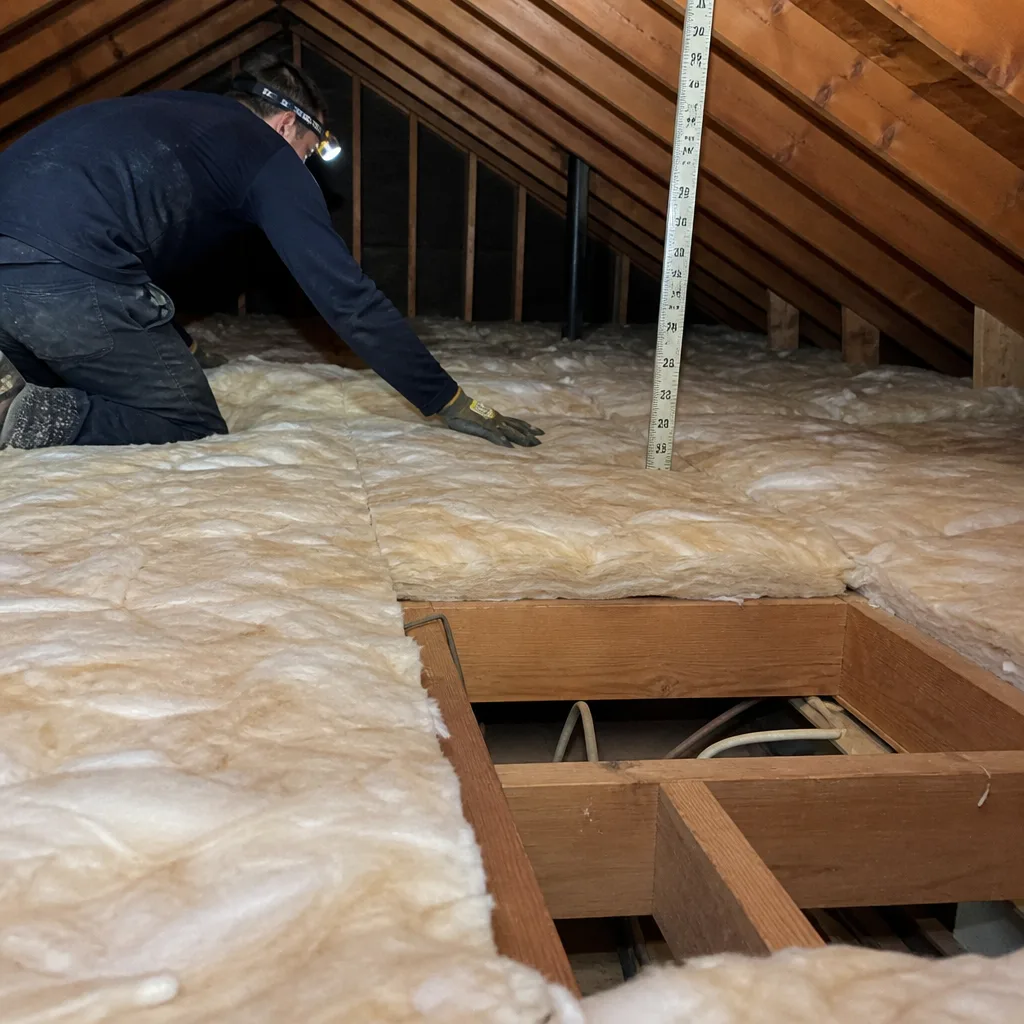
Attic insulation removal in Palos Verdes Estates is a job we do frequently because of what the fog does to poorly detailed assemblies. Fiberglass that has soaked up roof-deck condensation loses its loft, drops R-value, and becomes a damp sponge sitting against ceiling drywall. Older homes in Palos Verdes Estates, especially those built on the original bluff subdivisions in the 1950s and 1960s, often have original batts that have been compressed by framing, rodent activity, or decades of humid air cycling through. Full removal and disposal of existing attic insulation in Palos Verdes Estates typically runs $1.50 to $2.50 per square foot. If the insulation is wet, add $500 to $1,200 for drying equipment and inspection time. We use negative-air containment when mold is present, and we always inspect the deck and top plates before anything new goes in. Skipping the removal step when the material is saturated just buries the problem beneath new product.
When Removal Beats Topping Up
If your existing attic insulation is dry, intact, and within a decade of install, a top-up makes sense. If it’s wet, compressed, mouse-chewed, or sitting in a cavity that never got air-sealed, new insulation on top won’t perform. Palos Verdes Estates attics with original 1960s batts usually fall into the removal category.
Safe Disposal and Cavity Prep
We bag and remove old insulation, inspect the roof deck for moisture staining or early mold, then clean the cavity so the next material goes in against a sound substrate. This is the step that separates a real fix from a cover-up, and it’s the step that matters most in a coastal climate where trapped damp doesn’t dry on its own.
Trusted Brands We Service in Palos Verdes Estates
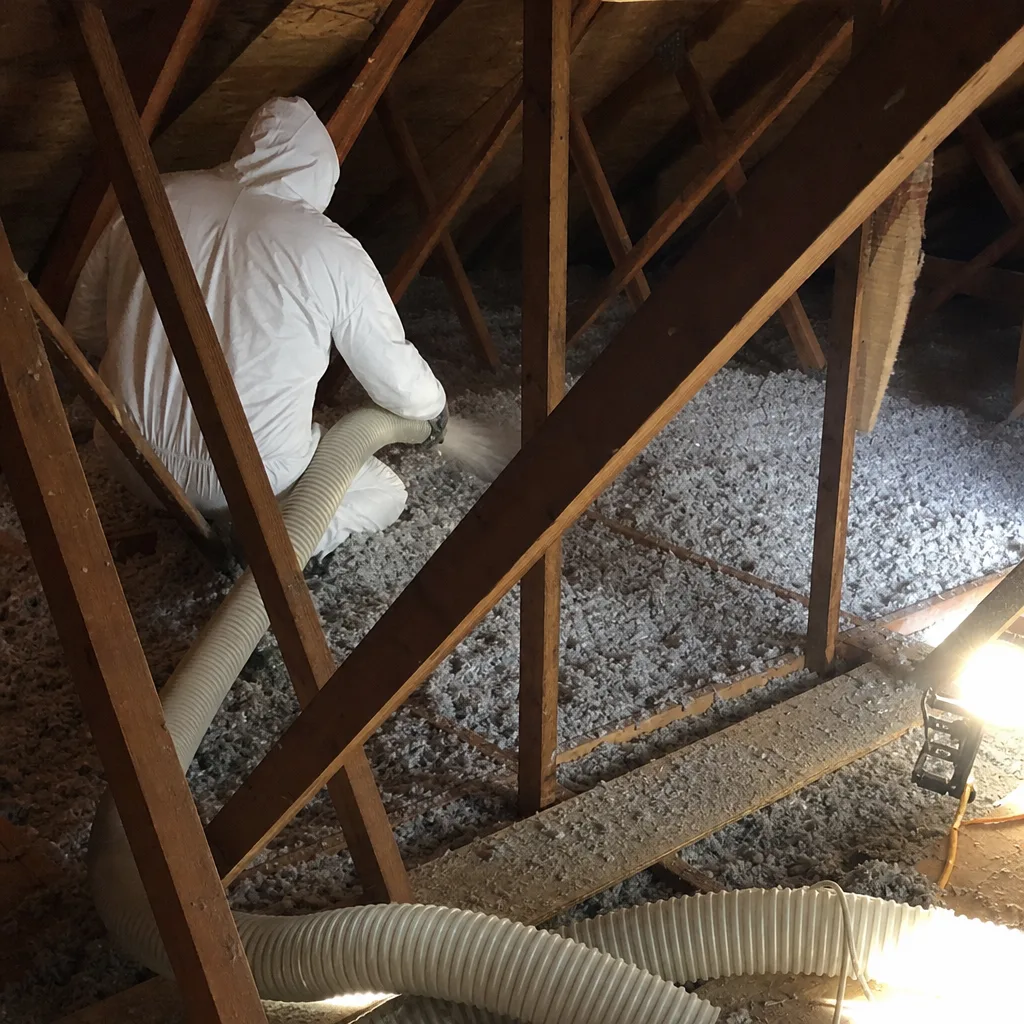
Placentia Insulation stocks and installs Owens Corning, Demilec, Icynene, GreenFiber, and Rockwool, among others, and we keep local inventory for the assemblies we see most in Palos Verdes Estates. That means no waiting on a supplier truck when a vaulted ceiling cavity in Valmonte needs Rockwool batts after a condensation repair, and no substituting whatever’s on the shelf for what the job actually calls for. We choose open-cell Icynene when we need an air seal in tight rafter bays, closed-cell Demilec when roof-deck moisture risk is high, and GreenFiber blown-in cellulose when you want a recycled-content option in an attic floor. The brand portfolio matters in Palos Verdes Estates because this is not a one-material town. Coastal moisture demands selection. We have it, and we know when to use each item.
Common Attic Insulation Problems We See in Palos Verdes Estates Homes
- Condensation saturation in vaulted ceiling cavities: Fog-belt moisture moves through gaps in older stucco and roof decks, then condenses on the underside of the sheathing and soaks whatever insulation sits below it. In Palos Verdes Estates, this shows up as a cold ceiling plane, damp drywall, or mold on rafters.
- Compression from legacy framing: 1950s and 1960s open framing and rafter bays in Palos Verdes Estates often pinch batt insulation, cutting its R-value and creating channels where humid air moves freely. We see this constantly in original bluff homes in Malaga Cove and Lunada Bay.
- No air-sealing at top plates and penetrations: Older Palos Verdes Estates homes rarely have modern air-sealing at top plates, can lights, and plumbing chases. Humid marine air bypasses the insulation and condenses on cool surfaces inside the assembly, which reads as an insulation failure but is really an air-leak failure.
- Recessed lighting gaps in remodeled ceilings: Mid-century homes on the hill that got ceiling updates often have unsealed can lights that let conditioned air escape and marine air enter. That one detail can drive consistent condensation in the rafter bays above.
Pricing for Attic Insulation in Palos Verdes Estates, CA
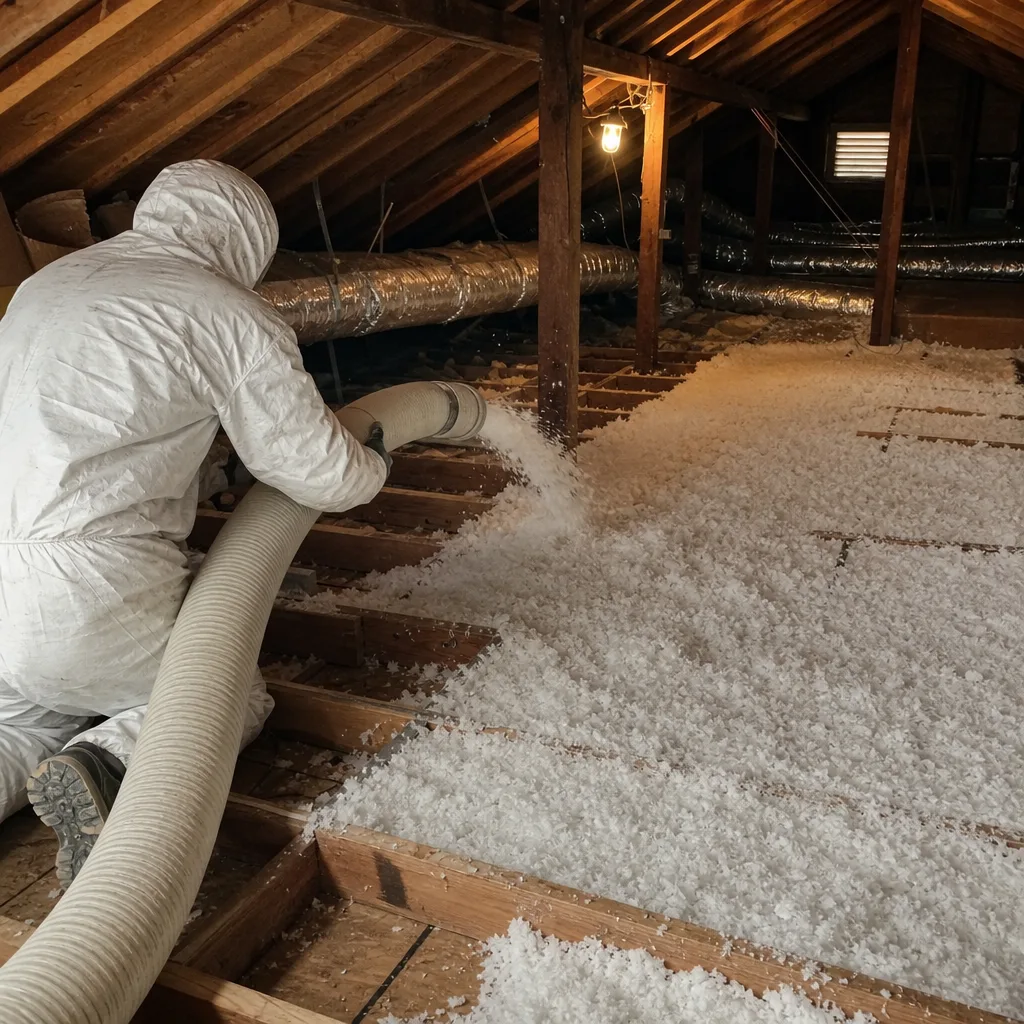
Attic insulation pricing in Palos Verdes Estates reflects the access, the assembly, and the condition of what’s already there. Blown-in cellulose over an attic floor typically runs $1.20 to $2.00 per square foot installed, depending on depth. Batt insulation in a vaulted or cathedral ceiling, which is common in Palos Verdes Estates, runs $2.50 to $4.50 per square foot because the cavity work is slower and often requires removing old material first. Attic insulation top-up on a dry, well-sealed attic is the cheapest route at $0.80 to $1.50 per square foot. Full removal of wet or mold-affected insulation adds $1.50 to $2.50 per square foot. A complete attic project in a 2,000-square-foot Palos Verdes Estates home usually lands between $3,200 and $8,500, with moisture remediation at the upper end. Rockwool and Demilec closed-cell run higher than fiberglass, for good reason. Call (855) 773-6429 for a free, itemized estimate with honest line items, not a lump sum built on guesswork.
We Also Serve Cities Near Palos Verdes Estates
Our crews work throughout the South Bay and the peninsula, so if you’re in Redondo Beach, Manhattan Beach, Rolling Hills Estates, or Hermosa Beach, the same moisture-first approach applies. Attic insulation in Palos Verdes Estates is our home base for the fog-belt assemblies we described here, but the climate doesn’t stop at the city line.
Serving Palos Verdes Estates, CA — Our Local Coverage Area
We’re based in the Palos Verdes Estates area and know this community well. Use the map below to see our service coverage — if you’re nearby, we can almost certainly help.
FAQs About Attic Insulation in Palos Verdes Estates
Because the marine layer drives humid air into roof assemblies for months each year, and when that air condenses on the cool underside of the roof deck it saturates insulation below. In Palos Verdes Estates, the failure mode is trapped damp in vaulted ceiling cavities, not heat degradation. The fix is a moisture-tolerant insulation like Rockwool paired with an air barrier that stops that humid air before it reaches the deck. Call us at (855) 773-6429 and we’ll trace the actual leak path in your attic.
We remove the wet insulation, inspect the roof deck and rafters for mold, allow the cavity to dry, then install Rockwool batts with a vapor-permeable air barrier so the assembly can dry toward the interior. That’s the sequence we used on a recent Lunada Bay job where the original 1960s fiberglass was soaked through from roof-deck condensation. No heat damage, just trapped damp. The fix took two days, and the living room chill was gone that week.
Not always. If the insulation is damp but the rafters are clean and dry to the touch, we can remove and replace the material without chemical treatment. If mold is visible on the wood or the insulation has been wet long enough to develop odor, mold removal is needed before anything new goes in. Palos Verdes Estates attics with chronic fog exposure almost always need at least treatment on the decking.
Yes, and it’s one of the most productive upgrades we do in Palos Verdes Estates. We air-seal top plates, can lights, and any penetrations before insulating, which changes the behavior of the entire assembly. Retrofit work in the 90274 area of Palos Verdes Estates usually means working around existing framing, not through it, and we handle those homes regularly.
Rockwool mineral wool is the strongest default for Palos Verdes Estates because it doesn’t hold moisture, doesn’t support mold, and maintains its loft in damp conditions. For air-sealing in tight rafter bays, open-cell Icynene works well. For windy roof decks with high moisture drive, Demilec closed-cell is the better chemistry. The answer depends on your specific assembly, which is why we carry eight brands instead of two.
Written by Alan Whitcomb, Owner at Placentia Insulation, serving Palos Verdes Estates and the South Bay peninsula.