
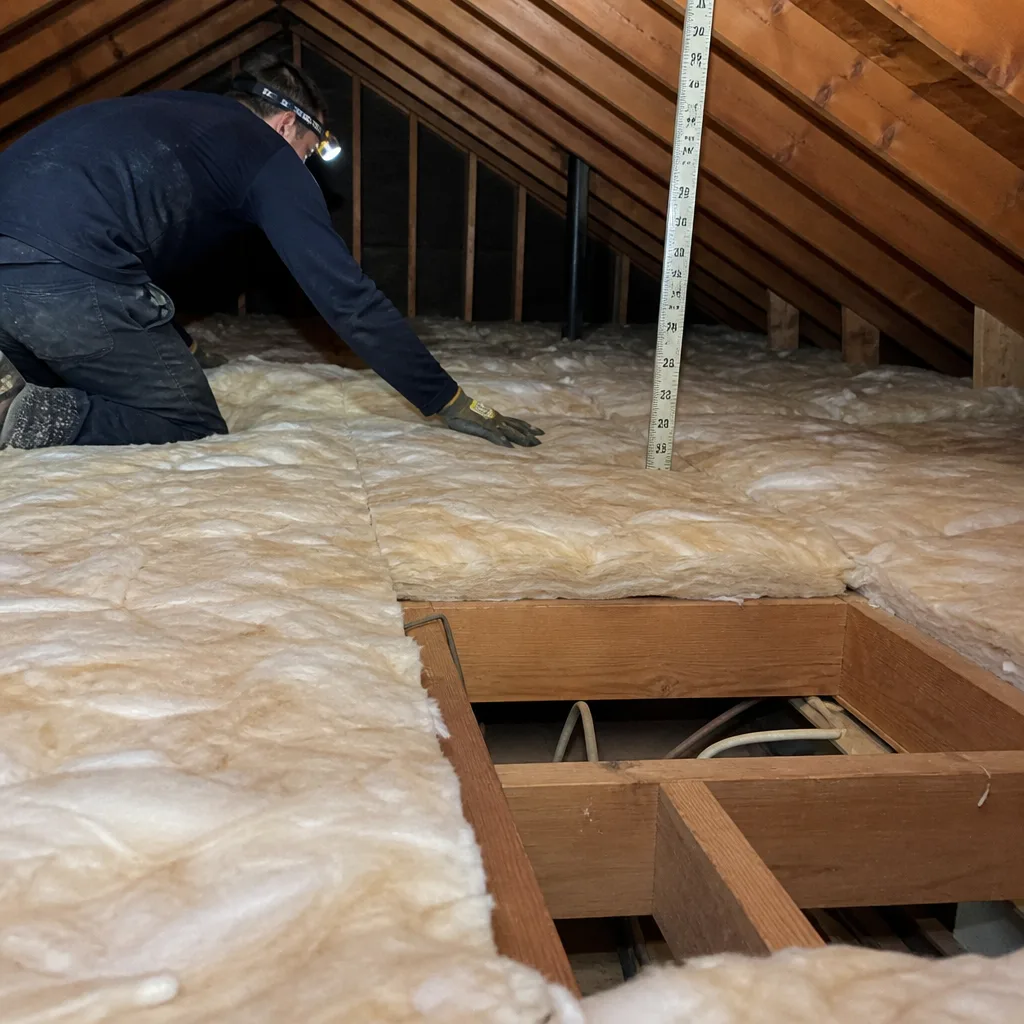
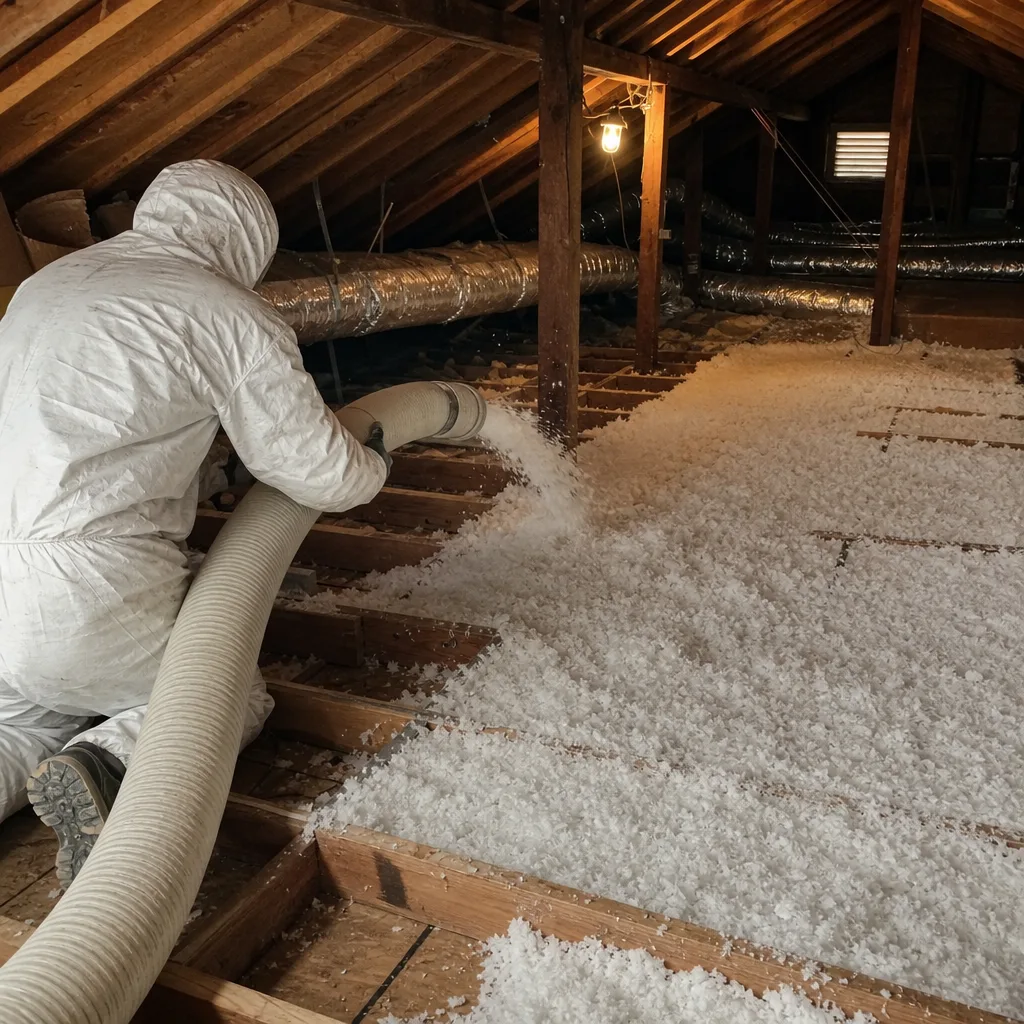
Fast, Reliable Attic Insulation Across Shadow Hills
Attic insulation in Shadow Hills typically runs $1,800 to $4,600 for a full replacement on a standard ranch home, with detached workshops and barns adding $800 to $2,200 per structure. Blown-in fiberglass or cellulose top-ups on existing attics cost less, usually $900 to $1,700. We get crews out to Shadow Hills within one to two business days on most jobs, and we do the work right the first time because we know these properties: custom 1940s-to-1970s ranch homes, open-beam ceilings, unvented attics, and detached buildings that never had proper insulation to begin with. Call (855) 773-6429 for a free estimate, and we’ll walk your property with you rather than quote over the phone.
Why Placentia Insulation Is Shadow Hills’s Preferred Attic Insulation Company
Shadow Hills homeowners call us because we stock eight insulation brands and actually choose the right one for each structure. Most contractors carry one or two product lines. We carry Owens Corning, Johns Manville, Knauf, Rockwool, CertainTeed, Icynene, Demilec, and GreenFiber. That matters on a Shadow Hills property where the house, the barn, and the detached workshop each have different insulation requirements. We match the material to the job, not the job to whatever we have on the truck.
Led by Alan Whitcomb, our crews are insulation specialists. We don’t do roofing on Monday and insulation on Tuesday. Every conversation we have with a Shadow Hills homeowner is about thermal performance, air sealing, and making a 70-year-old ranch house comfortable in July without running the AC nonstop. Local response time matters when your attic is hitting 150°F and your cooling bill doubled from last summer. We’re based in Placentia and serve Shadow Hills regularly enough to know the streets, the lot sizes, and the building quirks.
Attic Ventilation in Shadow Hills
Attic ventilation in Shadow Hills is not a nice-to-have; it’s the difference between an attic that bakes at 150°F all summer and one that stays close to outdoor temperature. Proper ventilation protects whatever insulation you install. Without it, superheated air just radiates down through the ceiling into living spaces, and your insulation gives you only part of the protection you paid for. On a typical 1950s ranch with an unvented attic, we install a system of intake vents at the eaves and exhaust vents at or near the ridge, sized to the attic’s square footage. A full attic ventilation package in Shadow Hills runs $600 to $1,400, installed, depending on the roof design and number of vents required.
Intake and Exhaust Pairing
The intake side matters as much as the exhaust side. If you put ridge vents on without adequate soffit intake, you pull conditioned air out of the living space. In Shadow Hills, a lot of old ranch homes have solid soffits or blocked eave areas. We clear the path and install continuous soffit vents where possible.
Unvented Attic Retrofit
Unvented attics in 1940s-to-1970s Shadow Hills homes trap heat and moisture. Converting to a vented attic typically involves adding gable-end vents or installing a solar-powered attic fan where ridge venting isn’t practical on a specific roof pitch. The goal is simple: get the attic air moving so the insulation works as designed.
Radiant Barrier in Shadow Hills
Radiant barrier in Shadow Hills is one of the most effective upgrades for the valley’s summer heat, especially on homes and outbuildings where the roof deck soaks up direct sun for twelve hours a day. A radiant barrier is a reflective material, usually foil-faced, installed on the underside of the roof rafters. It reflects radiant heat back toward the roof instead of letting it radiate down into the attic. We see attic temperature drops of 20°F to 30°F on Shadow Hills homes after a radiant barrier goes in. Expect to pay $1,200 to $2,800 for a standard ranch home, with detached garages and barns running $600 to $1,500 each depending on square footage and roof configuration.
Ranch Home Roof Design
Many Shadow Hills ranch homes have shallow-pitch roofs with limited attic access. Radiant barrier works particularly well here because it doesn’t add bulk. We staple it to the rafter bottoms, leaving the air gap that gives it its reflective performance.
Metal-Roofed Outbuildings
Metal-roofed barns and workshops in Shadow Hills turn into ovens by mid-morning. Radiant barrier under the metal roof sheeting or on the rafters cuts that absorbed heat significantly. Combined with roof vents at the ridge, it can keep an unconditioned workshop usable through the summer.
Trusted Brands We Service in Shadow Hills
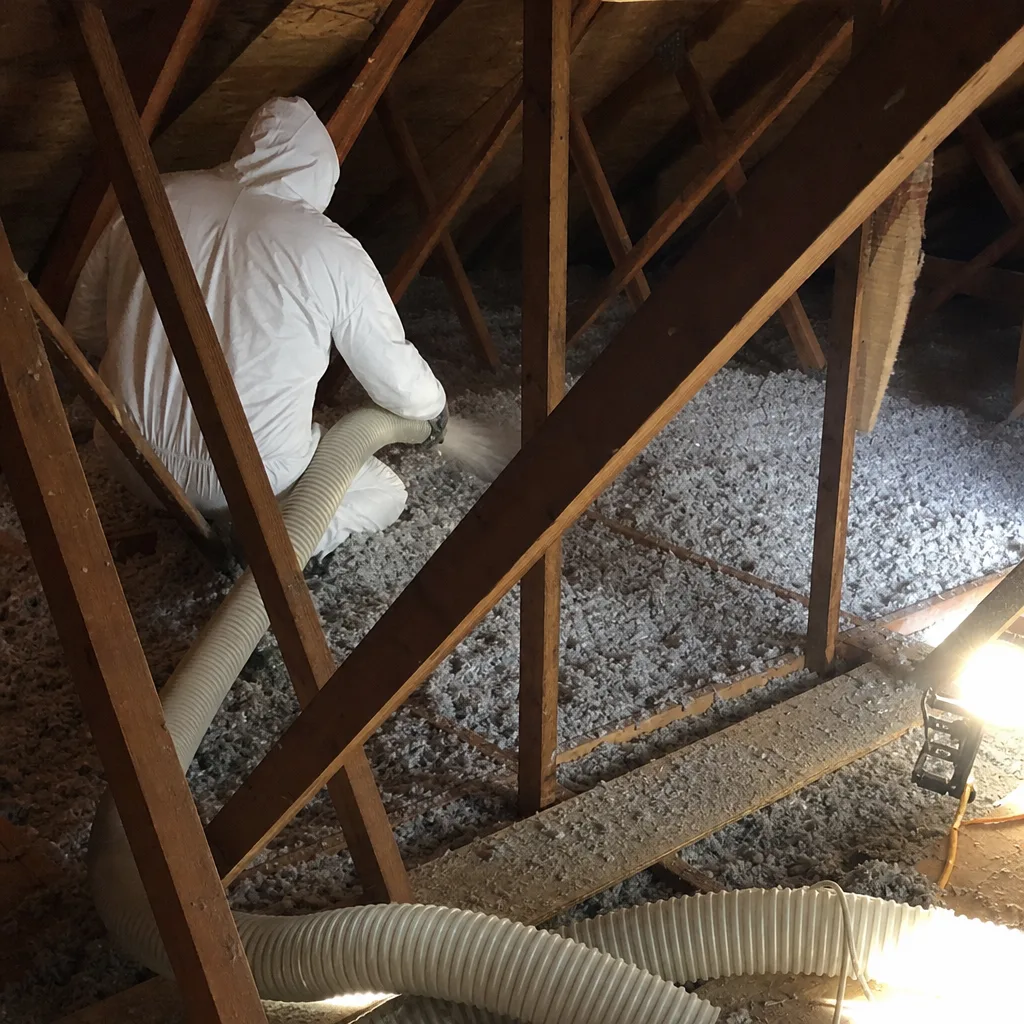
We install and service insulation systems from Icynene, Demilec, GreenFiber, and Owens Corning across Shadow Hills. Icynene open-cell spray foam handles tight, hard-to-reach attic cavities in older ranch additions. Demilec closed-cell covers moisture-prone areas and adds structural rigidity to aging roof decks. GreenFiber blown-in cellulose gives us a recycled-content option for top-ups and dense-pack applications. And Owens Corning fiberglass batts remain the workhorse for standard attic floors in 91040 homes. Because we stock these brands in active inventory, turnaround on Shadow Hills jobs is faster than waiting on a distributor order. No single-brand shop can offer that flexibility.
Common Attic Insulation Problems We See in Shadow Hills Homes
- Sagging batts in barns and tack rooms. The original fiberglass batts in many Shadow Hills equestrian buildings were never sized or secured for 100°F-plus summers. They sag, compress, and leave gaps where heat pours in. We replace them with fire-resistant Rockwool or dense-packed cellulose that holds its shape under valley heat.
- Unvented attics in 1940s-1970s ranches. These attics trap heat and humidity, breaking down insulation over time. We routinely open them up and install proper ventilation before adding new insulation.
- Patchwork additions that leak air. Many Shadow Hills homes have had rooms, baths, or garage conversions added over the decades without air sealing. Hot attic air infiltrates through unsealed framing and makes the whole house feel warmer. We air-seal before we insulate, every time.
- Fire-risk insulation in brush-adjacent lots. Shadow Hills sits against hillsides with dry brush and equestrian hay storage. Exposed fiberglass offers zero fire protection. Homeowners increasingly ask for Rockwool mineral wool, which is non-combustible and adds a meaningful safety margin near horse bedding and tack rooms.
Pricing for Attic Insulation in Shadow Hills, CA
Attic insulation pricing in Shadow Hills depends on what’s already in your attic and what you’re trying to fix. A top-up of blown-in fiberglass over existing batts on a 1,500-square-foot home runs $900 to $1,500. Full removal and replacement with R-38 fiberglass batts lands between $2,800 and $4,600. Detached workshops and barns add $800 to $2,200 per structure, depending on square footage and whether they need air sealing first. Radiant barrier adds $1,200 to $2,800 on the main house. We give free estimates, which means we come out, inspect what’s up there, and give you a written number. Call (855) 773-6429 to schedule yours.
We Also Serve Cities Near Shadow Hills
Beyond Shadow Hills itself, our crews handle Attic Insulation work across Sunland, Tujunga, La Crescenta-Montrose, and Burbank. If you own a rental property or second structure in any of these areas, the same material-matching approach applies. For full details on our service area and process, see our Attic Insulation in Shadow Hills hub page.
Serving Shadow Hills, CA — Our Local Coverage Area
We’re based in the Shadow Hills area and know this community well. Use the map below to see our service coverage — if you’re nearby, we can almost certainly help.
FAQs About Attic Insulation in Shadow Hills
Shadow Hills’ summer heat, with attics regularly exceeding 150°F, degrades older fiberglass batts faster than coastal locations experience. Fiberglass itself doesn’t break down, but the paper facing can dry out and the batts sag and compress, losing R-value. That’s why we recommend high-R-value material like Rockwool or dense-packed cellulose for Shadow Hills attics, paired with proper ventilation so the insulation isn’t fighting a losing battle against trapped heat. Give us a call at (855) 773-6429 and we’ll inspect what’s up there at no charge.
Yes, we insulate detached barns, tack rooms, workshops, and garages on Shadow Hills equestrian lots. These structures often have exposed fiberglass batts that sag under valley heat, so we typically replace them with fire-resistant Rockwool or closed-cell spray foam from Demilec. We also address ventilation in metal-roofed outbuildings and install radiant barrier where sun load is extreme. We handle the house and the outbuildings on the same visit.
The best approach for an unvented attic in a 1950s Shadow Hills ranch is a balanced system of soffit intake vents and ridge or gable exhaust vents. If the roof configuration won’t support ridge venting, we install solar-powered attic fans to actively pull hot air out. We size the ventilation to the attic’s square footage and address any blocked soffits first. Installation runs $600 to $1,400 on most ranch homes. Call (855) 773-6429 for a free assessment.
Radiant barrier is highly effective for metal-roofed outbuildings in Shadow Hills, reducing attic or interior temperatures by 20°F to 30°F during summer months. Metal roofs transfer heat fast, and a foil-faced radiant barrier reflects much of that radiant heat before it reaches the building’s interior. We install it on rafter bottoms with an air gap, which is required for the reflective surface to work properly.
Look for three signs in your Shadow Hills home: rooms that stay hot in summer despite AC, cooling bills that keep climbing year over year, and insulation that looks flattened, sagging, or barely covers the attic floor joists. If your home was built between the 1940s and 1970s and has never been reinsulated, it’s almost certainly under-insulated by today’s standards. Call (855) 773-6429 and we’ll give you an honest read on what’s up there.
Written by Alan Whitcomb, Owner at Placentia Insulation, serving Shadow Hills and the San Fernando Valley since our founding.