
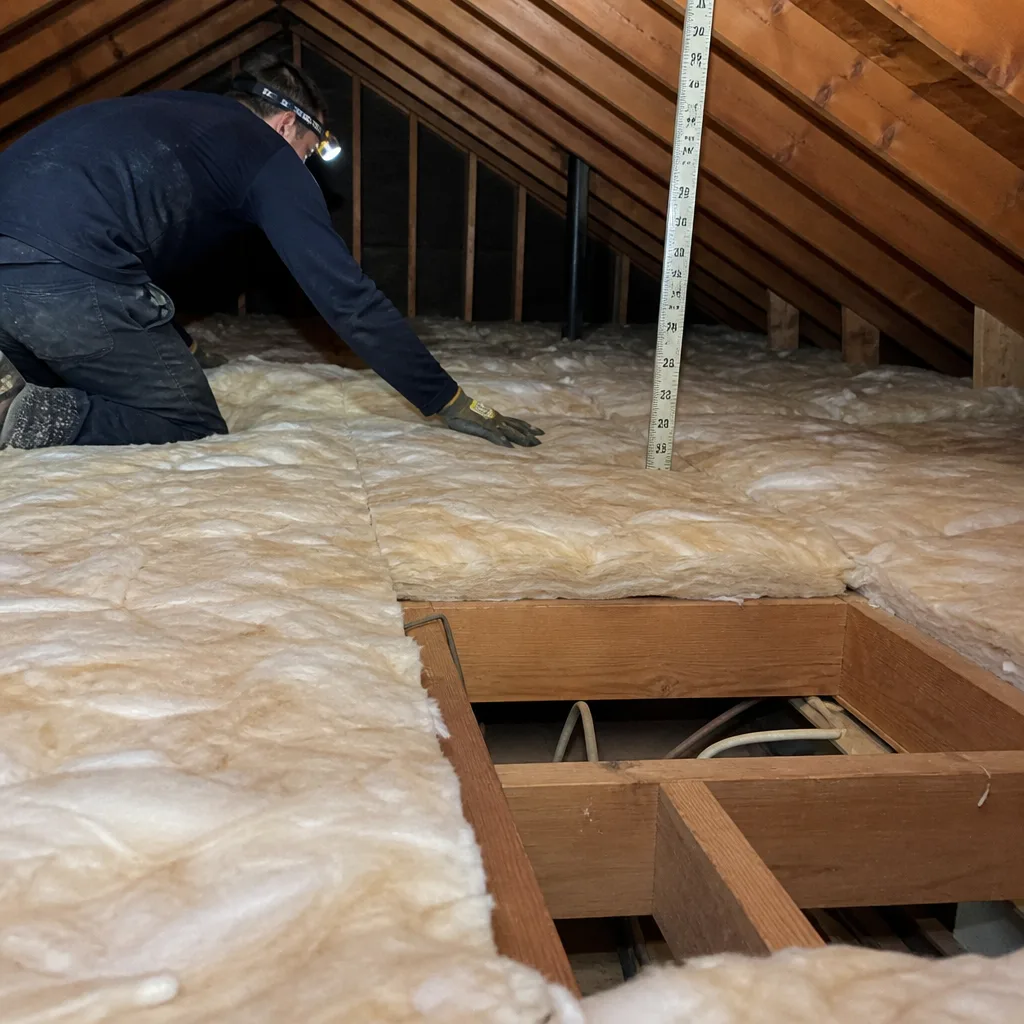
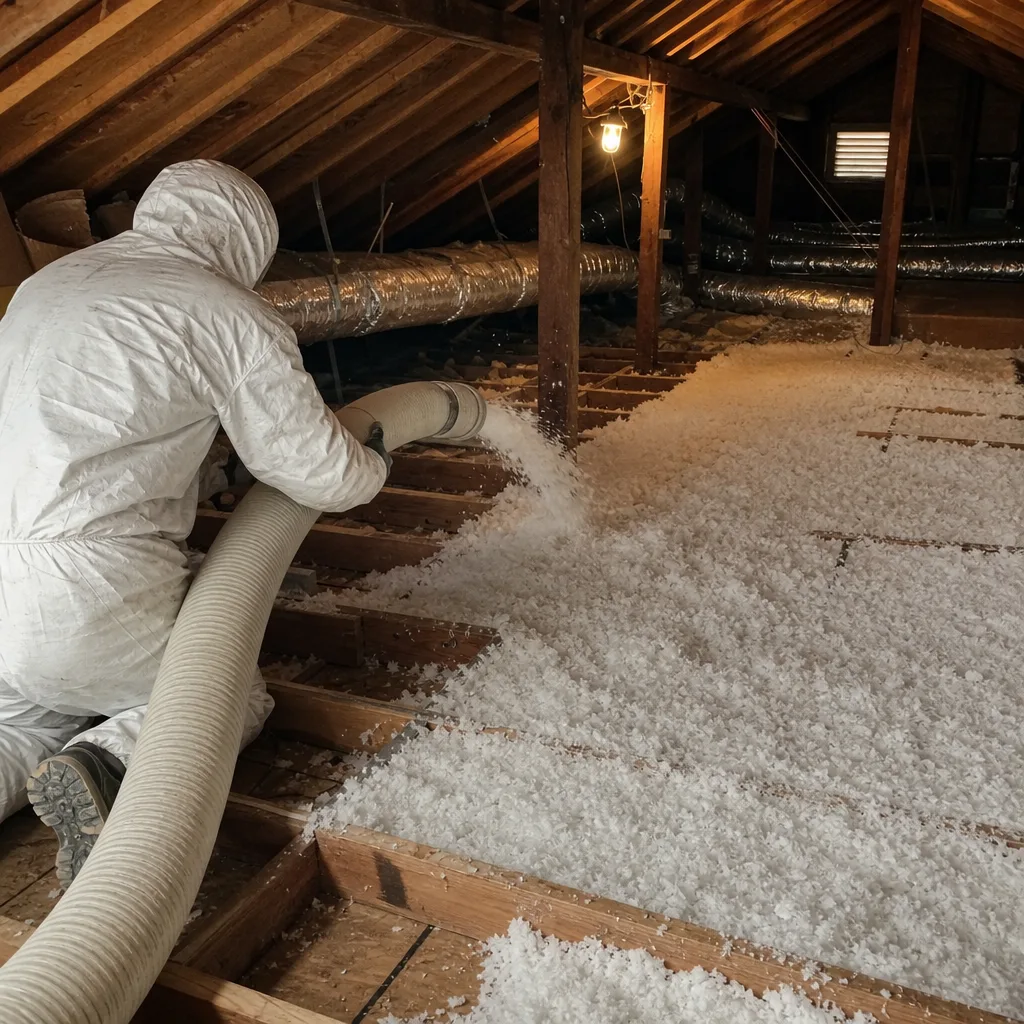
Fast, Reliable Attic Insulation Across Sierra Madre
Attic insulation in Sierra Madre typically costs between $1,800 and $4,200 for a full retrofit on a 1,200 to 1,800 square foot home, with blown-in fiberglass or cellulose running $1.50 to $2.80 per square foot and spray foam $3.00 to $5.50 per square foot. Most jobs finish in one day. We work across the 91024 and 91025 ZIP codes, and our crews know the foothill streets, the bungalow attics, and the ember-entry points that flatland contractors miss. Call (855) 773-6429 and we’ll give you a straight answer on what your attic actually needs.
Why Placentia Insulation Is Sierra Madre’s Preferred Attic Insulation Company
We’re an insulation-only contractor. That’s the whole story. Every crew member on a Sierra Madre job is there to do one thing: get the material, the method, and the fire-hardening details right in your attic. Alan Whitcomb built the company around a simple rule: match the material to the job, not the job to whatever’s on the truck. On a foothill street climbing toward Bailey Canyon, that might mean Rockwool mineral wool for fire resistance plus air-sealing at the top plates. Down on a flat bungalow lot near Baldwin Avenue, it might mean GreenFiber blown-in cellulose over old compressed fiberglass. Two different attics, two different answers.
We stock eight brands: Owens Corning, Johns Manville, Knauf, Rockwool, CertainTeed, Icynene, Demilec, and GreenFiber. Most insulation shops carry one or two lines and force every home into them. We don’t. Sierra Madre homeowners get what the house actually needs, whether that’s open-cell Icynene for tight rafter bays, Demilec closed-cell for a cathedral ceiling, or CertainTeed batts for a retrofitted attic floor. For Attic Insulation work, that breadth matters because this town’s housing stock is not uniform.
We’re not a generalist contractor squeezing insulation between HVAC and roofing jobs. Every conversation, every tool, every hour of training is about insulation. Alan’s crews have worked attics from the flat valley floor to the steepest streets near the Mount Wilson trailhead, and that local repetition means we know what lurks in a 1920s Craftsman attic before we open the hatch.
Radiant Barrier in Sierra Madre
Radiant Barrier in Sierra Madre is a foil-faced layer installed under the roofline or over existing attic insulation to reflect radiant heat before it soaks into the living space below. In a foothill town where July attic temps regularly pass 130°F and Santa Ana winds push hot, dry air through every gap, this is often the highest-ROI upgrade we recommend. A typical radiant barrier install for a 1,200 to 1,500 square foot home in Sierra Madre runs $900 to $1,700, depending on access and whether we’re stapling to rafters or laying over existing insulation.
Why Foothill Attics Need Radiant Heat Defense
Homes on the lower slopes and canyon-adjacent streets absorb direct sun all afternoon with no tall tree canopy. The roof deck bakes, the attic becomes an oven, and your air conditioner fights a losing battle. Radiant barrier cuts heat gain before it enters the attic, dropping summer attic temps by 15 to 30 degrees in Sierra Madre’s specific conditions. We’ve measured the difference with an infrared thermometer on July afternoons.
Combining Barrier with Insulation
A radiant barrier is not insulation. It doesn’t slow conductive heat transfer; it reflects radiant heat. For most Sierra Madre homes, the right move is both: air-seal the attic floor, add blown-in fiberglass or cellulose to R-38 or better, then install radiant barrier at the roofline. That’s how you get an attic that stays under 120°F in August instead of 140°F plus.
Attic Cleaning Services in Sierra Madre
Attic Cleaning Services in Sierra Madre matter more than in most towns because of what blows into these attics. On a steep street near Bailey Canyon, we opened an attic that vented straight at the brush-choked slope and found builder-grade gable vents packed with embers from a prior Santa Ana event. After sealing the ember entry points and air-sealing the top plates, we blew in Owens Corning fiberglass to bring the R-value up to modern code while keeping the assembly fire-resistant. The homeowner noticed the attic temp drop from 140°F to 118°F on a July afternoon. That’s the sequence: clean, seal, insulate.
A full attic cleaning in Sierra Madre runs $400 to $900 for a typical bungalow attic: debris removal, old insulation extraction if needed, sanitizing, and a full inspection of vents, baffles, and framing. That includes a WUI-aware check of every eave and gable vent facing the Angeles National Forest fuel bed. We don’t just vacuum and leave; we look for ember entry points, rodent damage, and compressed insulation under storage decks.
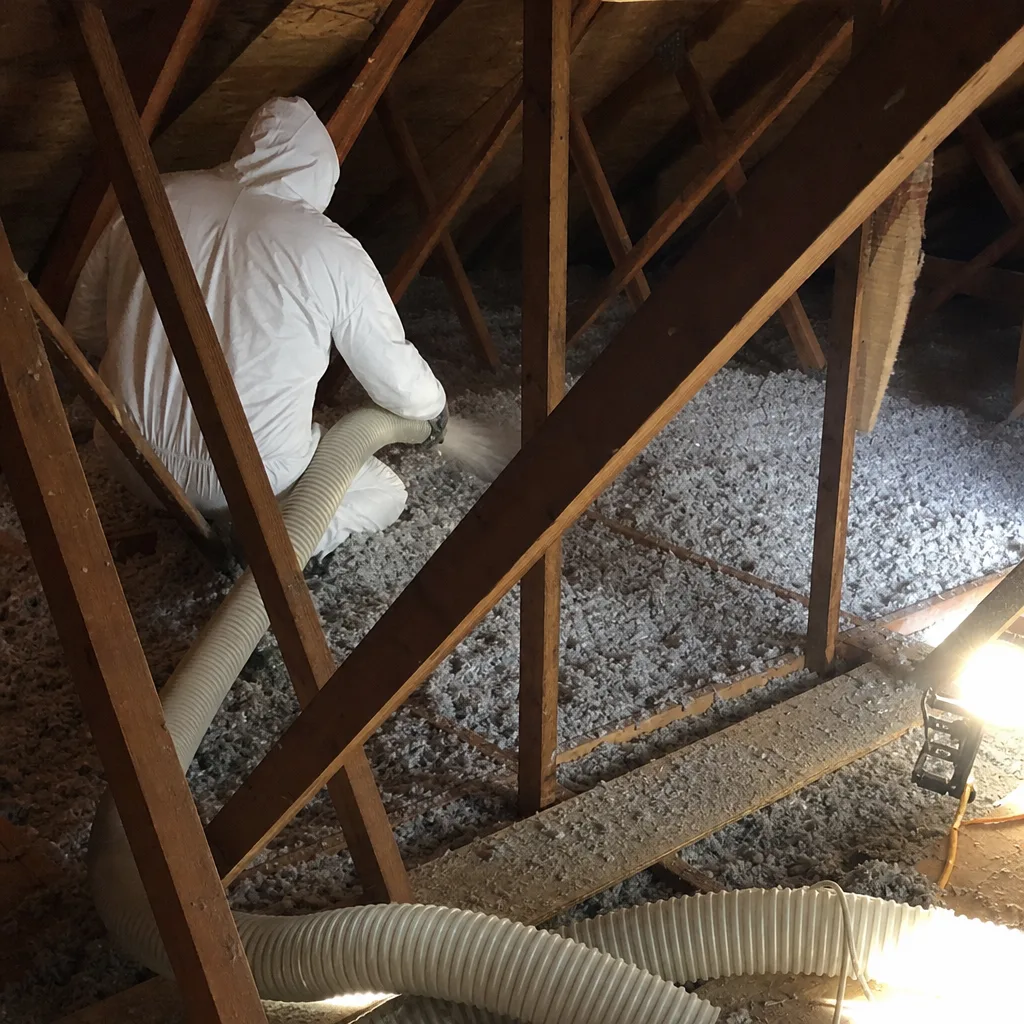
When Cleaning Must Precede Insulation
If your attic has old rodent nesting, blown-in dust, or insulation that’s been flattened by years of storage boxes, adding new insulation on top compounds the problem. You seal in the contamination and trap moisture. Clean first, then insulate. It’s not upsell; it’s the only correct order.
What happens when you call
- 1
A real person answersNo phone trees — you reach a local pro.
- 2
You get an upfront price rangeHonest numbers before anyone is dispatched.
- 3
A background-checked tech heads outLicensed & insured, dispatched right away.
- 4
You approve before work beginsNothing starts until you say go.
Common Attic Insulation Problems We See in Sierra Madre Homes
- Ember intrusion through unsealed eave and gable vents on foothill streets. Sierra Madre sits against the San Gabriel Mountains, and when the Santa Anas blow, embers travel. On streets climbing toward Mount Wilson and Bailey Canyon, we regularly find vents facing the wildland fuel bed with no ember screening. Insulation installed without a WUI-aware vent check is insulation that won’t matter if a wind-driven ember gets inside.
- Compressed fiberglass under plywood storage decks in older bungalows. Sierra Madre’s 1920s and 1930s Craftsman homes have small closets, so people put plywood in the attic for storage. Then the insulation underneath gets crushed to half its depth. R-30 batt compressed to three inches performs like R-11. We see this on nearly every older home we enter.
- Air bypass at top plates and recessed lights in knob-and-tube-era attics. Before the 1950s, nobody sealed the gap where wall framing meets the attic floor. Hot air, dust, and embers ride that gap like a chimney. Blowing in new insulation without sealing top plates and old can lights means the Santa Ana wind still moves through your insulation, around it, past it. The R-value on paper means nothing if air moves freely through the assembly.
- No insulation at all in original bungalow attics. A surprising number of Sierra Madre homes built before 1940 never got more than a thin dusting of whatever was cheap at the time. Some have nothing but old newspapers and a prayer. These attics run 130°F plus in summer and drop to the 40s on winter nights. The fix starts with air-sealing, then a full blown-in retrofit to bring R-value up to current Title 24 requirements.
Trusted Brands We Service in Sierra Madre
We carry and install eight brands, and for Sierra Madre homeowners that means your job doesn’t get defaulted to whatever’s on the truck this week. GreenFiber blown-in cellulose works well in older bungalows because it fills odd framing cavities and comes from recycled content, which fits this town’s conservation-minded character. Icynene open-cell spray foam suits tight rafter bays and cathedral ceilings that older homes often have over additions. Demilec closed-cell gives us a fire-resistant, moisture-stopping option for the most exposed foothill rooflines. CertainTeed batts and Owens Corning blown-in fiberglass round out the lineup for standard attic floors. We don’t push one brand. We pick the material that solves your specific problem.
Pricing for Attic Insulation in Sierra Madre, CA
Blown-in attic insulation to R-38 in a typical 1,200 to 1,500 square foot Sierra Madre home runs $1,800 to $3,200 including air-sealing. Radiant barrier runs $900 to $1,700 as a standalone install. Attic cleaning sits at $400 to $900. Full removal of old insulation and replacement runs $2,800 to $4,200 depending on attic size, access, and whether we’re dealing with old knob-and-tube wiring that slows the work. The biggest variables are the attic’s pitch (steep foothill lots mean steeper rooflines), the presence of storage decks that must be moved, and whether we’re doing ember-mitigation vent work alongside the insulation. We give free estimates, and Alan’s rule is that the number we quote is the number you pay. Call (855) 773-6429.
We Also Serve Cities Near Sierra Madre
Our crews work across the San Gabriel Valley foothills from Arcadia and East Pasadena through Mayflower Village and Monrovia. If you’re in a neighboring city and want the same WUI-aware approach to Attic Insulation in Sierra Madre, we’ll bring the same eight-brand library and the same ember-check habit to your attic.
Serving Sierra Madre, CA — Our Local Coverage Area
We’re based in the Sierra Madre area and know this community well. Use the map below to see our service coverage — if you’re nearby, we can almost certainly help.
FAQs About Attic Insulation in Sierra Madre
Because Sierra Madre sits directly against the Angeles National Forest wildland fuel bed, and during Santa Ana wind events, burning embers can travel a mile or more from the flame front. Attics on foothill streets climbing toward Mount Wilson and Bailey Canyon vent directly toward that fuel bed, and unsealed eave or gable vents are open doors for embers. We check every vent for proper screening and sealing before we add R-value. An insulated attic with open ember paths is a fire hazard with better thermal performance. Call (855) 773-6429 for a WUI-aware attic assessment.
Yes, but only if you pair it with air-sealing and, ideally, radiant barrier. Insulation slows heat transfer into the living space; it doesn’t stop the attic from getting hot. In Sierra Madre’s dry foothill climate, attic temps regularly exceed 130°F in summer because the roof deck bakes under direct sun. Radiant barrier at the roofline reflects that heat before it enters the attic, and air-sealing stops hot air from being pulled into the house. Together with blown-in insulation, we’ve measured attic temp drops of 15 to 30 degrees on July afternoons.
We can work around knob-and-tube, but we won’t cover it. Knob-and-tube wiring was designed to dissipate heat into open air, and burying it under insulation creates a fire risk. In older Sierra Madre bungalows where knob-and-tube is still active in the attic, we flag it, recommend an electrician inspect it, and plan the insulation around exposed runs. Often the right sequence is: electrician upgrades the wiring, then we air-seal and blow in insulation. We won’t compromise your safety to finish a job faster.
Radiant barrier is a foil-faced reflective layer installed to reduce radiant heat gain from the sun-baked roof deck. Attic cleaning is the removal of debris, old insulation, rodent contamination, and dust so the attic is a clean, safe space to work in and live under. In many Sierra Madre attics, we recommend both: clean out the old mess and inspect for ember entry and air gaps, then install insulation and radiant barrier on a clean substrate. The two services solve different problems and often go together.
Yes, in practical terms. Sierra Madre sits in a high fire hazard severity zone under the wildland-urban interface, and while insulation material choice isn’t directly dictated by a single rule, the overall fire performance of the attic assembly matters. Non-combustible mineral wool like Rockwool is a smart choice for homes with exposed eave vents facing the forest. Closed-cell Demilec spray foam can help seal ember paths. We also follow WUI best practices on vent screening and sealing as part of every insulation job here. The material selection is part of the fire-hardening picture, not separate from it.
Written by Alan Whitcomb, Owner at Placentia Insulation, serving Sierra Madre and the San Gabriel Valley foothills.