
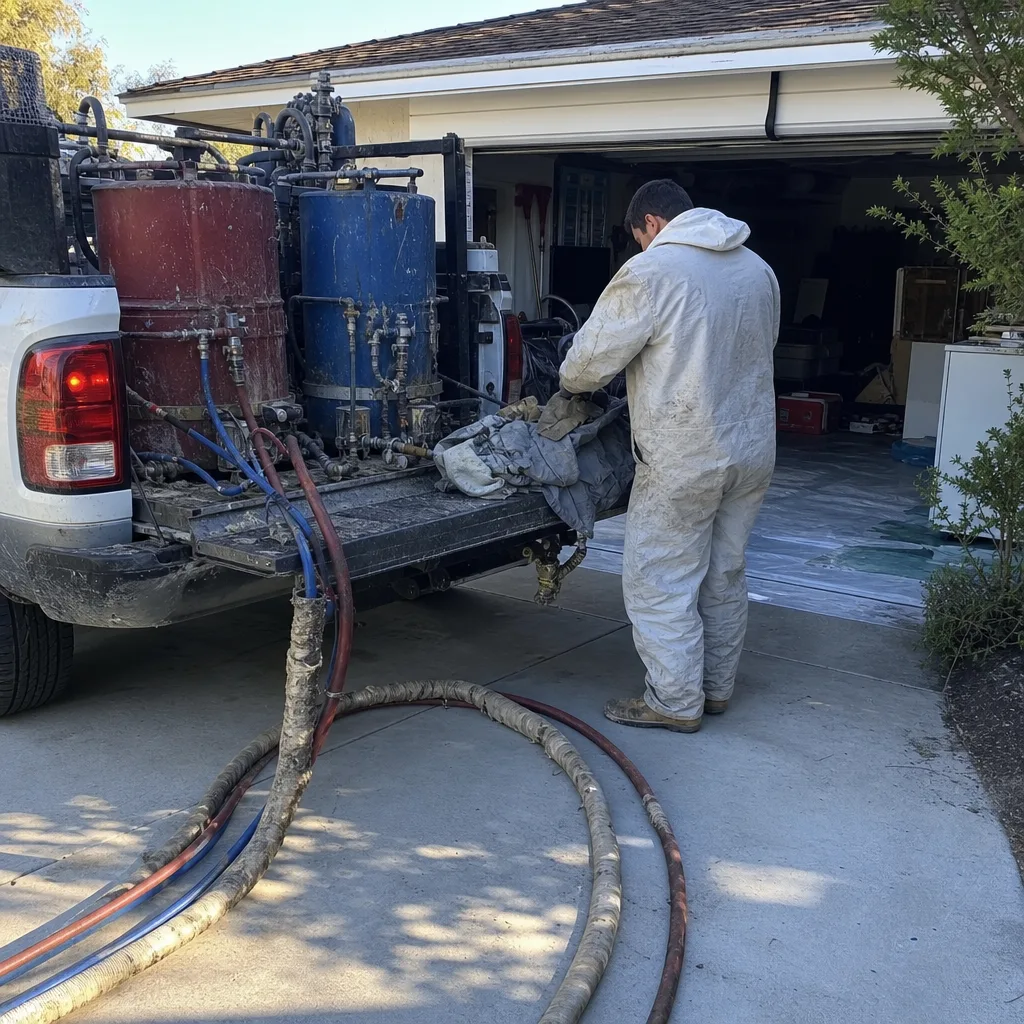
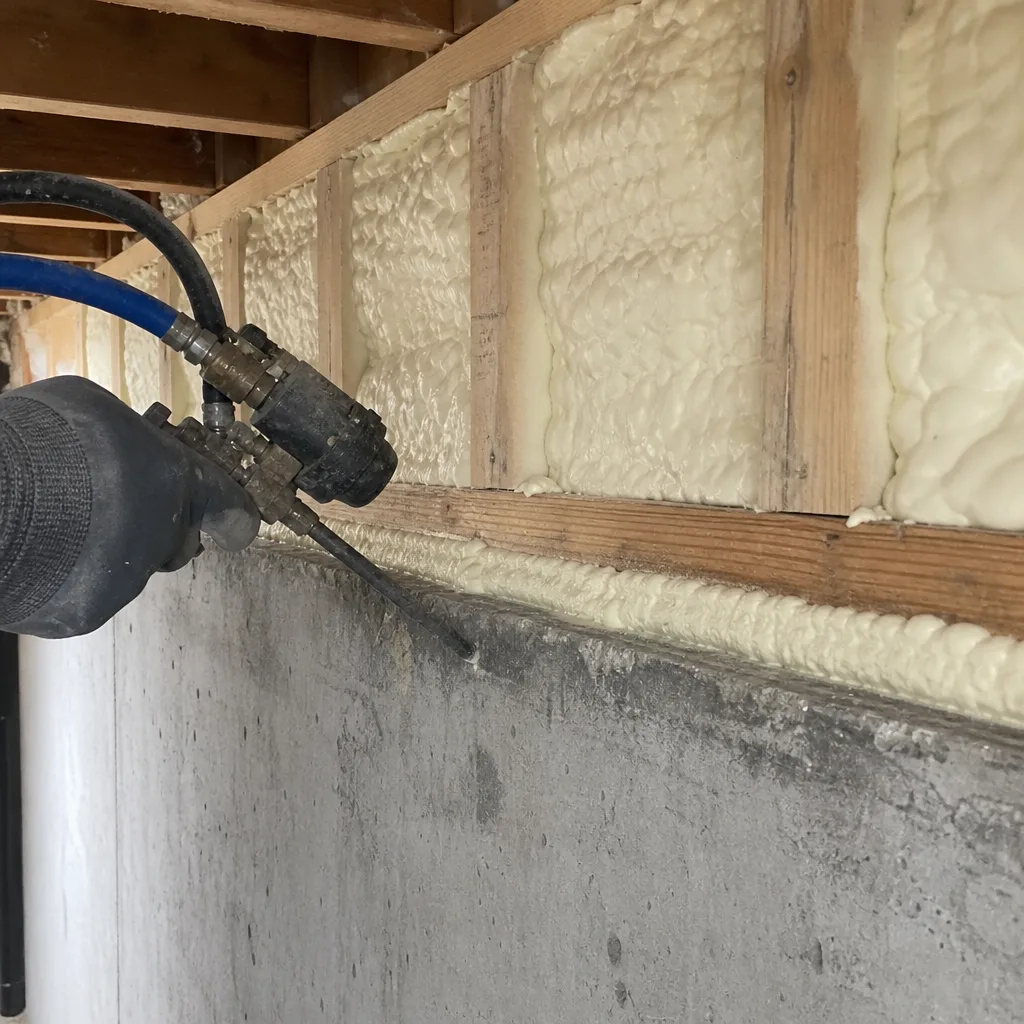
Fast, Reliable Spray Foam Insulation Across Monrovia
Spray foam insulation in Monrovia usually costs between $1,800 and $6,500 depending on whether we’re air-sealing a small rim joist area or spraying a full attic roof deck. Most jobs take one to two days, and we schedule Monrovia work within the same week you call. We know the difference between a 1920s bungalow off Myrtle and a 1970s tract home up near Norumbega, because that difference changes what gets sprayed and where.
Call (855) 773-6429 for a free estimate in Monrovia, 91016 and 91017.
Why Placentia Insulation Is Monrovia’s Preferred Spray Foam Insulation Company
Most insulation contractors carry one or two product lines. We carry eight, so Monrovia homes get what they actually need, not whatever the truck is stocked with. For spray foam specifically, that means both Icynene and Demilec are on the menu, in open-cell and closed-cell chemistries. The right foam for a canyon-edge home above Grand Avenue is not automatically the right foam for a stucco bungalow near Library Park. We match the material to the job.
Every crew member on a Monrovia job is an insulation specialist. Not a plumber picking up a spray rig between jobs. Alan Whitcomb runs our crews with a single focus: thermal performance, air sealing, and moisture control done correctly. That’s why we spend time before any spray on what’s already in the cavity, what the venting looks like, and what the home’s location demands.
Our familiarity with Monrovia’s housing stock matters. We’ve worked in attics with knob-and-tube wiring still in place, shallow rafter bays that can’t take batts, and wall cavities that were never insulated when the house went up in 1935. We plan around those realities instead of discovering them halfway through a job.
Garage Spray Foam Insulation in Monrovia
Garage spray foam insulation in Monrovia tackles the single most common thermal complaint we hear from homeowners along Foothill Boulevard and the streets branching off Huntington Drive: a garage that bakes all afternoon and radiates heat into the rooms above or beside it. We spray the garage ceiling and the shared wall between garage and living space with closed-cell foam, creating an air and thermal barrier that batts simply cannot match in a Monrovia summer. A typical attached garage ceiling in the Monrovia flatlands runs $1,400 to $3,200 depending on square footage and whether the ceiling is finished drywall or open joists. Detached garages with exposed rafters run lower, usually $900 to $2,200.
Open Joist Ceilings in Older Monrovia Garages
Many pre-1960 Monrovia garages have open joist ceilings with no drywall. Spray foam applied directly to the underside of the roof deck or between the joists closes the gaps that let hot air pour in. This is the fastest job we do, often completed in one morning.
Shared Wall and Band Joist Sealing
When a garage shares a wall with a bedroom or family room, the rim joist and wall cavity are the weak points. Closed-cell foam against the shared wall assembly stops both heat transfer and exhaust fume intrusion. We do this constantly in the newer foothill tract homes where garages sit under living space.
Closed Cell Spray Foam Insulation in Monrovia
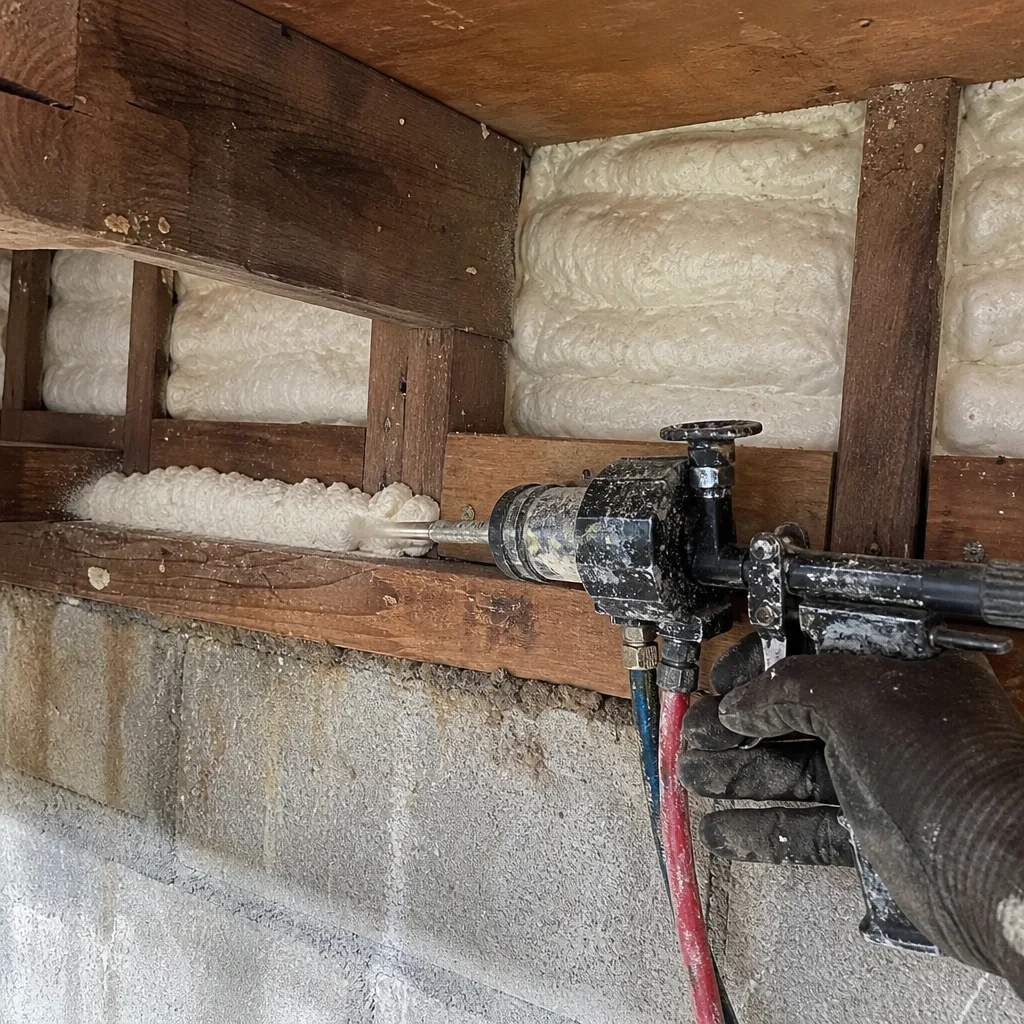
Closed cell spray foam insulation in Monrovia is the workhorse for the older homes that dominate the neighborhoods around Old Town and the streets south of Colorado Boulevard. Closed-cell foam cures rigid, adds structural strength, and stops both air and vapor movement, which matters when you’re dealing with 2×4 rafter bays and original wall cavities that have collected 90 years of dust and moisture. Expect to pay $2,800 to $6,500 for a full attic roof deck spray on a typical Monrovia bungalow, with wall cavity retrofits adding $1,500 to $3,000 depending on cavity count.
Why Closed Cell Wins in Shallow Rafter Bays
Monrovia’s pre-1950s homes near Old Town were framed with shallow 2×4 or 2×6 rafter bays. Open-cell foam needs depth to hit code R-values. Closed-cell delivers R-7 per inch, so a 2×6 bay sprayed full gets you past R-21 without having to fur out the rafters. That’s why closed-cell is the default recommendation for these older roofs.
Air Sealing the Knob-and-Tube Era Penetrations
Before we spray any older Monrovia attic, we flag the penetrations. Knob-and-tube wiring, old ceiling light boxes, and unsealed plumbing chases all need to be addressed so the foam isn’t locking in a problem. We don’t spray over live legacy wiring without routing it out first. That conversation happens on site, before any foam leaves the gun.
Trusted Brands We Service in Monrovia
We install Icynene and Demilec spray foam across Monrovia, in both open-cell and closed-cell formulations. For homeowners where fire resistance is the priority, especially on the northern foothill edges near the canyon mouths, we bring Rockwool mineral wool into the conversation as an alternative or complement to foam. For blown-in attic work on flatland homes where spray foam isn’t the right fit, GreenFiber cellulose is available. Having all of these in active inventory means a Monrovia homeowner gets a recommendation based on what the house needs, not what a single-brand shop happens to stock. Material is staged before the crew arrives, so there’s no second trip back to Placentia.
Common Spray Foam Insulation Problems We See in Monrovia Homes
- Uninsulated original wall cavities in Old Town bungalows: Homes built in the 1920s and 1930s around Old Town frequently have empty wall cavities. Owners notice it as rooms that never hold temperature. Spray foam retrofitted into those cavities is a job we do carefully, accounting for old plaster dust and moisture before injection.
- Attic heat soak below Grand Avenue: The flat valley portion of Monrovia gets hammered by August sun. Attics without air sealing and proper insulation regularly hit 140°F, and that heat bleeds down into second-story bedrooms all evening. Closed-cell on the roof deck changes that dynamic.
- Wind-driven cold above Grand Avenue: Foothill properties sit in a different thermal zone. Winter nights bring canyon winds that find every unsealed gap. The same ZIP code demands a completely different retrofit strategy just a few blocks up the hill.
- Brushfire exposure on canyon-edge lots: Homes along the northern foothill edges need fire-conscious venting and insulation choices. Sealing a roof deck with foam without considering eave and gable venting can create problems during fire season. We plan for this from the first walkthrough.
Pricing for Spray Foam Insulation in Monrovia, CA
Here’s what Monrovia homeowners should expect to budget. Open-cell attic roof deck spray on a typical 1,200 to 1,800 square foot home runs $2,200 to $4,800. Closed-cell on the same roof deck runs $3,800 to $6,500. Rim joist sealing around a basement or crawl space perimeter is $900 to $1,800. Garage ceiling jobs run $1,400 to $3,200 as covered above. The size of the roof deck, the depth of the rafter bays, and whether we’re dealing with knob-and-tube wiring that needs re-routing all move the number. Estimates are free and given in writing before any work starts. Call (855) 773-6429 and we’ll walk the property, check the attic, and give you a fixed number.
Serving Monrovia, CA — Our Local Coverage Area
We’re based in the Monrovia area and know this community well. Use the map below to see our service coverage — if you’re nearby, we can almost certainly help.
Frequently Asked Questions About Spray Foam Insulation in Monrovia
Your bungalow’s shallow 2×4 rafter bays can’t hold enough open-cell foam to hit code R-value, so closed-cell is the practical answer. Closed-cell delivers R-7 per inch and adds structural rigidity to an older roof assembly. Plus, homes below Grand Avenue carry a serious cooling load all summer, and closed-cell handles that heat better than any batt or open-cell at the same depth. Call (855) 773-6429 and we’ll confirm in a free attic inspection.
Yes. Foothill homes above roughly Grand Avenue experience more winter chill, canyon wind, and brushfire exposure than the valley floor. We often shift recommendations toward closed-cell for air sealing against wind-driven infiltration, and we’re more careful about venting choices and fire-resistant complements like Rockwool. The elevation change within Monrovia is real, and it changes the scope.
Yes, but we’ll plan the venting first. A garage ceiling or roof deck in a fire-exposed zone should not be sealed tight without considering eave and gable venting, because a sealed assembly changes how ember and heat behave. We spray the cavity and then make the venting call based on the specific canyon exposure. This is a conversation we’ve had on every northern-edge Monrovia job we’ve done.
The foam traps heat against the legacy conductors, which is a fire risk. On Monrovia homes built before 1950, we identify knob-and-tube wiring during the estimate and either re-route the circuit or leave those penetrations unsprayed until an electrician addresses them. We don’t spray over live legacy wiring. That’s a hard rule.
It can, if the installer seals the roof deck without accounting for the home’s existing ventilation design. On older Monrovia bungalows we typically move to an unvented attic assembly when the roof deck is sprayed, which means the attic becomes conditioned space. That’s the right call most of the time below Grand Avenue. On foothill homes, we evaluate venting differently. We’ll explain what your specific roof needs before spraying.
Written by Alan Whitcomb, Owner at Placentia Insulation, serving Monrovia and the San Gabriel Valley foothills.