
Fast, Reliable Spray Foam Insulation Across Redondo Beach
Spray foam insulation in Redondo Beach is less about chasing a higher R-value and more about controlling moisture in a marine-layer climate that keeps attics damp for weeks at a time. Homeowners across 90277 and 90278 call us when their energy bills creep up in summer or, more often here, when they notice that musty smell in the attic or condensation staining on the ceiling. Our service area covers the entire Redondo Beach coastline and inland flats, from the beach bungalows east of PCH up to the newer condos along Artesia Boulevard, and we also offer Reflectix service in Redondo Beach for homes that need reflective insulation solutions. If you’re dealing with a fog-dampened attic or sweat on the underside of your roof sheathing, call (855) 773-6429 and we’ll send a Redondo Beach insulation crew out to look.
Key takeaways:
- Spray foam in Redondo Beach must prioritize moisture management and air sealing over extreme thermal performance, due to the marine layer’s persistent humidity.
- Older 1950s – 60s homes in 90277 and 90278 commonly lack vapor barriers, making condensation on roof sheathing a frequent problem that foam alone won’t solve.
- We carry both open-cell (Icynene) and closed-cell (Demilec) chemistries, so we match the foam to the specific application, not the other way around.
Why Placentia Insulation Is Redondo Beach’s Preferred Spray Foam Insulation Company
Placentia Insulation is a dedicated insulation contractor, not a generalist who schedules a spray foam job between plumbing calls. Every crew member, every tool, and every conversation on your job is about insulation. Alan Whitcomb, who leads our team, built the company around the idea that a home gets the right result only when the contractor carries enough product lines to choose from, not just whatever the distributor had on sale that month. That’s why our material library spans eight brands, including the two spray foam systems that matter in coastal climates: Icynene for open-cell applications and Demilec for closed-cell where moisture resistance is the priority.
Redondo Beach homeowners respond to that approach because this city’s housing stock is specific. Mid-century beach bungalows off Prospect Avenue and Avenue I have framed walls and vented attics that behave differently than the newer townhomes around the Redondo Beach Pier. We’ve worked in both. When a homeowner in the Golden Hills neighborhood tells us the attic smells like a wet basement every morning, we know before we pull the ladder down what we’re likely to find: no vapor barrier, settled fiberglass, and sheathing that sweats during coastal fog. That local pattern, repeated across hundreds of Redondo Beach attics, is experience you can’t fake.
Spray Foam Insulation Contractors in Redondo Beach
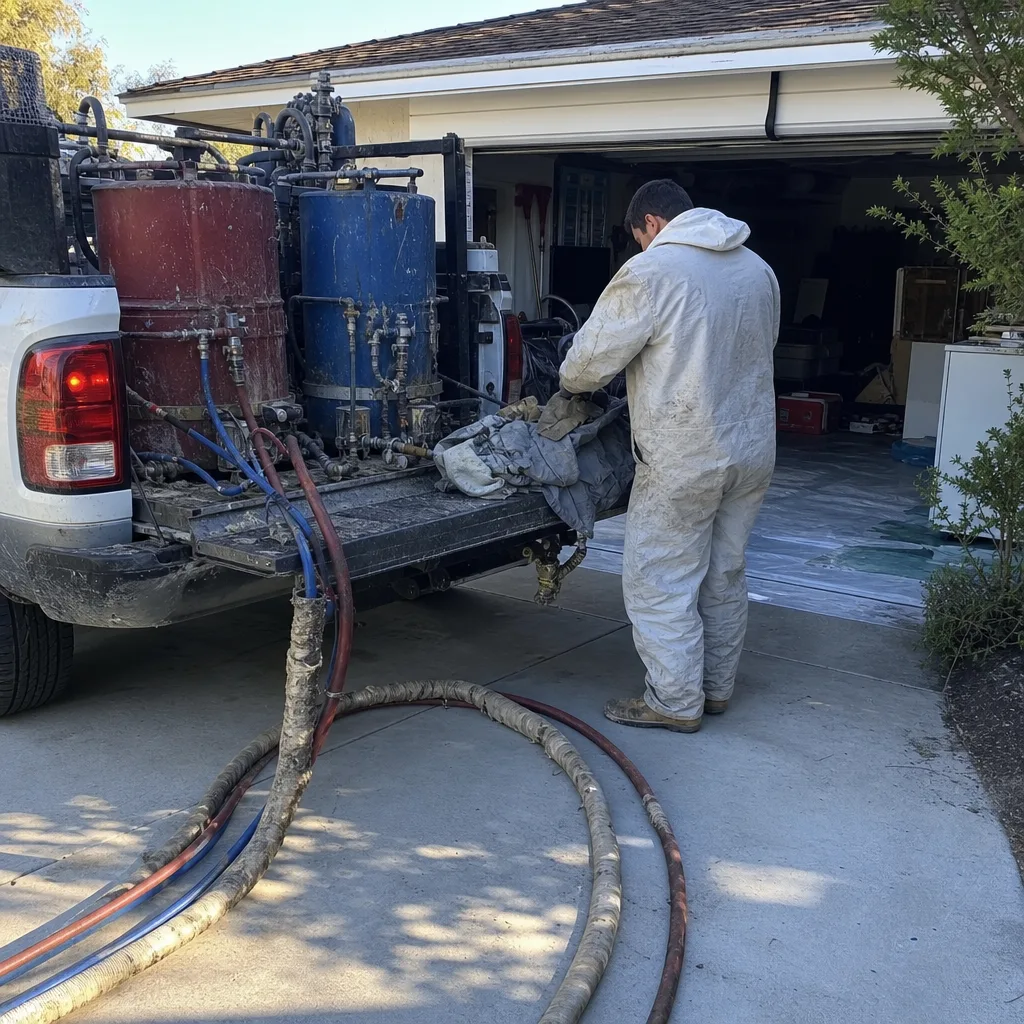
Spray foam insulation contractors in Redondo Beach have to understand something that inland installers rarely deal with: foam chemistry behaves differently when the substrate is damp and the ambient air carries salt and fog moisture. We’re the team that handles Spray Foam Insulation for homeowners across Redondo Beach who want the air-sealing benefits of foam without creating a moisture trap inside their walls or roofline. A typical open-cell spray foam job in a Redondo Beach attic runs $1.60 to $2.80 per board foot installed, while closed-cell runs $2.20 to $3.60 per board foot, depending on depth and access. That’s the honest range for this market.
Open-Cell for Interior Cavities
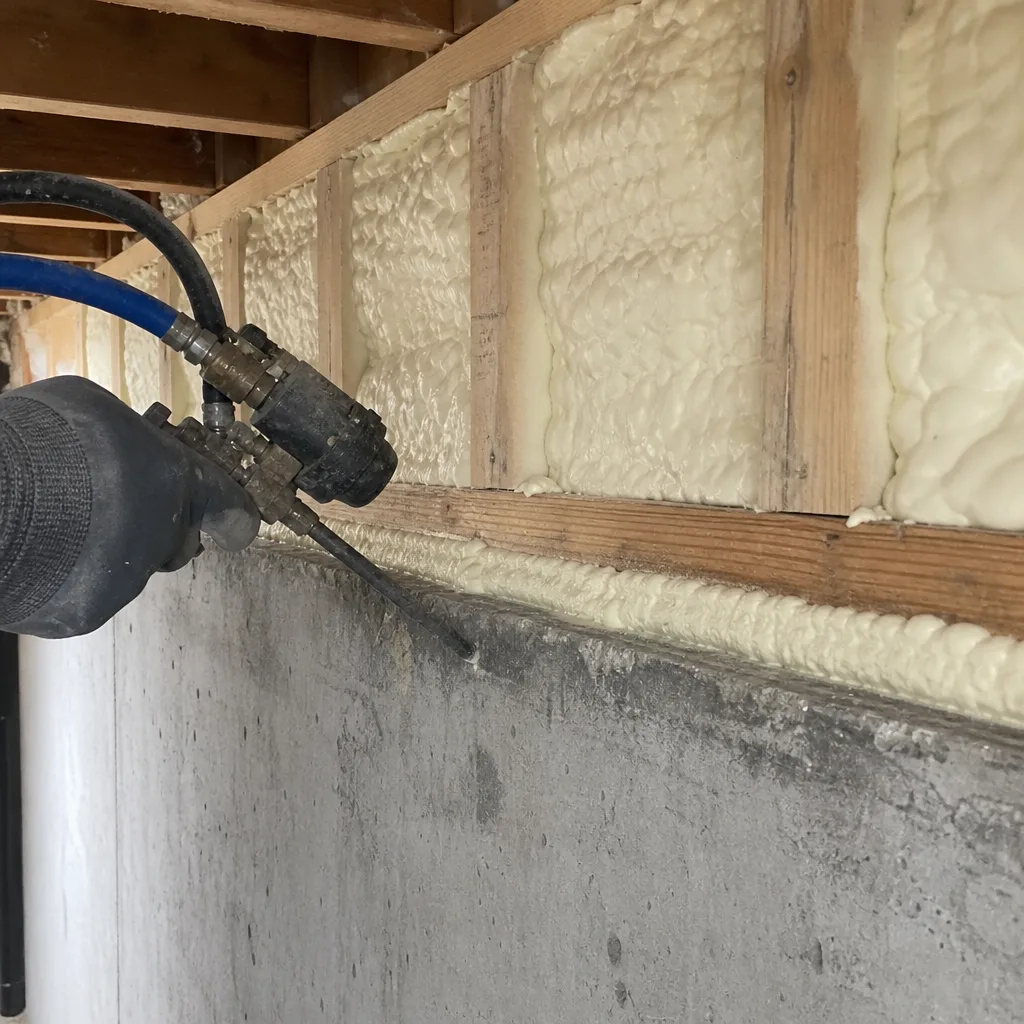
Open-cell Icynene foam expands to roughly 100 times its liquid volume, so it fills irregular stud bays and awkward rim joist areas in older Redondo Beach homes without leaving gaps. It’s vapor-permeable, which matters in wall cavities where trapped moisture could otherwise migrate into drywall. For sound dampening along busy corridors like Aviation Boulevard or PCH-adjacent properties, open-cell also cuts street noise noticeably.
Closed-Cell for Coastal Moisture Resistance
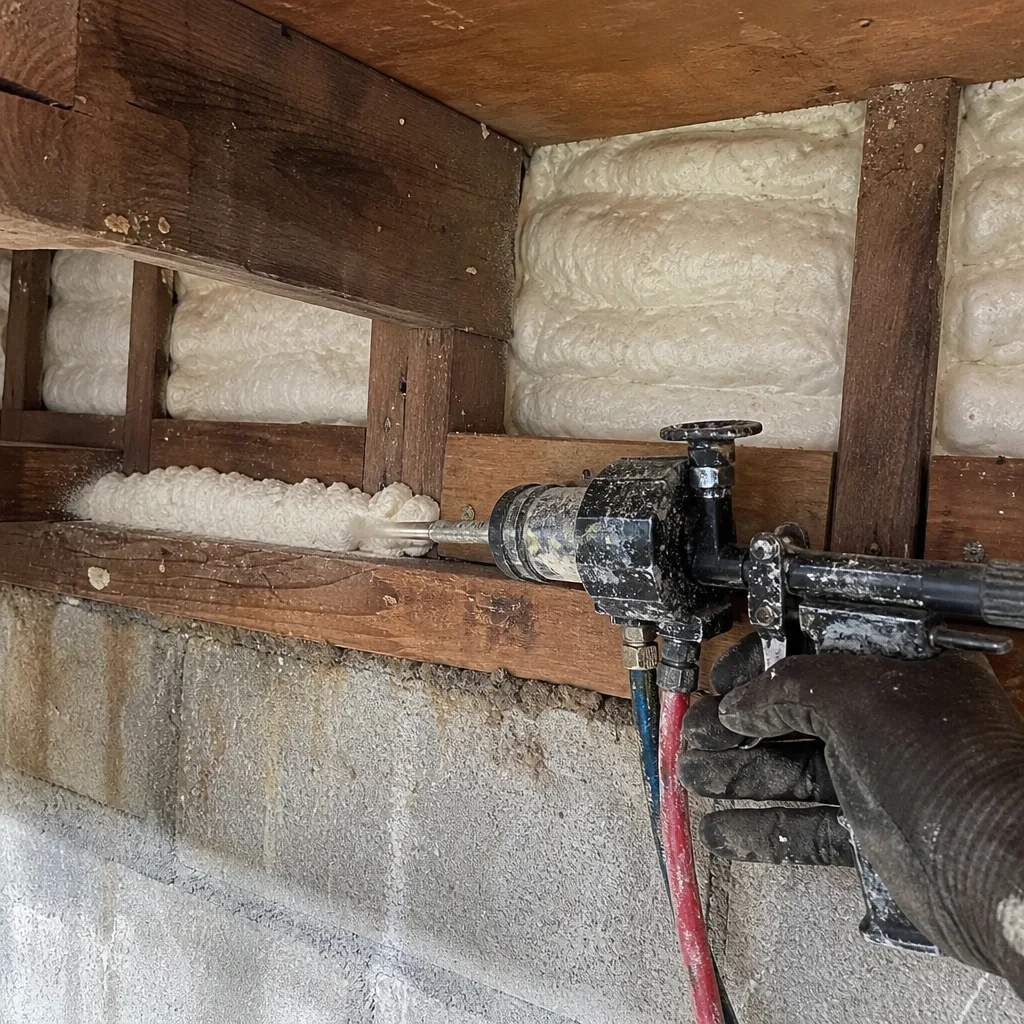
Demilec closed-cell foam cures rigid and acts as a vapor barrier at about two inches of depth. In Redondo Beach crawlspaces and rim joists where ocean-adjacent humidity pushes damp air upward, closed-cell is often the correct choice. It adds structural rigidity to older framing, which mid-century bungalows near the Esplanade sometimes need after decades of salt air exposure.
Spray Foam Attic Insulation in Redondo Beach
Spray foam attic insulation in Redondo Beach homes solves a problem that fiberglass batts cannot: air exchange between the conditioned living space and the vented attic. But in this climate, the installation sequence matters as much as the foam itself. A typical spray foam attic insulation job in Redondo Beach runs $3,800 to $7,500 for a 1,000 to 1,500 square foot attic, depending on whether you’re sealing the attic floor or insulating the roofline. Roofline applications, where the foam is applied to the underside of the sheathing, cost more per square foot but turn the attic into a semi-conditioned space.
Marine-Layer Moisture Control
Here’s what we see in Redondo Beach that you won’t hear from an inland installer. The marine layer rolls in most nights from spring through early fall. Attics cool and warm in daily cycles, and when foggy air seeps through soffit vents, it condenses on any surface cooler than the dew point. Closed-cell foam sprayed directly onto that damp sheathing traps moisture behind the foam, and rot starts silently. We address this by confirming the sheathing is dry, installing proper baffles, and ensuring ventilation paths remain open before foam goes down.
Vented Attic Baffles and Air Sealing
In vented attics, foam applied without baffles blocks soffit airflow. That worsens the humidity problem rather than fixing it. In Redondo Beach’s older tract homes in 90278, where original fiberglass has settled to an R-value around R-11 or worse, we first air-seal top plates and penetrations, install baffles at the eaves, and then apply foam where it performs correctly. The order matters. Matted fiberglass on a damp attic floor is not just ineffective; it holds moisture against the drywall below.
Trusted Brands We Service in Redondo Beach
Redondo Beach homeowners benefit from our eight-brand material library, but for spray foam the two names that matter are Icynene and Demilec. Icynene open-cell fills tight wall cavities and rim joists in the city’s older frames. Demilec closed-cell delivers the vapor-blocking performance that coastal rim joists and under-slab areas require. We also work with CertainTeed products where fiberglass is the right call, and GreenFiber cellulose for blown-in applications that make sense in specific Redondo Beach retrofit scenarios. That breadth means we recommend the material that fits your home’s condition and this city’s humidity profile, not the one we happen to have on the truck. Most insulation contractors in Redondo Beach carry one or two product lines. We carry eight, because the right material for a 1955 beach bungalow is not the same as the right material for a 2005 townhome above the harbor.
Common Spray Foam Insulation Problems We See in Redondo Beach Homes
- Condensation on roof sheathing during fog. Homes east of PCH in 90277 often have no vapor barrier and thin, settled fiberglass. Foggy mornings cool the sheathing, warm moist air from the living space rises, and water beads form on the wood. We pair foam with baffles and air sealing, which is the only safe fix.
- Moisture-trapping foam applied by unqualified contractors. We’ve opened Redondo Beach attics where closed-cell foam was sprayed directly onto damp sheathing. The homeowner paid for insulation and got a hidden moisture problem. Proper drying time and moisture assessment before application are non-negotiable in this climate.
- Blocked soffit vents in vented attics. Older Redondo Beach tract homes rely on soffit and ridge venting. When foam or blown-in material clogs the soffit intake, attic humidity rises and mold follows. Baffle installation before spraying is standard practice for us, not an upcharge.
- No air sealing in 1950s – 60s wall cavities. The older wall assemblies in Redondo Beach’s flats typically have settled fiberglass and plenty of air leakage. Spraying foam into these cavities without addressing existing moisture paths can push damp air into living spaces. We assess the wall assembly first, then recommend the right foam chemistry.
Pricing for Spray Foam Insulation in Redondo Beach, CA
Spray foam insulation pricing in Redondo Beach is driven by the material, the depth applied, and access conditions. Here’s what we’re quoting in this market right now:
- Open-cell attic floor application: $1.60 – $2.80 per board foot installed.
- Closed-cell roofline application: $2.20 – $3.60 per board foot installed.
- Rim joist sealing (typical crawlspace perimeter): $1,400 – $2,800 total.
- Garage ceiling spray foam (standard two-car garage): $1,100 – $2,300 total.
- Full attic retrofit with baffles, air sealing, and open-cell foam: $4,200 – $8,200 depending on square footage and sheathing condition.
Access is a real factor in Redondo Beach. Crawlspaces under beach bungalows are often tight and sandy, which slows the crew down. Two-story townhomes with finished attics require scaffold work. We give an honest quote before we start, and estimates are free. Call (855) 773-6429 and we’ll walk the property with you.
We Also Serve Cities Near Redondo Beach
Placentia Insulation runs crews across the South Bay. Beyond Redondo Beach, we regularly spray foam in Hermosa Beach, Palos Verdes Estates, Manhattan Beach, and Marina del Rey. The same marine-layer moisture challenges apply in all of them. The same standards of baffle installation and vapor management go into every job.
Serving Redondo Beach, CA — Our Local Coverage Area
We’re based in the Redondo Beach area and know this community well. Use the map below to see our service coverage — if you’re nearby, we can almost certainly help.
FAQs About Spray Foam Insulation in Redondo Beach
Yes, when installed with the correct vapor management. Closed-cell Demilec foam acts as a vapor barrier and prevents moist air from reaching the sheathing, while open-cell Icynene allows controlled drying. In Redondo Beach’s fog-prone attics, the key is proper baffle installation and confirming the substrate is dry before any foam is applied. The mold problems we see come from improper installation, not from the material itself. Call (855) 773-6429 for an honest assessment of your attic.
Yes, and in many cases spray foam is the solution. Homes east of PCH in 90277 often have sheathing that sweats during coastal fog because there’s no vapor barrier. We recently sprayed Icynene closed-cell foam in a 1950s beach bungalow off Prospect Avenue where the attic had no vapor barrier and the roof sheathing was sweating during morning fog. Our crew installed baffles at the eaves before spraying to keep the soffit vents clear, then applied the foam to the underside of the sheathing. The homeowner reported the condensation and musty smell disappeared within a week.
Fiberglass batts rely on trapped air for their R-value, and in Redondo Beach’s humid conditions, air movement through the insulation carries moisture. Spray foam air-seals the cavity, stopping the airflow that makes fiberglass perform poorly here. In vented attics along the coast, fiberglass also settles and absorbs moisture from fog intrusion. Spray foam, properly installed with baffles, creates a continuous thermal and air barrier that fiberglass cannot match in this specific climate.
Usually yes, but the smell is a symptom of moisture, and the foam has to address the moisture path. In Redondo Beach homes where condensation forms on roof sheathing, spray foam stops warm moist air from reaching the cool wood surface. Once the air seal is complete and the attic stops sweating, the musty odor typically fades. If mold is already present on the sheathing, that needs to be handled before foam goes over it.
We use Icynene open-cell and Demilec closed-cell, both chosen for how they perform in coastal humidity. Icynene fills irregular cavities in older Redondo Beach framing and stays vapor-permeable where drying is needed. Demilec closed-cell provides the rigid vapor barrier that rim joists and crawlspaces in the 90277 and 90278 area often require. Having both chemistries in our inventory means we choose based on the application, not on what one supplier happens to stock. Call (855) 773-6429 for a free estimate and a material recommendation tailored to your home.
Written by Alan Whitcomb, Owner at Placentia Insulation, serving Redondo Beach and the South Bay.