
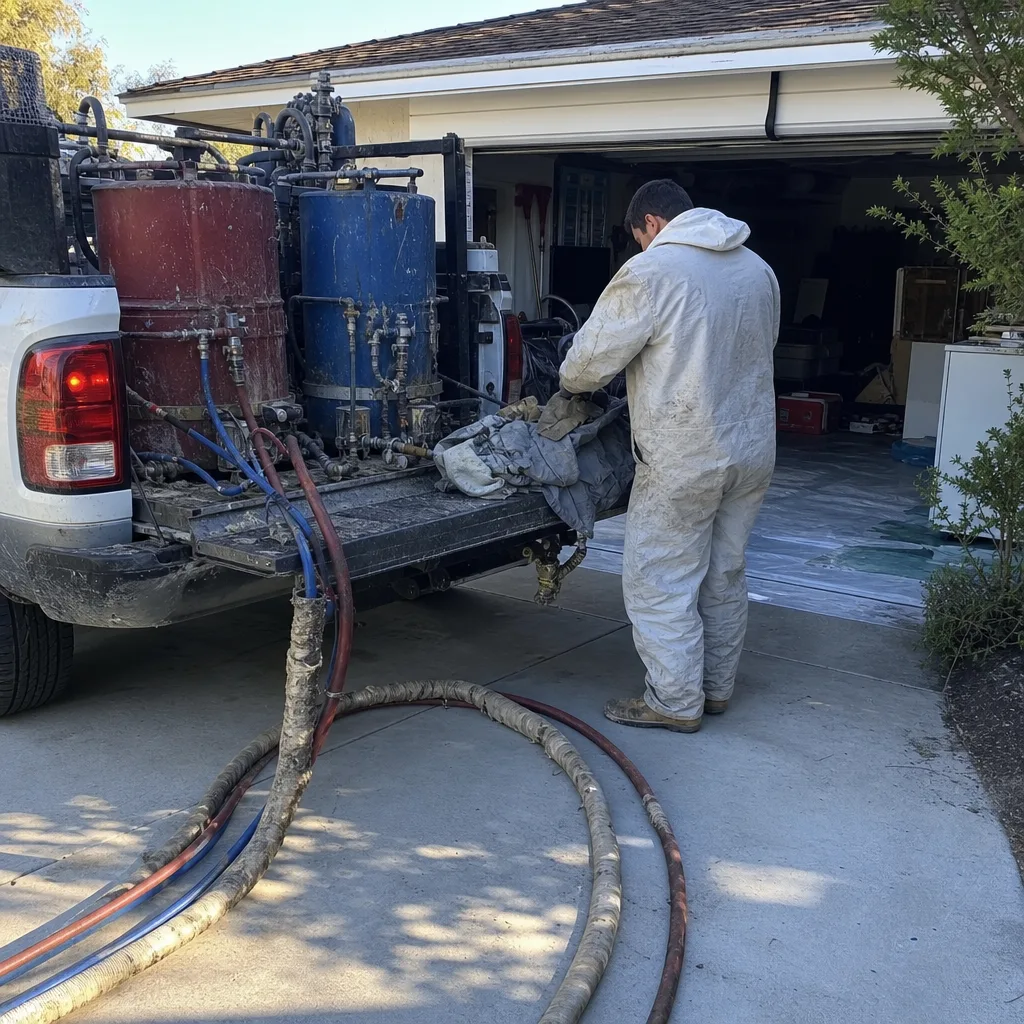
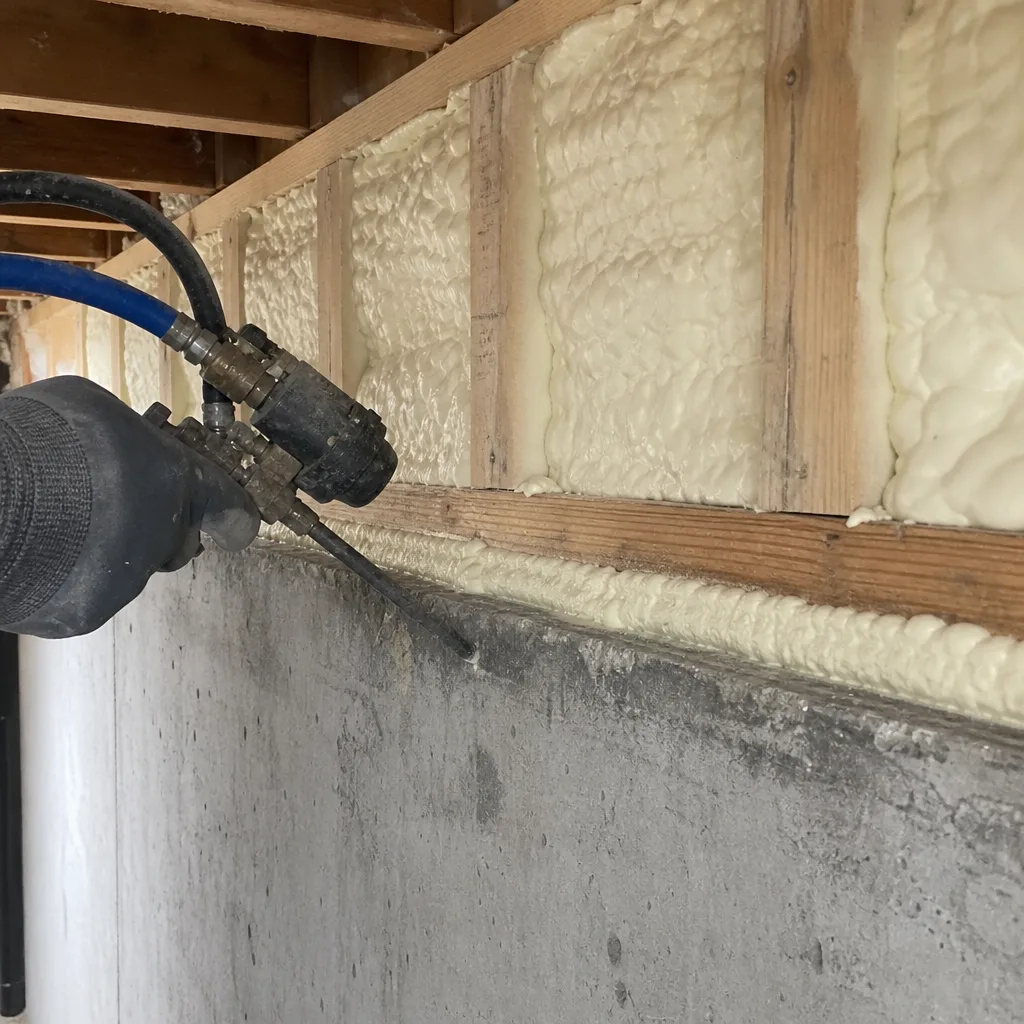
Fast, Reliable Spray Foam Insulation Across Sierra Madre
Spray foam insulation in Sierra Madre typically runs $4.50 to $9.25 per board foot installed, with most whole-attic jobs landing between $5,500 and $12,000 depending on the roof deck area and foam type. We serve Sierra Madre from our Placentia base and can usually schedule an assessment within a few days, not weeks. If your rooms heat up unevenly or your AC runs nonstop between June and October, the thin-walled attics on these foothill streets are the first place we look. Call (855) 773-6429 for a free estimate and a straight answer on what your home actually needs.
Sierra Madre isn’t Arcadia or Monrovia. The canyons above town, the Angeles National Forest boundary, and the age of the housing stock all change how we plan a spray foam job here. Alan Whitcomb runs our crews with a simple rule: match the material to the job, not the job to whatever we have on the truck. For Sierra Madre homes, that usually means open-cell foam on the roofline and closed-cell only where the assembly genuinely calls for it.
Why Placentia Insulation Is Sierra Madre’s Preferred Spray Foam Insulation Company
We’re an insulation-only contractor. That matters in Sierra Madre because the homes here demand a specialist’s eye. Most insulation companies carry one or two product lines. We carry eight: Owens Corning, Johns Manville, Knauf, Rockwool, CertainTeed, Icynene, Demilec, and GreenFiber. So when we scope a 1920s Craftsman off Baldwin Avenue or a post-war ranch near Sierra Madre Boulevard, we’re choosing from a real material library, not defaulting to whatever single-brand foam is on the truck.
Alan Whitcomb’s crews know the difference between sealing a 900-square-foot bungalow attic and a 3,000-square-foot hillside home because we’ve done both here. We understand that streets climbing toward Bailey Canyon and Mount Wilson put attics directly against wildland fuel beds, which changes where we air-seal and how we handle vents. That’s not textbook knowledge. That’s time on ladders in this specific town.
When you call Placentia Insulation at (855) 773-6429, you talk to people who do insulation every day, not a general contractor squeezing your attic between a roofing job and a bathroom remodel.
Spray Foam Attic Insulation in Sierra Madre
Spray Foam Attic Insulation in Sierra Madre means sealing and insulating the roofline itself, turning the attic into conditioned space instead of a superheated void that fights your HVAC all summer. On older Sierra Madre homes, the original rafter bays were often left completely bare. We remove old batts or blown material, air-seal the top plates and any penetrations, then apply open-cell Icynene or Demilec foam directly to the underside of the roof deck. A typical 1,200-to-1,600-square-foot Sierra Madre attic runs $6,000 to $11,000 for this process.
Ember-Hardening the Roofline
Up the streets climbing toward Mount Wilson and Bailey Canyon trailheads, many attics vent straight at the brush. We check every eave and gable vent for ember-intrusion gaps while we foam, and we install ember-resistant mesh where the assembly calls for it. In flatland cities like Arcadia or Monrovia, that check never happens. Here it’s the difference between an insulated attic and a defensible one.
When Your Attic Hits 130°F
Sierra Madre summers push uninsulated attic temperatures past 130°F. That heat radiates down through ceiling joists and turns second-floor bedrooms into ovens by 4 p.m. Open-cell foam on the roofline cuts that radiant load dramatically, and because the foam also air-seals, you stop pulling hot, dusty air through every gap in the top plates.
Spray Foam Wall Insulation in Sierra Madre
Spray Foam Wall Insulation in Sierra Madre applies to existing exterior walls, usually through retrofit drilling or during a remodel tear-out. On the thin-walled Craftsman and bungalow stock common between Baldwin and Michillinda, the original walls often contain nothing but air and a few loose shavings. Closed-cell Demilec foam injected into those bays adds R-value, but more importantly for Sierra Madre, it blocks drafts and strengthens the wall assembly against the dry Santa Ana wind events that push outside air through every gap.
Retrofit Foam for Older Wall Cavities
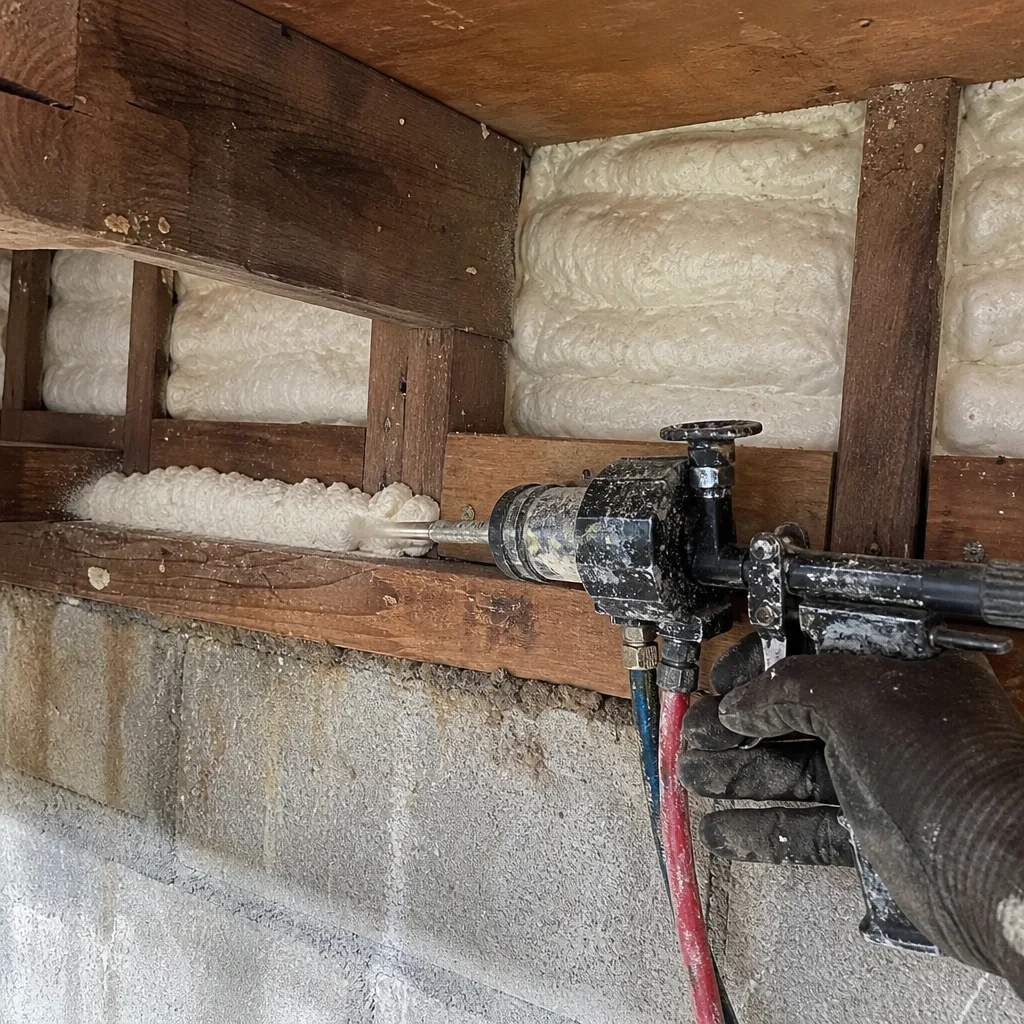
Injecting closed-cell foam into 2×4 bays on a 1920s Sierra Madre home is a measured job. We go stud bay by stud bay, drilling from the exterior or interior as conditions allow, and we verify fill with a thermal camera. Expect $3.50 to $6.00 per board foot for wall retrofits depending on access and cavity depth.
Drafts, Dust, and Santa Ana Air
Older Sierra Madre homes leak. Single-pane windows and original plaster walls let September and October Santa Ana winds blow straight through, carrying dust and embers from the brush zone. Foaming wall cavities closes those paths. It’s the single fastest way to make a drafty old bungalow hold temperature and keep outside air where it belongs.
Trusted Brands We Service in Sierra Madre
We install Icynene and Demilec spray foam because they’re the two manufacturers we’ve seen hold up consistently over years in Southern California attics and walls. Icynene open-cell gives us the right expansion and sound control for rooflines and interior walls. Demilec closed-cell delivers the higher R-value and moisture resistance needed in crawlspaces or wall retrofits. Because we stock both product families, we don’t push a Sierra Madre homeowner toward one chemistry because that’s all we carry. We pick based on what the assembly actually requires. No fake flexibility, no single-brand sales pitch.
Common Spray Foam Insulation Problems We See in Sierra Madre Homes
- Foam sprayed over live knob-and-tube wiring. Many early-20th-century Sierra Madre bungalows still have knob-and-tube runs in the attic bays. We verify the wiring is de-energized or bypassed before any foam goes in. Burying live K&T in foam is a fire hazard and a code violation.
- Foaming over eave and gable vents without checking ember paths. On canyon-facing streets, a gable vent open to the brush zone is an ember intake. We don’t just foam up to it and call it done. We assess it, screen it if needed, and only then insulate around it.
- Closed-cell in tight older crawlspaces with no moisture plan. The dry foothill air fools some contractors into thinking moisture never matters. Over-applying closed-cell in a tight crawlspace against 100-year-old framing can trap ground moisture. We match the foam to the assembly, not the other way around.
- Unsealed top plates under fresh foam. Air-sealing first is what makes foam perform. Skipping it means you’ve spent real money on a thermal blanket with holes in it. We always seal before we spray.
Pricing for Spray Foam Insulation in Sierra Madre, CA
Open-cell spray foam in Sierra Madre runs $4.50 to $6.75 per board foot installed. Closed-cell runs $6.50 to $9.25 per board foot. A full attic roofline on a 1,200-square-foot bungalow typically lands between $5,500 and $8,500 for open-cell, and between $8,000 and $12,000 for closed-cell. Wall retrofit foam runs $3.50 to $6.00 per board foot depending on access and cavity depth. What moves cost: roof pitch, rafter depth, existing insulation removal, and whether we’re addressing ember-vent work at the same time. Call (855) 773-6429 for a free estimate on your Sierra Madre home. We’ll walk the attic with you and explain exactly what we’d do and why before you commit to anything.
We Also Serve Cities Near Sierra Madre
Our crews work throughout the west San Gabriel Valley. Beyond Sierra Madre, we regularly schedule spray foam jobs in Arcadia, East Pasadena, Mayflower Village, and Monrovia. If you’re just over the border on the valley floor and wondering whether your attic gets the same ember-check scrutiny, the answer is yes, because our standards don’t change at the city line.
Serving Sierra Madre, CA — Our Local Coverage Area
We’re based in the Sierra Madre area and know this community well. Use the map below to see our service coverage — if you’re nearby, we can almost certainly help.
FAQs About Spray Foam Insulation in Sierra Madre
Sierra Madre sits directly against the Angeles National Forest, so an attic that vents toward the fuel bed above Bailey Canyon or Mount Wilson can draw in wind-driven embers during Santa Ana events. We check and screen eave and gable vents as part of every attic foam job here, and we don’t bury those paths under insulation. That’s a standard practice on the foothill streets, not an add-on.
Yes, but only after confirming the knob-and-tube circuits are de-energized or properly bypassed. Foam over live K&T wiring traps heat and creates a fire risk. We inspect the attic bays first, flag any active runs, and coordinate with a licensed electrician before foam goes in. Call (855) 773-6429 if you suspect your bungalow still has original wiring.
For a classic vented attic setup, we don’t foam over the ventilation path. The foam goes on the roofline in a conditioned-attic design or on the attic floor with venting preserved above. On canyon-facing homes, we check that every vent that remains open is screened against embers. Foam should improve thermal performance, not compromise the assembly.
Yes. The primary attack on comfort in Sierra Madre is radiant heat from a 130°F-plus attic, and open-cell spray foam on the roofline cuts that load more effectively than fiberglass batts or blown-in cellulose alone. The dry climate means moisture isn’t the driver here; it’s heat, dust, and wind-driven air leaks. Foam addresses all three.
Open-cell foam is lighter, expands more, and is ideal for attic rooflines where you want an air seal and R-value without adding structural moisture resistance. Closed-cell foam is denser, adds structural strength, and resists moisture, which makes it the right call for crawlspace walls or walls that face ground moisture. In Sierra Madre’s dry foothill homes, we typically use open-cell in attics and closed-cell in crawlspaces or in wall retrofits where moisture resistance matters.
If your Sierra Madre home runs hot upstairs, drafts through old walls, or sits up against the brush line, call (855) 773-6429 for a free estimate. We’ll look at the actual assembly, tell you what you need, and quote a number you can make decisions on.
Written by Alan Whitcomb, Owner at Placentia Insulation, serving Sierra Madre and the San Gabriel Valley.