
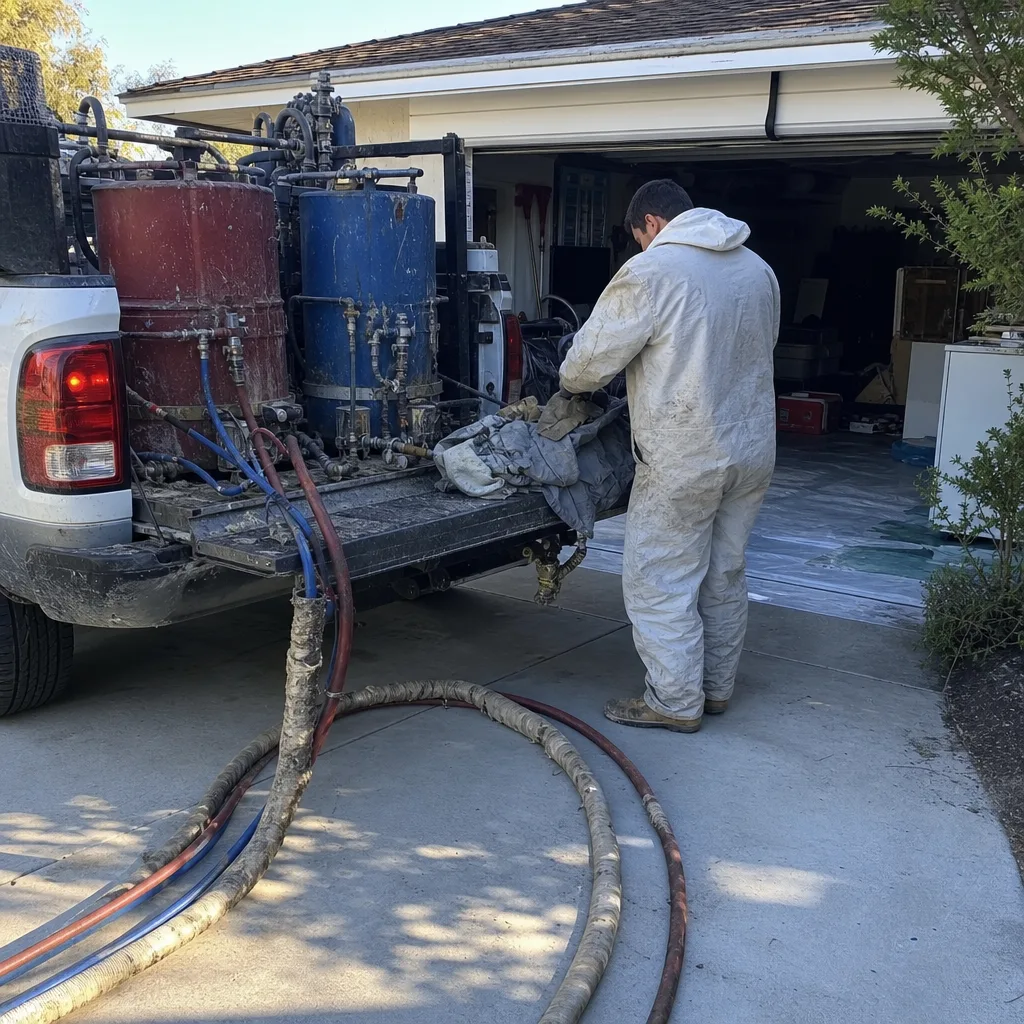
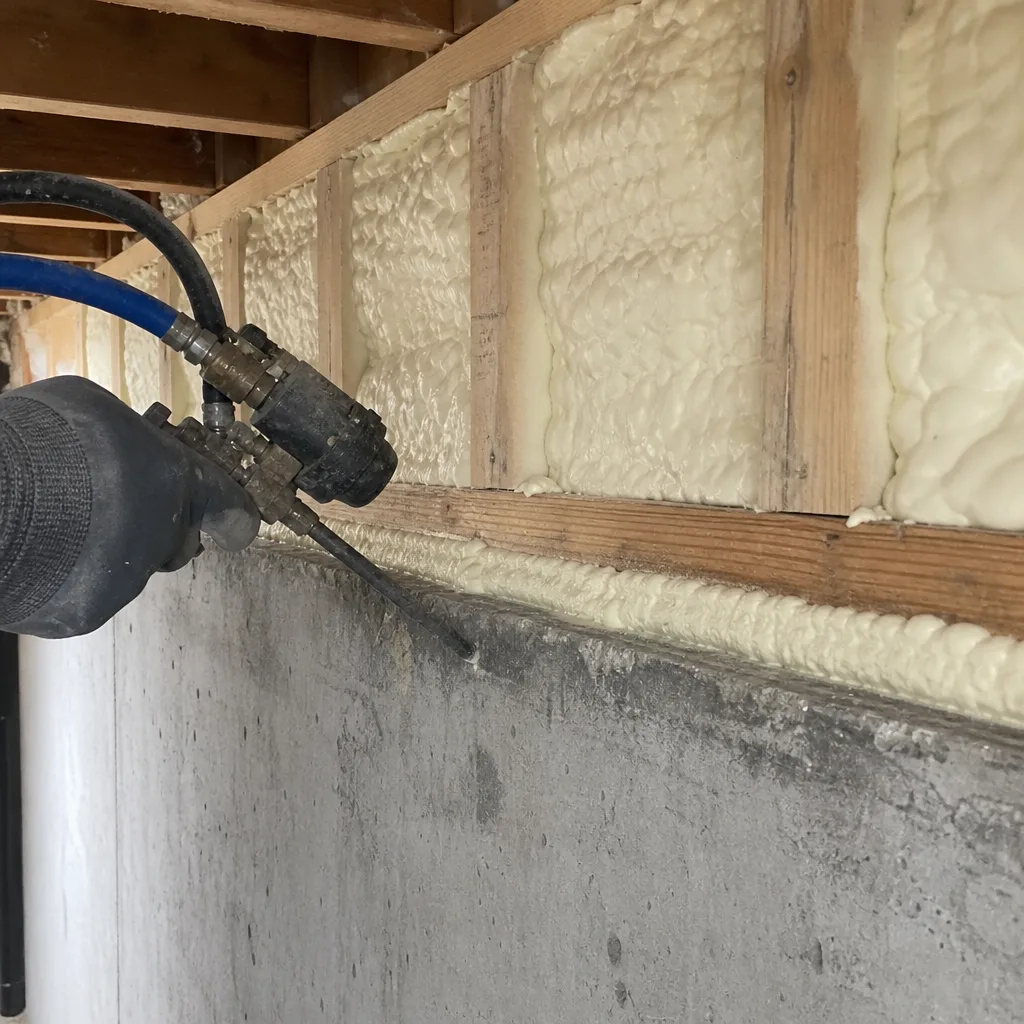
Fast, Reliable Spray Foam Insulation Across South El Monte
Spray foam insulation in South El Monte typically costs $2,800 – $7,500 for a full attic application, with wall insulation projects running $1.50 – $3.25 per square foot depending on whether you choose open-cell or closed-cell foam. Most jobs take one to two days once prep work is done. But here’s what matters most in South El Monte: the prep work itself often determines whether your foam performs for 30 years or starts failing in five. Homes in the 91733 ZIP were largely built between the 1940s and 1960s, and many still carry original knob-and-tube wiring that must be re-routed before any foam touches it. We know this because we’ve done the work off Rush Street, through the Merced Avenue corridors, and across the older tracts near South El Monte High School. That local experience changes how we quote, how we prep, and how we install. Call (855) 773-6429 for a free estimate and we’ll tell you exactly what your home needs.
Why Placentia Insulation Is South El Monte’s Preferred Spray Foam Insulation Company
Alan Whitcomb built Placentia Insulation around a simple idea: match the material to the job, not the job to whatever’s on the truck. We source from eight brands – Icynene, Demilec, CertainTeed, GreenFiber, Owens Corning, Johns Manville, Knauf, and Rockwool – because no single brand covers every attic, wall cavity, or rim joist the same way, and we also handle Reflectix repair in South El Monte when that material is the right call. Most insulation contractors carry one or two product lines. We carry eight, so a 1953 South El Monte stucco house gets open-cell Icynene in the attic floor where flexibility matters, and Demilec closed-cell along rim joists where moisture resistance and higher R-value per inch earn their keep.
We’ve seen the specific failures these South El Monte homes throw at installers. Dust-caked batt residue that causes spray foam to delaminate. Attics that hit 140°F in August, baking old insulation into brittle shards. Knob-and-tube wiring hiding under decades of accumulated debris. Knowing what’s underneath before you spray is the difference between a sealed envelope and a call-back. We take that seriously.
Response time to South El Monte from our Placentia shop runs 45 – 60 minutes for estimates, and installation scheduling typically lands within the same week. You won’t wait weeks while your attic keeps leaking conditioned air. Call (855) 773-6429 and we’ll get eyes on your property quickly.
Spray Foam Attic Insulation in South El Monte
Spray foam attic insulation in South El Monte means working around conditions that don’t exist ten miles away. The attics in this city’s 1940s – 60s housing stock were rarely insulated to any meaningful R-value, and what little was installed is often compacted, rodent-soiled, and useless. A proper job here starts with removal – pulling out the old batts, inspecting the wiring, and prepping the surface before the first spray. Expect to pay $2,800 – $7,500 for a full attic application in South El Monte, with larger homes on the upper end and simple single-story footprints on the lower. The prep work is part of the quote, not a surprise line item.
Open-Cell Foam for Attic Floors
Open-cell spray foam is the workhorse for South El Monte attic floors. It expands to fill irregular cavities in older framing, seals air leaks, and delivers roughly R-3.5 to R-3.8 per inch. For homes off Rush Street where joist spacing varies and rafters have shifted over 70 years, open-cell conforms where rigid boards simply can’t. It also won’t trap moisture the way some early foam installs did, provided the attic still has ventilation – a detail we check every time.
Closed-Cell Foam for Roof Decks
Closed-cell foam on the roof deck converts an attic from vented to conditioned space, and in South El Monte that’s a real consideration. When attics routinely hit 140°F in the San Gabriel Valley summer, keeping that furnace outside the thermal envelope changes how the entire house behaves. Closed-cell runs $1.75 – $3.25 per square foot installed. It adds structural strength and acts as a vapor barrier, which matters in older homes where humidity creep through plaster and lathe is a constant annoyance.
Spray Foam Wall Insulation in South El Monte
Spray foam wall insulation in South El Monte addresses a specific problem: small single-story stucco homes with no wall insulation whatsoever. The 1940s – 60s construction booms in this area didn’t include cavity insulation as standard, so heat pours through stucco and lathe all summer. Wall insulation here runs $1.50 – $3.25 per square foot, with closed-cell at the higher end when moisture resistance or higher R-value per inch is needed. The bigger variable isn’t the foam – it’s the wiring.
Cavity Injection for Older Stucco Walls
For homes off Merced Avenue and around the 91733 ZIP, cavity injection means drilling small access points and spraying foam into existing wall cavities. It’s less invasive than tearing out drywall, and it’s the only practical route for a retrofitted 1950s stucco house. The foam fills the shallow cavities completely, which is something fiberglass batts never did even when they were installed. You’ll feel the difference in summer within days.
Knob-and-Tube Re-Routing Before We Spray
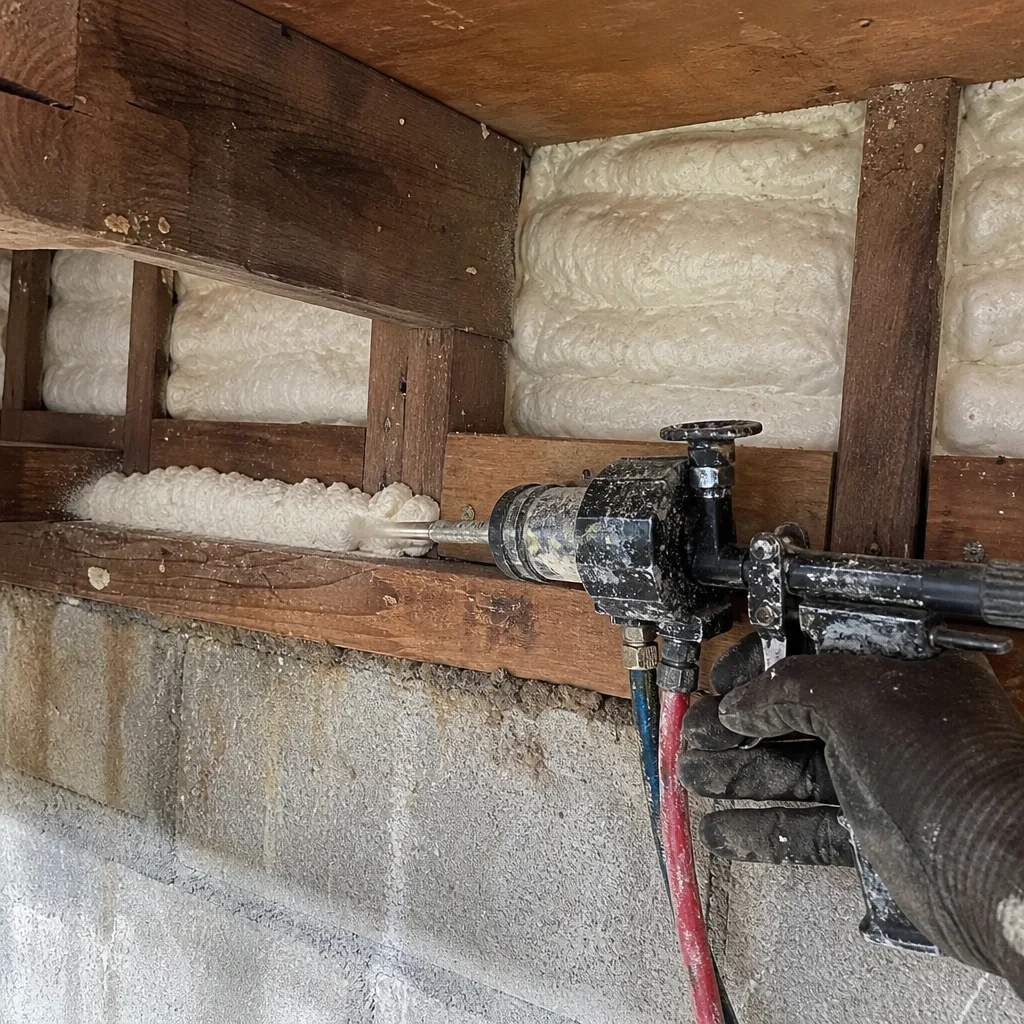
This is the step nobody in a neighboring city’s brochure mentions. South El Monte has a concentration of original knob-and-tube wiring still active in walls and attics. Spray foam applied directly over energized knob-and-tube is a fire hazard and will fail inspection. We identify it during the site visit, coordinate with a licensed electrician to re-route or abandon the circuit, and only then does foam go in. It adds $1,500 – $4,000 to a project depending on how much wiring is still live, but it is not optional. We won’t spray over it, and neither should anyone else.
Trusted Brands We Service in South El Monte
South El Monte homeowners deserve options, not whatever one supplier happened to stock this month. We install and service Icynene open-cell for attic floors and wall cavities where flexibility and air-sealing are the priority. Demilec closed-cell goes on rim joists, roof decks, and anywhere moisture resistance or higher R-value per inch matters. For specific applications, we also stock CertainTeed fiberglass for vented attics and GreenFiber blown-in cellulose as an alternative for homes where spray foam isn’t the right call. We keep material inventory staged for South El Monte jobs, which means faster turnaround when your schedule is tight. Alan Whitcomb’s approach is simple: the foam you get is the foam your house needs, not the foam we happen to have on hand.
Common Spray Foam Insulation Problems We See in South El Monte Homes
- Foam delamination from dusty or compacted batt residue. In attics that haven’t been touched since the 1950s, old fiberglass batts crush into a fine dust that prevents spray foam from adhering. The foam forms a skin, then peels away within months. The fix is complete removal before spraying, which we include in every South El Monte attic quote.
- Knob-and-tube wiring hidden under insulation. We regularly find original wiring buried beneath decades of debris in the 91733 ZIP. Spraying over it is a fire hazard and an inspection failure. Re-routing must happen first, and we coordinate the electrician so you don’t juggle two contractors.
- Off-gassing and bubbling in poorly ventilated attics. Older South El Monte attics often lack proper soffit or ridge vents. Closed-cell foam applied to an unventilated roof deck without addressing airflow traps moisture and causes foam to bubble or pull away. We assess ventilation before recommending roof deck foam.
- Attic heat gain exceeding 140°F in summer. The San Gabriel Valley’s dry heat cooks attics, which accelerates degradation of old insulation and stresses anything new you install. Spray foam’s air-sealing properties reduce that heat transfer, but only if the surface is properly prepped and the foam chemistry matches the application.
Pricing for Spray Foam Insulation in South El Monte, CA
As a practical matter, here’s what South El Monte homeowners pay. Full attic floor spray foam runs $2,800 – $7,500 depending on square footage and prep requirements. Wall cavity injection runs $1.50 – $3.25 per square foot. Rim joist sealing, a common add-on in older homes where the foundation meets the sill plate, typically adds $900 – $2,000. Knob-and-tube re-routing, when needed, adds $1,500 – $4,000 and requires a licensed electrician. Garage ceiling foam, which matters in South El Monte because many garages sit directly under living space, runs $900 – $2,400. These are real ranges we’ve quoted across the 91733 ZIP. Call (855) 773-6429 for an exact quote – estimates are free, and we’ll walk the property before giving you any number.
We Also Serve Cities Near South El Monte
Beyond South El Monte, our crews cover El Monte, Rosemead, North El Monte, and Temple City. The housing stock in these neighboring cities shares a lot with South El Monte’s older tracts, which means the prep-work issues we solve here translate directly. If you’re one town over and wondering whether your attic needs the same treatment, call (855) 773-6429 and we’ll tell you straight. Explore more of our work on Spray Foam Insulation.
Serving South El Monte, CA — Our Local Coverage Area
We’re based in the South El Monte area and know this community well. Use the map below to see our service coverage — if you’re nearby, we can almost certainly help.
FAQs About Spray Foam Insulation in South El Monte
Yes, in almost every case. Old insulation in 1940s-60s South El Monte attics is usually compacted, rodent-soiled, or both. Spraying over it doesn’t just reduce adhesion – it can cause the foam to delaminate and peel away within a year. We remove the old material, inspect what’s underneath, and prep the surface before spraying. Call (855) 773-6429 and we’ll include removal in your quote, not as a surprise line item.
No. Spray foam applied over energized knob-and-tube wiring is a fire hazard and will fail inspection in South El Monte. The wiring must be re-routed or abandoned by a licensed electrician before any foam goes in. We identify it during the site visit and coordinate the electrical work so you’re not managing two contractors. This is standard practice for us in the 91733 ZIP.
South El Monte attics regularly hit 140°F or more in summer, which accelerates degradation of old insulation and stresses anything new. Spray foam’s air-sealing properties actually reduce that heat transfer, but the foam chemistry matters. Open-cell Icynene on the attic floor works well here because it conforms to older framing and doesn’t trap moisture. Closed-cell Demilec on the roof deck converts the attic to conditioned space, keeping that heat outside the thermal envelope. Both perform well in our climate when installed correctly.
Yes, especially for wall cavities. The small stucco homes off Rush Street were typically built without any wall insulation, so heat moves through stucco and lathe all summer. Spray foam cavity injection fills those shallow wall cavities completely, something fiberglass batts never did. The key is checking for knob-and-tube wiring first, which is common in that area and must be addressed before foam goes in.
We install Icynene open-cell and Demilec closed-cell spray foam, choosing the chemistry based on the application. Open-cell Icynene goes on attic floors and wall cavities where flexibility and air-sealing matter. Demilec closed-cell goes on rim joists and roof decks where moisture resistance and higher R-value per inch are needed. We also stock CertainTeed fiberglass and GreenFiber cellulose when spray foam isn’t the right material for a specific job. For more detail on our materials, see our Spray Foam Insulation page. Call (855) 773-6429 for a recommendation specific to your home.
Written by Alan Whitcomb, Owner at Placentia Insulation, serving South El Monte and the San Gabriel Valley since our founding.