
Insulation Company in Koreatown, CA
Blown in insulation is the quiet workhorse of Koreatown’s older buildings. It’s the same method our crews use most often in 90005, because so many of the neighborhood’s pre-1970s apartments and 1920s bungalows have original wall cavities that are either empty or holding a thin, settled layer of something installed three decades ago. Koreatown’s density changes everything about the job: exterior access is usually a narrow side yard or a shared alley, and the goal is less about heating and more about stopping top-floor units from cooking in the summer sun. Call (855) 773-6429 for an assessment that starts with how your building was actually framed, not what a brochure says.
Why Koreatown Homes Are Different
Koreatown wasn’t built for modern insulation. The housing stock is overwhelmingly pre-1970s low-rise apartment buildings and a pocket of 1920s and 1930s single-family homes, most with wood-frame walls, original stucco exteriors, and no wall insulation. When we open a wall in this neighborhood, we expect to find either empty stud bays or the crumbled remains of something that hasn’t performed since the Nixon administration. That matters because it changes the retrofit strategy: we’re not topping off a reasonably insulated house, we’re filling cavities from scratch.
The climate compounds it. Koreatown sits in a warm, sunny zone where cooling drives energy use, not heating. The urban heat island effect pushes summer temperatures higher than the surrounding areas, and top-floor apartment units absorb that heat all afternoon. Attic insulation and wall insulation become less about staying warm and more about not paying to re-cool the same air every hour. Mild winters mean we prioritize heat gain reduction, radiant barriers, and ventilation alongside any thermal work.
Then there’s the practical reality of working in a dense rental market. Many buildings sit lot-line to lot-line, with exterior access reduced to a three-foot side yard or a shared alley behind the building. Landlord-tenant coordination is part of nearly every job. And LADBS Title 24 requirements for multi-family buildings often mean fire-rated assemblies and sound attenuation between units, not just a thermal target. A generalist contractor who treats insulation as a side task gets lost here. We work in these conditions every week.
Our Main Koreatown Services
Koreatown homeowners and property owners call us most often about two things: getting attic insulation into buildings where heat builds up all day, and using spray foam where air sealing matters as much as thermal value. Both have their own detailed Koreatown pages, but here’s what you need to know up front.
Attic Insulation in Koreatown
Attic insulation in Koreatown is the highest-leverage upgrade for top-floor units. The sun beats down on flat and low-slope roofs all day, and that heat radiates into the ceiling below. We open the attic, assess what’s there now, and either remove and replace or add to it based on the existing conditions. Many Koreatown buildings have minimal attic space, so dense-pack and targeted approaches often beat simply blowing more material over the whole floor. For a full breakdown of what attic work looks like in 90005, see our Attic Insulation in Koreatown page.
Spray Foam Insulation in Koreatown
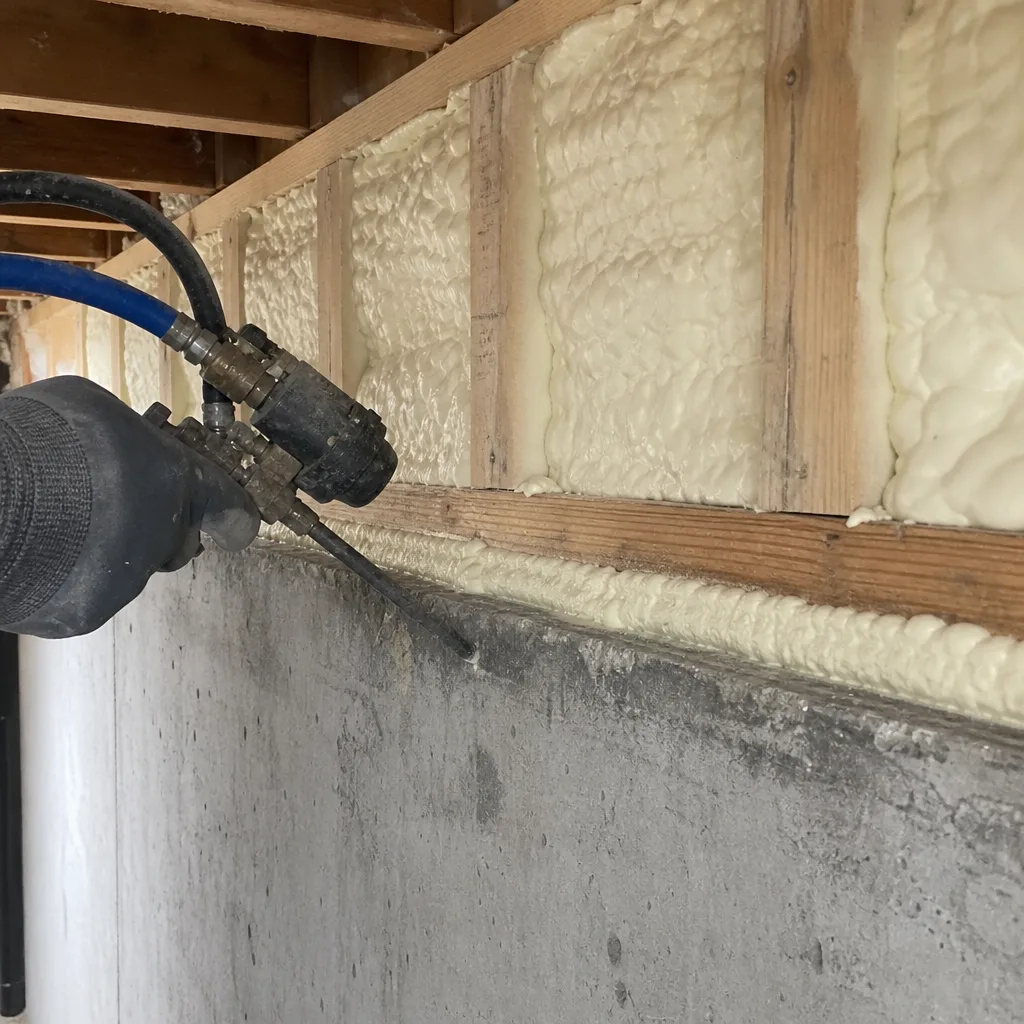
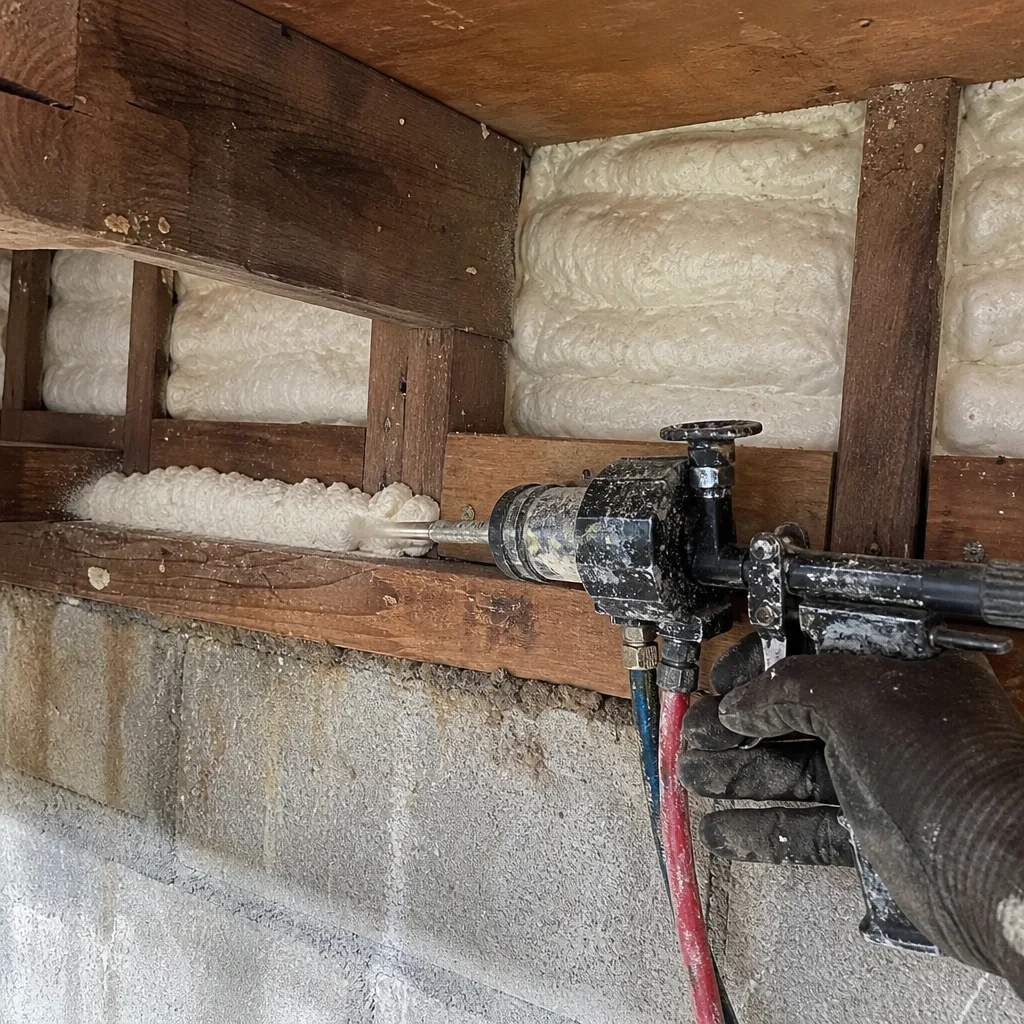
Spray foam in Koreatown solves two problems at once: air sealing and thermal resistance. In older buildings with uninsulated walls and gap-prone framing, air leaks are often the bigger energy drain. Spray foam expands into those cavities and seals them. We carry both open-cell and closed-cell chemistries, so a top-floor ceiling with heat gain gets a different approach than a shared wall that needs sound control. For the full picture on material selection and what foam can and can’t do in Koreatown’s buildings, visit our Spray Foam Insulation in Koreatown page.
What happens when you call
- 1
A real person answersNo phone trees — you reach a local pro.
- 2
You get an upfront price rangeHonest numbers before anyone is dispatched.
- 3
A background-checked tech heads outLicensed & insured, dispatched right away.
- 4
You approve before work beginsNothing starts until you say go.
Blown In Insulation in Koreatown
Blown in insulation is the most practical wall retrofit for Koreatown’s older apartment buildings and 1920s bungalows. Exterior stucco and narrow lot lines make re-siding impossible, so our crews fish cellulose or fiberglass through small holes from interior closets, preserving the original plaster and lath while filling empty stud bays. In a neighborhood where cooling dominates energy costs, dense-packed walls keep top-floor units measurably cooler. The work is methodical, designed around occupied units, and tailored to each building’s framing. Learn more about our Blown In Insulation service, or keep reading for the specific jobs we do in Koreatown.
Cellulose Insulation
Signs you need it
If your Koreatown apartment or bungalow has original walls that feel hollow when tapped and rooms that spike in temperature by late afternoon, the wall cavities are likely empty or settled and due for dense-pack cellulose.
What it costs in Koreatown
Cellulose wall retrofits in Koreatown buildings typically run $1.50 to $3.50 per square foot, with total project costs landing between $1,500 and $3,500 depending on how many wall cavities we’re filling and how accessible the interior access points are.
How we do it
We drill small access holes from interior closets or behind trim, blow GreenFiber cellulose into each stud bay to the correct density, then patch and restore the holes so the original plaster and lath stay intact.
Blown In Attic Insulation
Signs you need it
Top-floor rooms that stay hot well into the evening, attic spaces with less than six inches of existing material, or a roof deck that radiates heat downward are all signals that blown in attic insulation in Koreatown is overdue.
What it costs in Koreatown
Blown in attic insulation in Koreatown generally costs $1,500 to $3,500 for a typical apartment building or single-family home, with the final number set by square footage, target R-value, and how much old material needs removal first.
How we do it
We inspect the attic for ventilation and wiring issues first, then blow insulation evenly across the attic floor to the specified depth, keeping soffit vents clear and documenting the final R-value for your records.
Blown In Cellulose Insulation
Signs you need it
If you’re updating a Koreatown multi-family building for tenant comfort or Title 24 compliance, blown in cellulose delivers high coverage per inch and does it with recycled content, which matters to many property owners here.
What it costs in Koreatown
Blown in cellulose in Koreatown’s older structures typically ranges from $1,500 to $3,500 for a full project, with per-square-foot pricing between $1.50 and $3.50 and variation based on wall versus attic application.
How we do it
We use GreenFiber cellulose, dense-packing walls for air sealing and thermal control, or open-blow application in attics at the depth needed for your R-value target and Koreatown’s cooling-dominant climate.
Blown In Fiberglass Insulation
Signs you need it
Koreatown attics with accessible open floors and no existing air-sealing issues are often good candidates for blown in fiberglass, which covers quickly and evenly without the weight of some older materials.
What it costs in Koreatown
Blown in fiberglass attic work in Koreatown typically runs $1,500 to $3,500 per project, with per-square-foot figures between $1.50 and $3.50 depending on depth and any prep work needed around vents and recessed fixtures.
How we do it
We air-seal obvious bypasses first, then blow fiberglass to the specified depth across the attic floor, keeping consistent coverage around edges and documenting the installed R-value when the job is complete.
What Blown In Insulation Costs in Koreatown
| Item | Typical range in Koreatown |
|---|---|
| Blown in insulation (per sq ft) | $1.50 – $3.50 |
| Typical attic project | $1,500 – $3,500 |
| Wall cavity retrofit (per access point) | $150 – $400 per hole set |
Can you insulate the walls of an older Koreatown apartment building without tearing out the stucco?
Yes. Blown in insulation is specifically designed for that. We access the wall cavities from the interior, usually through closets, and fill each stud bay with dense-pack cellulose. The exterior stucco and original plaster stay in place.
How long does blown in insulation work take in a Koreatown apartment?
Most wall cavity retrofits in Koreatown take one day per unit, sometimes two for a larger building. Attic work is usually a single day. We coordinate with tenants and schedule access in advance to keep disruption low.
Brands We Service in Koreatown
We stock and install insulation from certain manufacturers whose materials we’ve tested in Koreatown conditions: CertainTeed for fiberglass, GreenFiber for recycled-content cellulose, and Icynene and Demilec for both open-cell and closed-cell spray foam. Parts arrive from our local inventory, not a distributor’s queue. See our brands for the full portfolio and what each material does best.
Pricing for Insulation Company in Koreatown, CA
| Service | Typical range in Koreatown |
|---|---|
| Blown in attic insulation | $1,500 – $3,500 |
| Cellulose wall retrofit | $1,500 – $3,500 |
| Blown in cellulose (attic) | $1,500 – $3,500 |
| Blown in fiberglass (attic) | $1,500 – $3,500 |
| Blown in insulation (per sq ft) | $1.50 – $3.50 |
| Attic air sealing and prep | $500 – $1,500 |
| Wall cavity access (per hole set) | $150 – $400 |
What pushes pricing up in Koreatown is access. Narrow side yards, shared alleys, third-floor units with no elevator, and the need to work around tenants all add time. We quote an upfront price after an on-site assessment so you know the real number before we start, not a range that grows during the job.
Neighborhoods We Serve in Koreatown
We work throughout the 90005 ZIP and the wider Koreatown area, including the pockets that give the neighborhood its character. Response time is typically same-day or next-day for assessment calls, depending on our crew schedule.
- Wilshire Park
- Hancock Park adjacent
- Little Bangladesh
- Wilton Historic District
- Longwood Highlands
Service Area – Cities Near Koreatown
Placentia Insulation is based in Placentia, but our crews work across the Los Angeles basin. Beyond Koreatown, we regularly handle insulation projects in Los Angeles, CA, Echo Park, CA, Silver Lake, CA, and Hollywood, CA. If your building sits just outside 90005, call us and we’ll confirm our schedule for your street.
Serving Koreatown, CA — Our Local Coverage Area
We’re based in the Koreatown area and know this community well. Use the map below to see our service coverage — if you’re nearby, we can almost certainly help.
FAQs About Insulation Company in Koreatown
We can usually schedule an assessment within one to two business days in Koreatown. If you have a top-floor unit that’s already overheating or a landlord-tenant situation that needs resolution before the season turns, call us and we’ll work with your timeline. Emergency assessments are available when our schedule allows.
For most insulation retrofits in existing Koreatown buildings, no permit is required. However, Title 24 compliance for multi-family buildings may trigger additional documentation, especially if you’re doing a larger scope of work alongside insulation. We’ll tell you what’s needed for your specific building before we start, so there are no surprises with LADBS.
We work on both, and multi-family buildings are actually a core part of our Koreatown work. We coordinate with property managers and tenants, schedule access per unit, and understand the fire-rated and sound attenuation requirements that come with shared walls. Density isn’t a problem we work around; it’s what we’re set up for.
If your Koreatown building needs blown in insulation, attic work, or spray foam, call (855) 773-6429 for a free estimate. We’ll assess what’s in your walls and attic now, recommend the right material for the job, and give you an upfront price before any work begins.
What happens when you call
- 1A real person answersNo phone trees — talk to a local insulation pro.
- 2You get an upfront price rangeHonest numbers before anyone is dispatched. No surprises.
- 3A background-checked tech heads outLicensed & insured, typically within 30–60 min.
- 4You approve before work beginsNothing starts until you say go.
What Koreatown Customers Say
"Told me the crawlspace didn't need doing and only the attic did. Half the job, half the money."
— Adriana Rodriguez"Handled the utility rebate paperwork, which knocked a real amount off the final cost."
— Gilbert Ramirez"Attic was at maybe R-11 from the 1970s and blown in over the top would have just buried the problem. They removed the old material, air sealed the top plates and penetrations first, then blew in to R-49. The upstairs is a completely different house in August."
— Veronica Guzman