
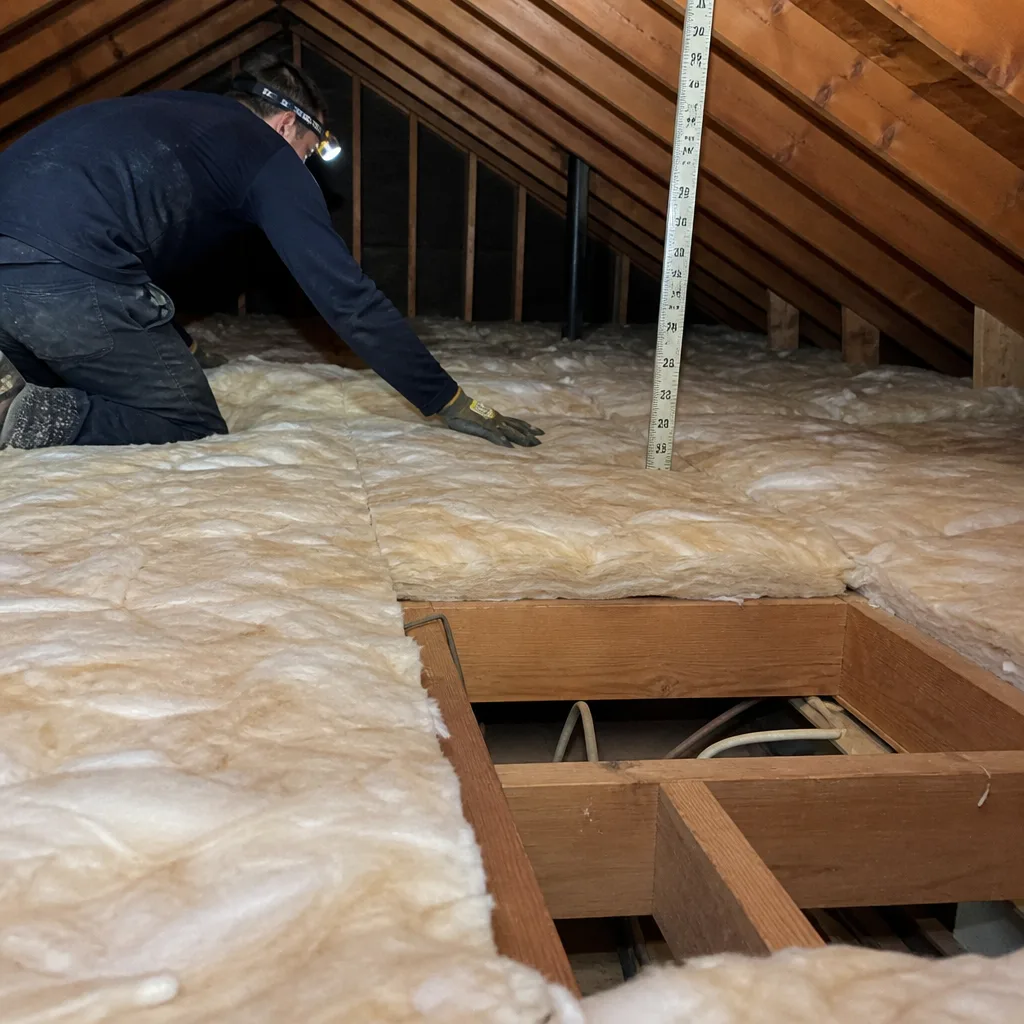
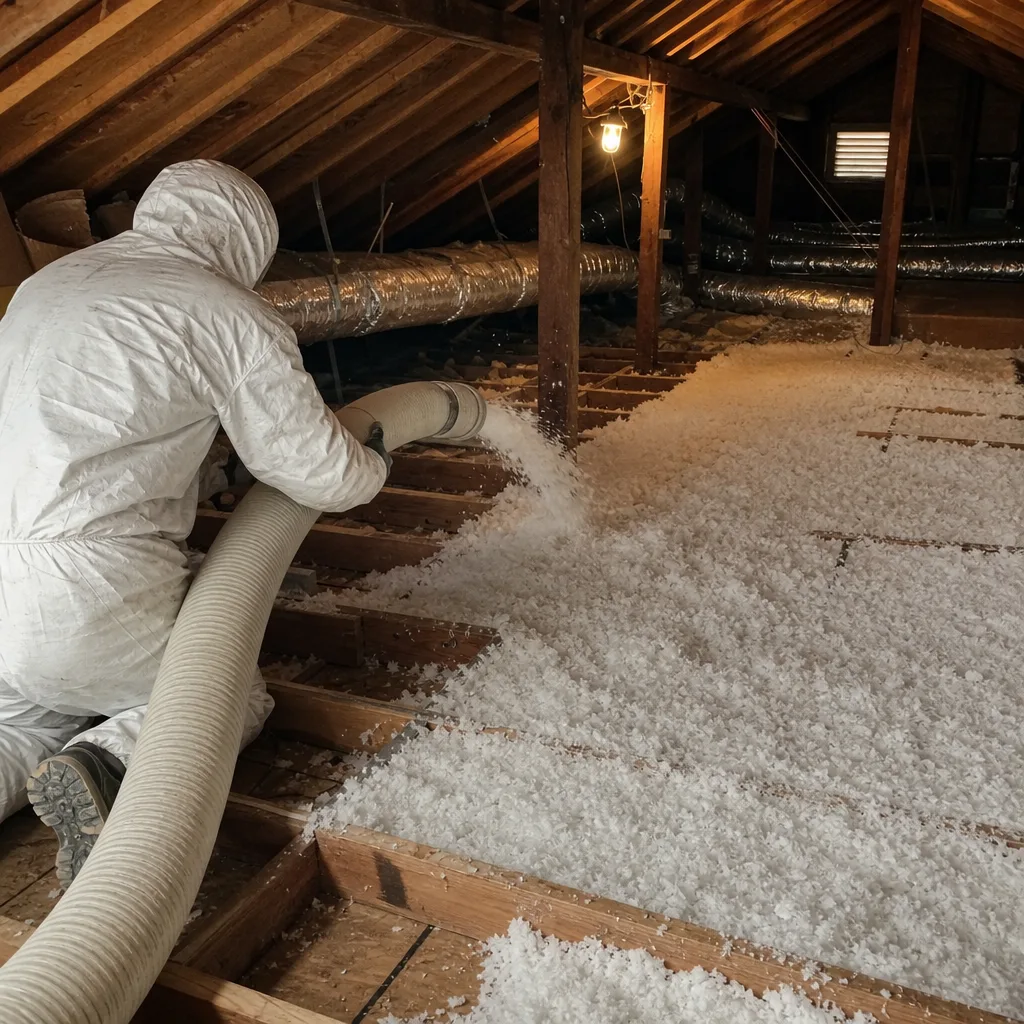
Fast, Reliable Attic Insulation Across Alondra Park
Attic insulation in Alondra Park usually costs between $1,800 and $4,600 for a full removal-and-replacement on a typical 1,100 to 1,500 square foot ranch home, with simpler top-ups running $900 to $1,700. Most jobs take one day once our crew is on site, and we cover the entire 90249 ZIP code, from the residential blocks off Manhattan Beach Boulevard up to the edges of El Camino College. We’re a dedicated insulation contractor, not a generalist, so every truck that rolls into your Alondra Park neighborhood is stocked for one trade only. Call us at (855) 773-6429 for a free estimate and we’ll have someone on your roof or in your attic within a day or two, usually faster.
Why Placentia Insulation Is Alondra Park’s Preferred Attic Insulation Company
Alondra Park’s housing stock is specific. We know these homes because we’ve worked inside dozens of them: low-slung 1950s and 60s stucco ranches off Crenshaw Boulevard, small apartment buildings along Redondo Beach Boulevard, and tightly packed tracts where attics practically touch the neighbor’s. That local familiarity means our crews arrive knowing what to expect before they open the attic hatch. We don’t spend the first hour figuring out your framing; we spend it fixing the problem. Alan Whitcomb, who leads our team, has built Placentia Insulation around the idea that insulation is a specialist’s trade, not a side job for a crew that also does roofing on Tuesday.
What sets us apart in a small, dense community like Alondra Park is our material range. Most insulation companies carry one or two product lines. We stock eight: Owens Corning, Johns Manville, Knauf, Rockwool, CertainTeed, Icynene, Demilec, and GreenFiber. We match the material to the job, not the job to whatever we have on the truck. That matters in Alondra Park specifically, where marine-layer damp and party-wall assemblies demand materials chosen for moisture resilience and air-sealing performance, not just basic thermal resistance. Our Attic Insulation work in this neighborhood leans heavily on Johns Manville fiberglass for its damp-condition performance and Rockwool where fire-blocking between units is a concern.
Response time to Alondra Park from our Placentia shop is a short drive up the 91 and 405. We routinely schedule estimates within 48 hours and can often start work within the same week. For homeowners dealing with active mold or a collapsed insulation layer, we prioritize Alondra Park calls because we understand how fast damp air moves through these old attics. You call, we show up with a plan, and you get a clear scope of work before anything gets touched. That’s how a specialist operates.
Attic Mold Removal in Alondra Park
Attic Mold Removal in Alondra Park is frequently the first step in any insulation project here, because the marine layer that sits over this part of the South Bay pushes damp air into attic cavities where it condenses on cold roof sheathing and feeds mold growth on the underside of the plywood. The job involves containing the affected area, removing mold-contaminated insulation, treating the sheathing and framing with an EPA-registered antimicrobial, and then addressing the moisture source so the problem doesn’t return. In Alondra Park specifically, mold removal in attics typically runs $1,200 to $3,500 depending on the square footage affected and whether the roof sheathing requires sanding or full treatment.
When a 90249 Home Needs Mold Treatment First
You’ll know it by the smell. A musty, earthy odor that drifts down from the attic hatch or bathroom vents is almost always mold or mildew in the insulation or on the sheathing. In Alondra Park’s 1950s tract homes, this often traces back to bathroom exhaust fans venting directly into the attic instead of through the roof, a common shortcut from the era. The damp air never leaves, it just sits in the fiberglass and feeds growth. We see this constantly in the blocks east of Crenshaw Boulevard.
Mold Removal and Insulation Replacement Together
Removing mold without replacing the insulation it’s growing in is half a job. Mold roots into fiberglass batts and blown-in cellulose, and spot-treating rarely kills everything. We recommend removing the contaminated insulation, treating the framing, and installing new material in the same visit. In Alondra Park, doing both together costs $2,800 to $6,000 for a typical ranch home. It’s the only way to eliminate the odor and prevent recurrence. Call (855) 773-6429 and Alan’s crew will confirm the full scope before starting.
Attic Insulation Removal in Alondra Park
Attic Insulation Removal in Alondra Park is the service we recommend for any home built before about 1980 that still has its original insulation, because what’s up there now is usually compacted, damp, and doing almost nothing. The job involves vacuuming out the old material down to the drywall or lath, inspecting the attic floor and top plates for gaps that need air-sealing, and preparing the space for new insulation. For a typical 1,200 square foot Alondra Park ranch, removal alone runs $900 to $1,800, while removal plus new blown-in fiberglass or cellulose usually lands between $2,200 and $4,200 all in.
Signs Your Alondra Park Attic Needs Removal
If your insulation is original to the house, it’s older than most of the people living in it. In Alondra Park’s post-war housing stock, original insulation is commonly 2 to 3 inches of now-flattened fiberglass with an R-value around R-8 to R-11, well below the R-30 to R-38 that makes sense for this climate. You’ll see it in uneven room temperatures, rooms that never feel warm in January despite the heater running, and energy bills that climb every year. Dampness is the other tell. Marine-layer humidity saturates old fiberglass and it mats down against the drywall, losing its loft and its thermal performance.
Removal Before Top-Up: Why It Matters Here
Some companies will offer to blow new insulation right over the old stuff. In a dry climate, that can work. In Alondra Park it usually doesn’t. Old, moist insulation left in place continues to hold moisture against the drywall and top plates, and it hides the party-wall air leaks that we need to see and seal. Removing first lets us inspect the entire attic floor, find every gap at wiring and plumbing penetrations, and seal them properly before the new material goes in. For Alondra Park homes with shared wall assemblies, this inspection step is the difference between an insulation job that works and one that looks fine from the hatch but doesn’t solve the damp.
Trusted Brands We Service in Alondra Park
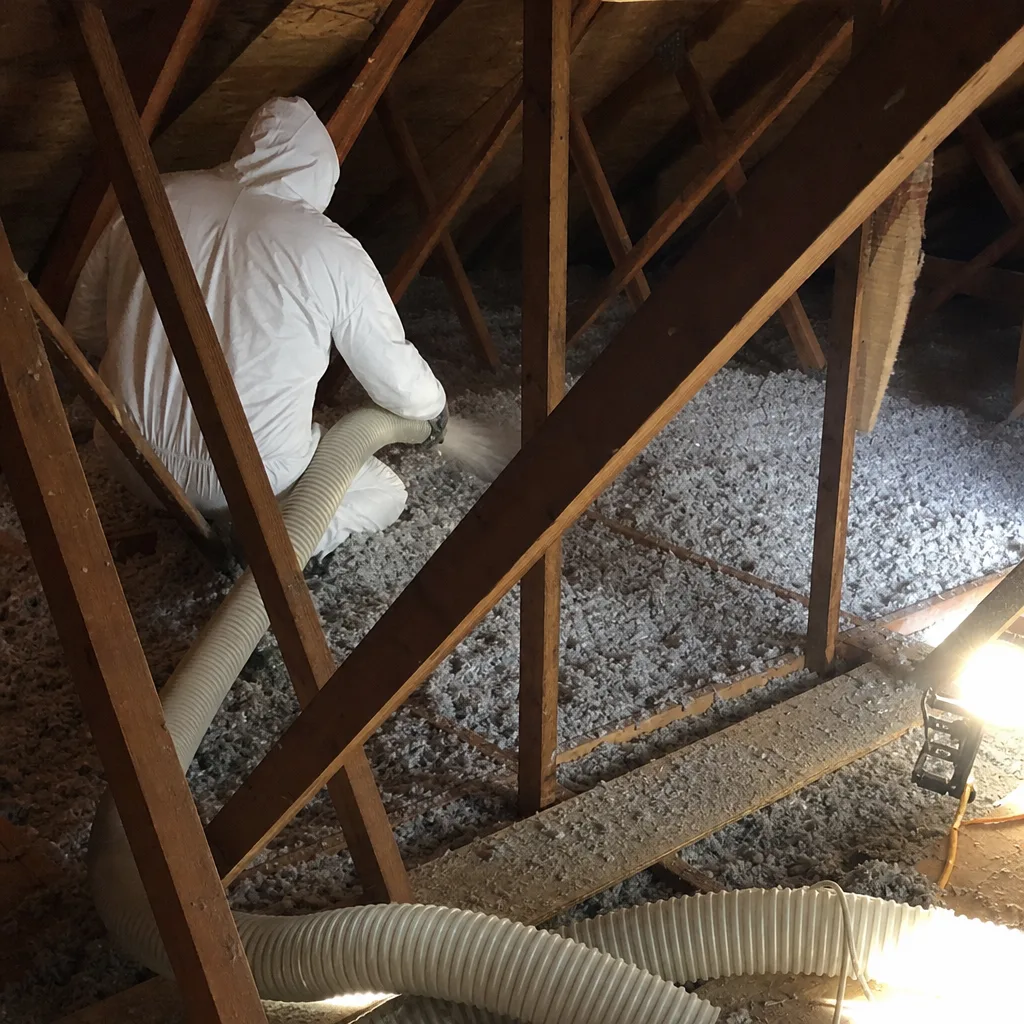
We’re not tied to one manufacturer, which matters when you’re dealing with Alondra Park’s damp, tightly packed attics. For blown-in work we use Johns Manville fiberglass and GreenFiber cellulose, two materials that handle this neighborhood’s humidity characteristics well when installed with proper ventilation. For spray foam applications in low-slope attics or tight cavities, we work with Icynene open-cell and Demilec closed-cell, choosing the chemistry that fits the space rather than forcing one product everywhere. Because we stock materials from eight brands, we can usually start your Alondra Park job without waiting on a supplier order. Rockwool mineral wool is on the truck when fire-blocking at party walls is part of the scope. That material range is something single-brand shops simply can’t offer a 90249 homeowner.
Our crew recently worked on a 1950s ranch home near Alondra Park’s 90249 core, where the original attic insulation had collapsed and marine-layer damp left the fiberglass matted and musty. We removed the degraded material, air-sealed the shared party-wall top plates with fire-rated sealant, and blew in Johns Manville fiberglass to bring the attic up to current R-value while keeping the dense attic vented properly. The homeowner noticed fewer musty odors and more even temperatures within days. That’s the kind of job we do regularly in this neighborhood, and it’s why we approach attic work here as an air-sealing and moisture project first, not just an R-value upgrade.
Common Attic Insulation Problems We See in Alondra Park Homes
- Party-wall air leakage in attached units. Alondra Park’s dense tract layout means many homes share attic assemblies or have party walls that run straight up through the attic. When the top plates at those walls aren’t air-sealed, damp air migrates between units, dragging moisture and musty smells with it. We seal these plates with fire-rated sealant before insulation goes in.
- Marine-layer condensation on roof sheathing. The coastal-influenced weather here means gray, humid mornings for much of the year. That moisture-laden air finds its way into attics through gaps around vents, can lights, and wiring, then condenses on the underside of the sheathing. Over time this feeds mold and rots the plywood if left unchecked.
- Thin, degraded 1950s-era insulation in low-slope stucco homes. Most of Alondra Park’s housing stock was built with minimal insulation by today’s standards, often 2 to 3 inches of fiberglass or even just rock wool batts. Sixty-plus years of settling, pest activity, and moisture exposure leaves it performing at a fraction of its original rating. Low-slope roofs common in this area also limit attic height, making inspection and air-sealing work more difficult, and not every insulation company is equipped or willing to work in those tight spaces.
- Bathroom and kitchen fans venting directly into the attic. Post-war building codes were looser than today’s, and many Alondra Park homes have exhaust fans that terminate inside the attic rather than through the roof. Every shower pushes humid air straight into the insulation. We flag this on every inspection, and while we’re not HVAC or roofing contractors, we’ll point out the issue and can coordinate with whoever does the venting work so your new insulation doesn’t get soaked again.
Pricing for Attic Insulation in Alondra Park, CA
Here’s what you can expect to pay for attic insulation work in Alondra Park, based on the jobs we’ve completed in the 90249 ZIP code over the past few years. A straight blow-in top-up over existing, dry insulation runs $900 to $1,700 for a standard 1,100 to 1,500 square foot ranch. Full removal and replacement with blown-in Johns Manville fiberglass or GreenFiber cellulose lands between $2,200 and $4,200. Attic mold removal adds $1,200 to $3,500 depending on severity. If you need air-sealing at party walls and penetration points, plan for an additional $400 to $900, which most Alondra Park homes benefit from. Spray foam work in low-slope attics runs $2.50 to $4.50 per board foot for open-cell Icynene, and $3.00 to $5.50 for closed-cell Demilec. Every quote is free and includes a full scope of work before anything starts. Call (855) 773-6429 to schedule an estimate.
We Also Serve Cities Near Alondra Park
Our crews cover the entire South Bay, so if you’re in Gardena, Inglewood, Lawndale, or Hawthorne, you get the same response time and the same eight-brand material selection. We’ve worked hundreds of attics across this corner of Los Angeles County, and the marine-layer moisture issues in Alondra Park show up just the same in neighboring ZIP codes. You can read more about our full Attic Insulation in Alondra Park service area and surrounding communities on our city page.
Serving Alondra Park, CA — Our Local Coverage Area
We’re based in the Alondra Park area and know this community well. Use the map below to see our service coverage — if you’re nearby, we can almost certainly help.
FAQs About Attic Insulation in Alondra Park
Because the marine layer that sits over this part of the South Bay pushes damp air into attic cavities, and once that moisture condenses on roof sheathing or saturates insulation, mold takes hold. In Alondra Park’s 1950s and 60s homes, old insulation has typically never been replaced, so it’s been absorbing humidity for decades. If mold is present, removal comes first. We remove the contaminated insulation, treat the framing and sheathing, and then install new material. Call (855) 773-6429 for an assessment and we’ll tell you straight whether mold treatment is needed or whether you can go straight to insulation replacement.
Yes, and in Alondra Park it’s often the most important part of the job. Many homes here have party walls that run up through the attic, and the top plates at those walls are rarely sealed, if the original builder even attempted it. We use fire-rated sealant at all shared wall assemblies, wiring penetrations, and plumbing chases before any new insulation goes in. That stops damp air moving between units and keeps your insulation dry. This is standard practice on our Alondra Park jobs, not an upsell.
For Alondra Park’s mild coastal climate, R-30 to R-38 in the attic is the right target. That’s achievable with about 10 to 14 inches of blown-in fiberglass or cellulose, depending on the material. Going higher than R-38 in this area delivers diminishing returns because the climate is mild, though some homeowners opt for R-44 in rooms that still run cold. The bigger issue in Alondra Park homes isn’t usually the R-value, it’s the gaps, the damp, and the party walls. We’ll assess what your specific ranch needs during the estimate.
Carefully, and with the right equipment. Many Alondra Park homes have low-slope or nearly flat roof lines that leave very little attic clearance, sometimes 18 inches or less at the eaves. We’re experienced working in those tight spaces, and we use flexible blowing hoses and low-profile equipment to get insulation into the far corners without damaging drywall or trusses. In the tightest attics we may recommend a hybrid approach: dense-pack cellulose at the eaves where clearance is worst, and blown-in fiberglass across the open center. Spray foam may also make sense in some low-slope applications. We’ll walk you through the options based on what we find when we get up there.
We strongly recommend it, and in Alondra Park we usually insist on it. Old insulation in these homes is typically decades old, compressed, and in many cases damp from the marine layer. Blowing new material over the top locks that moisture in and hides the air leaks at party-wall top plates and penetrations that need to be visible for sealing. Removal adds $900 to $1,800 to the job, but it’s the difference between an attic that performs for 20 years and one that needs redoing in five. For a free scope-of-work with exact pricing for your Alondra Park home, call us at (855) 773-6429.
Written by Alan Whitcomb, Owner at Placentia Insulation, serving Alondra Park and the surrounding South Bay neighborhoods.