
Fast, Reliable Attic Insulation Across Corona
Attic insulation in Corona has to work harder than it does in most of Southern California. The city sits in a wind-scoured corridor at the base of the Santa Ana Mountains, so your attic isn’t just fighting 100°F summer heat, it’s fighting wind-driven dust that clogs vents and chokes airflow. Placentia Insulation knows exactly what that means for homes on both sides of the 15 and the 91. When you call (855) 773-6429, you’re talking to an insulation-only contractor that works in Corona’s west-side tracts and south-hills developments every week, not a generalist squeezing attic work between two other trades.
Why Placentia Insulation Is Corona’s Preferred Attic Insulation Company
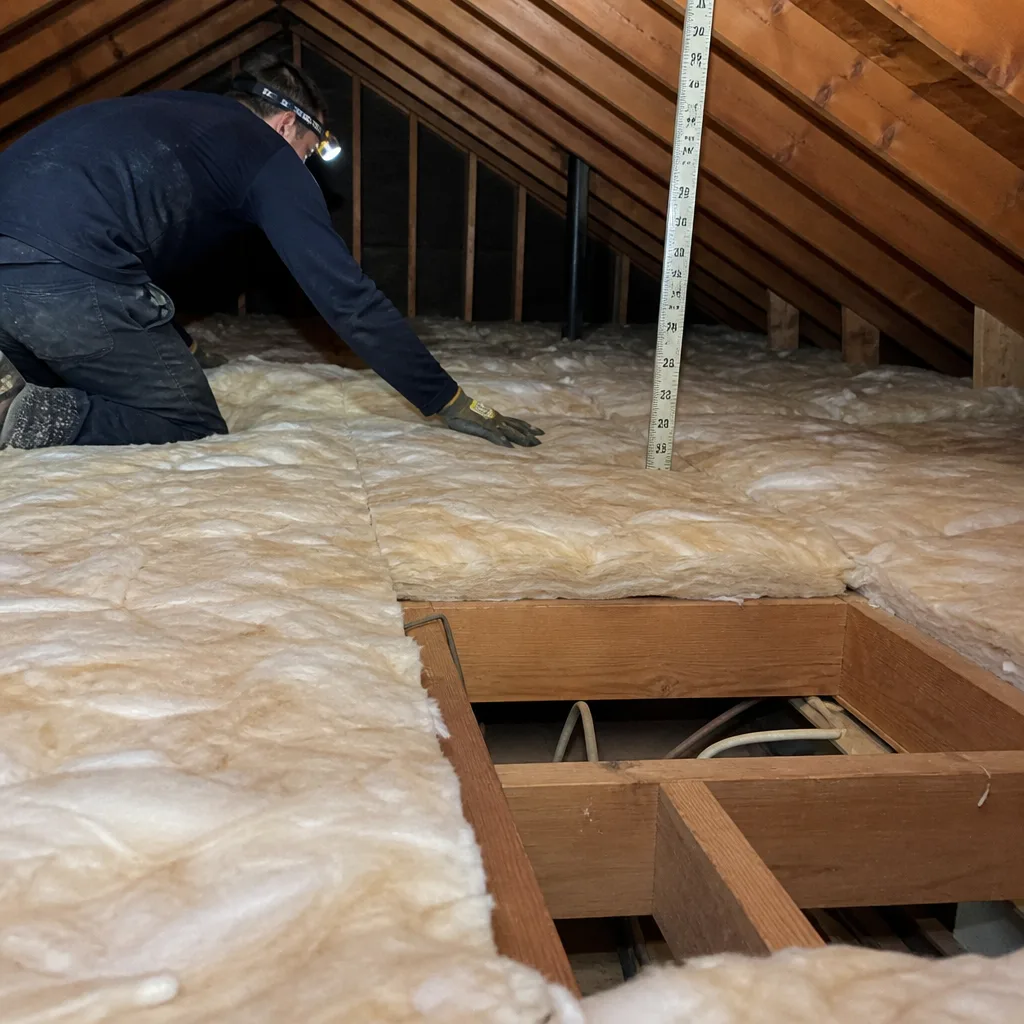
Most insulation contractors carry one or two product lines and push whatever’s on the truck. We carry eight brands, including CertainTeed, Icynene, Demilec, and GreenFiber, so the recommendation you get for your Corona home is based on your attic’s actual condition, not our inventory. Our crews have pulled settled 1960s fiberglass out of shallow west-side attics off East Grand Boulevard and air-sealed two-story production homes in south Corona in the same week. That range of experience matters because Corona isn’t one housing market, it’s two or three different ones depending on which side of the freeway you’re on.
Every job Placentia Insulation does is an insulation job. That’s the whole trade. Alan Whitcomb leads the crews, and the single-trade focus means nobody’s rushing your attic to go rough-in a bathroom down the street. Homeowners across Corona’s 92882, 92883, 92877, and 92878 ZIP codes call us for the same reason: we tell them what their attic actually needs and we can show them the material to back it up.
Attic Insulation Removal in Corona
Attic insulation removal in Corona is often the first step for homeowners in the older west-side tracts, where original 1960s rock wool or thin fiberglass batts have settled, compressed, or been chewed through by rodents. In many of these shallow attics, the labeled R-value has quietly dropped to a fraction of what it once was. A full removal in a Corona home typically runs $1,500 to $3,200 depending on the attic’s square footage, access clearance, and how much contamination or dust has accumulated over the decades.
When Removal Makes More Sense Than Top-Up
If the existing insulation is wet, mold-stained, rodent-damaged, or so compressed it’s lost most of its loft, blowing new material over the top just buries the problem. In west Corona’s 1950s and 1960s single-story homes, we commonly find the original low-density fiberglass settled to under a third of its label thickness, leaving the ceiling as a radiator during summer afternoons. Removing it first lets us air-seal the top plates and any penetrations before installing fresh material.
Working in Tight, Low-Clearance Attics
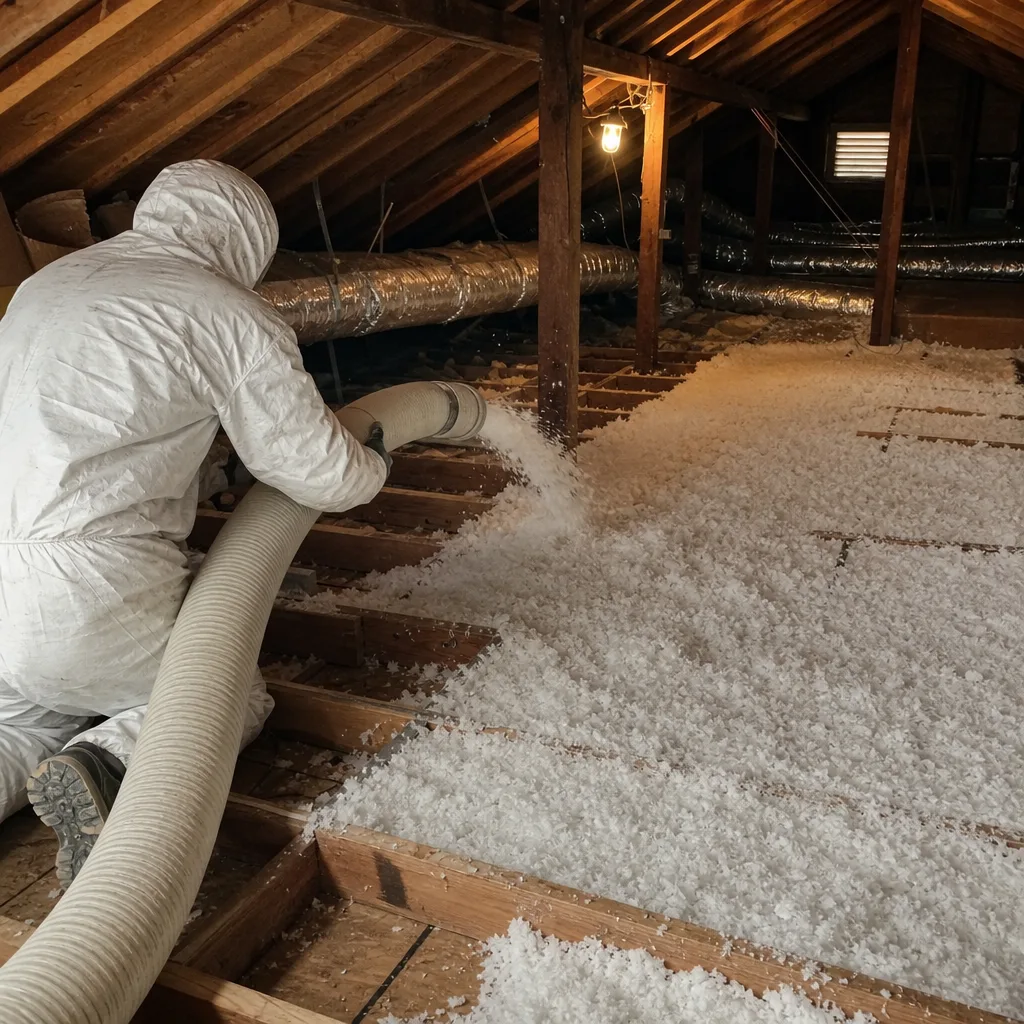
Many west-side Corona roofs have shallow pitches and joist bays that make removal physically demanding. Our crews use vacuum extraction systems that pull old material through a hose rather than raking it toward a single hatch, which means less dust entering the living space and no risk of damaging ceiling drywall from above. After removal, we can inspect the framing, seal bypasses, and prepare the attic for whatever material suits the home’s structure and budget.
Insulation Contractors in Corona
Insulation contractors in Corona aren’t all the same, and the difference shows up in the details: how they air-seal before insulating, whether they check soffit ventilation, and whether they understand what Santa Ana winds do to an attic’s intake screens. Placentia Insulation approaches every Corona job as an air-sealing project first and a material installation second. For a typical attic insulation project in Corona, homeowners can expect to pay between $1,800 and $4,500 depending on attic size, access, and chosen material, while a simple top-up over reasonably healthy insulation often runs $900 to $1,800.
Air-Sealing Before Insulation
In Corona’s wind corridor, a leaky attic isn’t just an energy problem, it’s a dust problem. Gaps around top plates, recessed lights, and plumbing penetrations let wind-driven air push dust and heat down into living spaces every time a Santa Ana event blows through. We seal those pathways with foam or caulk before any insulation goes down, because insulation alone won’t stop air movement.
Checking Vents and Soffit Screens Before We Add Material
Attic vents and soffit screens in Corona’s older west-side homes routinely load up with fine wind-blown dust and brush-fire ash from the Santa Ana corridor. If intake airflow is choked, the attic overheats, ducts lose efficiency, and moisture lingers. We inspect and clear vent pathways as part of the insulation scope, then confirm airflow before and after install.
Trusted Brands We Service in Corona
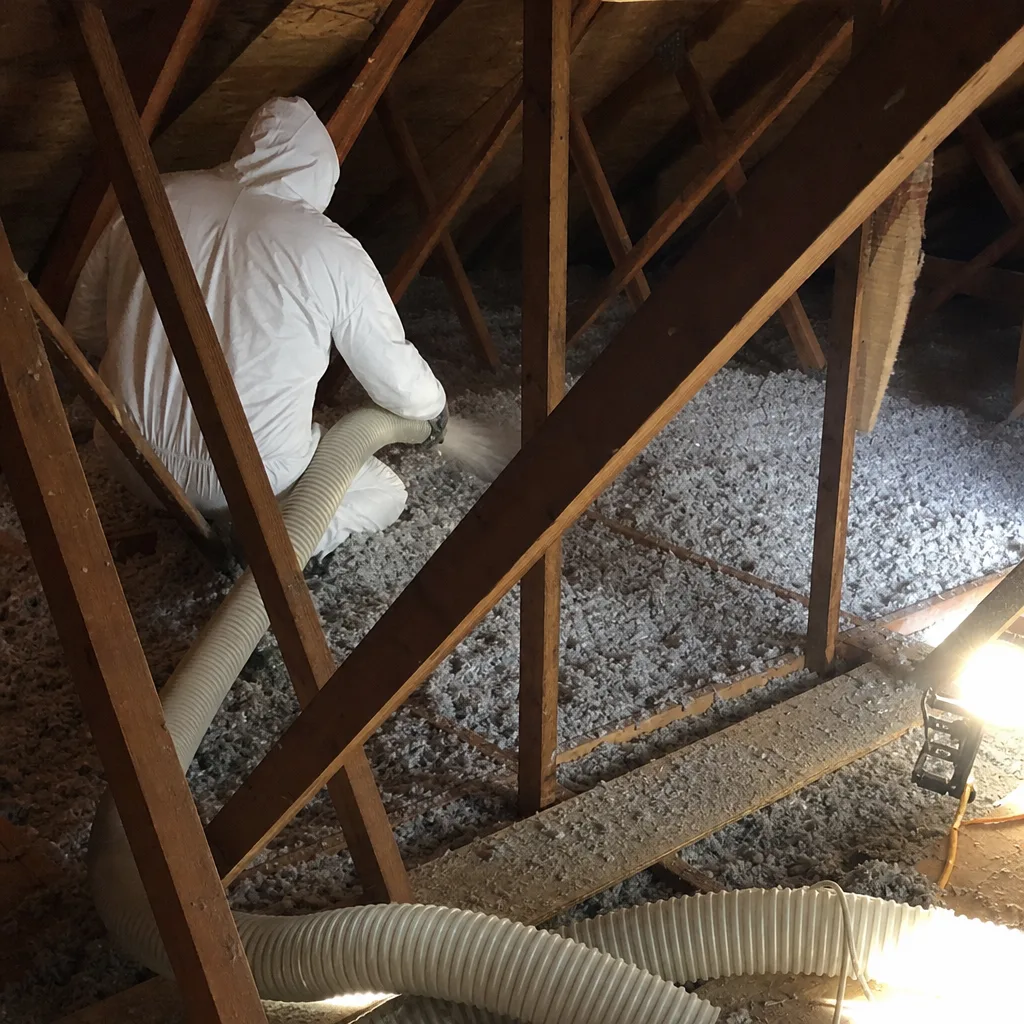
We’re not tied to a single manufacturer, which means your Corona home gets the material that fits its specific attic and wall assembly. For blown-in attic insulation we often turn to CertainTeed or Owens Corning fiberglass, both of which hold loft and deliver consistent thermal performance across the flat, shallow attics in the older tracts. For closed-cell spray foam jobs where air-sealing and structural rigidity matter, we use Demilec and Icynene chemistries, choosing open-cell when the application calls for a lighter, more forgiving foam. For homeowners prioritizing recycled content, GreenFiber cellulose is on the menu. Local material inventory and fast turnaround mean we’re not waiting on a supplier before we can start.
Common Attic Insulation Problems We See in Corona Homes
- Settled 1960s fiberglass in shallow west-side attics. The original low-density fiberglass in many 92879 and 92882 tract homes has compressed to roughly a third of its labeled thickness, leaving the ceiling with far less thermal resistance than the R-value printed on the paper facing. During 100°F+ afternoons, that heat soak migrates straight through the drywall and into rooms below the attic.
- Clogged soffit and attic vents from Santa Ana dust. Wind-driven dust and brush-fire ash from the Santa Ana corridor accumulate in soffit screens and attic vent openings, choking intake airflow and forcing the attic to pull air from the house instead. The result is dusty indoor air, hotter attics, and a furnace or AC system working against itself.
- Unsealed garage ceilings in older west-side tract homes. In many Corona homes, the garage ceiling is barely insulated or sealed, so hot garage air and wind-driven dust have a direct path through the garage into the conditioned envelope. Sealing and insulating that boundary plane makes an immediate difference in how the house holds temperature.
- Engineered-floor cavities in south-hills two-story homes that never got proper wall work. Many 1990s and 2000s production homes in 92881 and 92883 were framed with engineered floor systems that created large, interconnected cavities behind the walls. Dense-pack wall insulation through those cavities is often the piece that takes a south Corona home from “insulated attic, still uncomfortable” to genuinely stable room-to-room temperatures.
Pricing for Attic Insulation in Corona, CA
For an attic insulation removal and full replacement in a typical Corona single-story home, budget $3,000 to $6,500 depending on square footage, access difficulty, and how much old material has to come out first. A top-up over existing but settled insulation usually runs $900 to $1,800, while a full removal-only scope lands between $1,500 and $3,200. South-hills two-story attics tend to be roomier and faster to work in, which helps on labor; west-side shallow attics are tighter and slower, which shows up in the estimate. The free estimate we give you covers material options, scope, and a specific number before any work begins. Call (855) 773-6429 and we’ll walk the attic with you.
We Also Serve Cities Near Corona
Placentia Insulation works across the Inland Empire and northern Orange County, including Home Gardens, El Cerrito Corona, Eastvale, and Norco. If you’re in one of those cities and looking for Attic Insulation help, the same crew that handles Corona’s older attics can take care of you. For homeowners searching Attic Insulation in Corona, we’re a phone call away.
Serving Corona, CA — Our Local Coverage Area
We’re based in the Corona area and know this community well. Use the map below to see our service coverage — if you’re nearby, we can almost certainly help.
FAQs About Attic Insulation in Corona
Yes, and it’s the single biggest factor that separates a Corona attic from one ten miles inland. Wind-driven dust and brush-fire ash enter through ridge vents, gable vents, and soffit screens during Santa Ana events, and if the attic isn’t air-sealed at the top plates and penetrations, that dust gets pushed down into living spaces. We treat air-sealing as the first step of every Corona insulation job, then install material, then verify that venting is clear. Call (855) 773-6429 if your home gets dusty during wind events; it’s a ventilation and sealing problem more often than an insulation problem.
The west-side tracts east of the 91 and around East Grand Boulevard were mostly built between 1950 and 1970 with shallow attic trusses and low-density fiberglass batts that have settled to roughly a third of their labeled thickness over six decades. South Corona’s 1990s and 2000s production homes were built with deeper attic cavities and blown-in insulation that holds loft longer, though it has its own issues with wall cavities and floor-joist leakage. If your west-side attic looks thin, that’s not your imagination; it’s compression, and removal plus air-sealing plus fresh material is the fix.
Yes, and we do it regularly in the shallow west-side attics that would be hard for a homeowner to even crawl through. We use vacuum extraction hoses that pull loose-fill and degraded batts out through a single access point, which keeps dust contained and means we’re not dragging debris across the ceiling joists or drywall from above. The ceiling stays intact, and we’re left with a clean cavity to seal and re-insulate. Call for a walk-through and we’ll show you the access route before we quote.
It depends on the attic and the wall assembly, but in most Corona attics we lean on CertainTeed or Owens Corning blown-in fiberglass for its consistent loft and coverage across shallow bays, Demilec or Icynene spray foam when air-sealing has to be part of the insulation layer itself, and GreenFiber cellulose for homeowners who want a recycled-content option with good sound dampening. The point of carrying eight brands is that the material choice follows the house, not the other way around.
South-hills homes in 92881 and 92883 typically have deeper, more accessible attics and a blown-in fiberglass base that holds R-value reasonably well, but they often lose comfort through engineered floor cavities and interior wall chases that were never sealed or dense-packed. West-side single-story homes have the opposite problem: shallow attics with settled batts and major ceiling-level heat gain. We treat them as different jobs, which is why on a 1960s single-story off East Grand Boulevard we removed compressed fiberglass that had settled to about 3 inches, air-sealed the top plates, blew in fresh Owens Corning to a consistent depth, and cleared the soffit screens so wind-driven dust no longer migrated into the house. The same crew that diagnoses a south-hills floor cavity can walk a west-side attic the same day and tell you exactly what’s wrong.
If your Corona attic hasn’t been inspected in years, or you’re noticing hot rooms, dusty air during wind events, or energy bills that climb every summer, call Placentia Insulation at (855) 773-6429. We’ll walk the attic, show you what’s there, and give you a free estimate with specific numbers and material options.
Written by Alan Whitcomb, Owner at Placentia Insulation, serving Corona and surrounding cities with attic insulation, spray foam, and blown-in insulation work.