
Fast, Reliable Attic Insulation Across Indian Wells
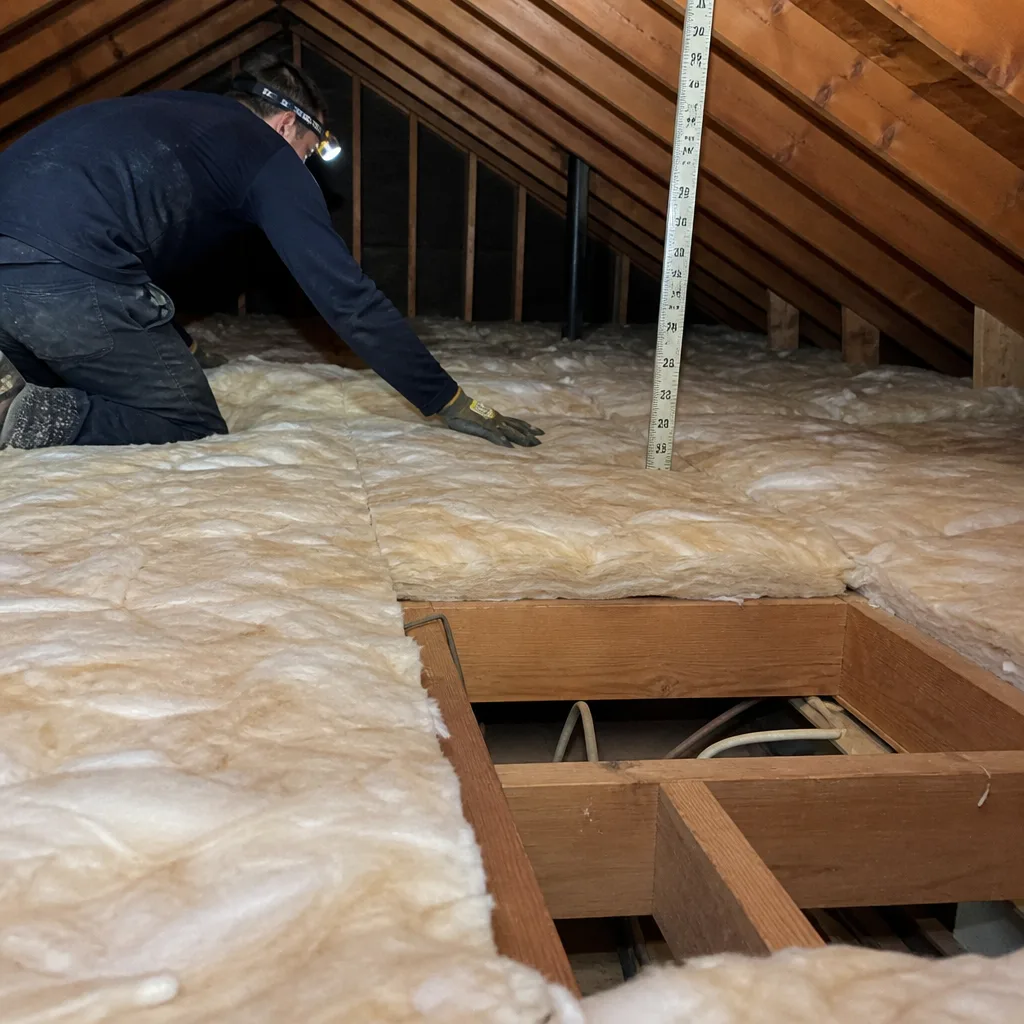
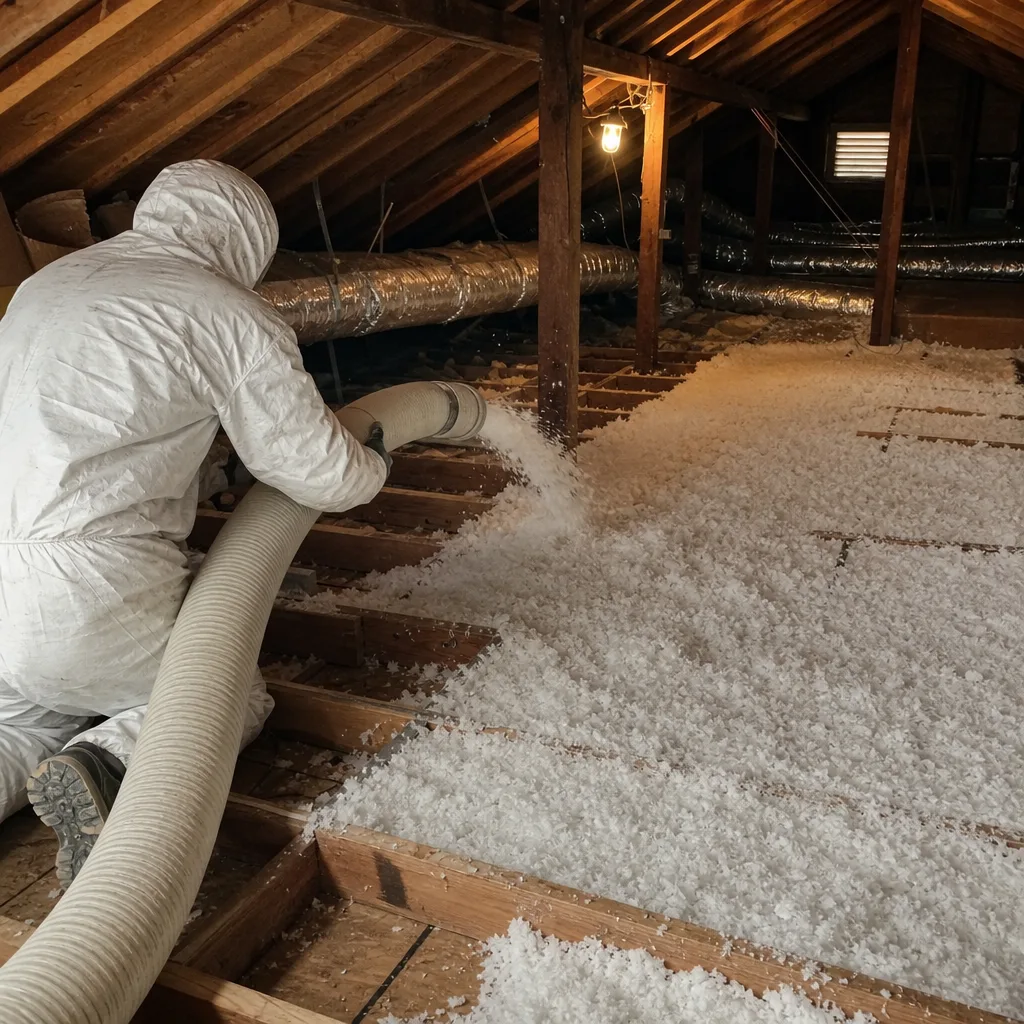
Attic insulation in Indian Wells costs $2,100 – $5,400 for a typical single-story home, with blown-in fiberglass running $2,100 – $3,800 and radiant barrier plus batt combos reaching $4,200 – $5,400. Most jobs are completed in one to two days, and we schedule Indian Wells work within 3 – 5 business days. Call (855) 773-6429 and Alan Whitcomb or a member of his team will give you an honest, line-item estimate before any work begins.
We work in Indian Wells every month, so we know the city’s rhythm: golf cart mornings, quiet afternoons, and HOA rules that shape every exterior decision. Flat roofs, low-pitch roof assemblies, and cathedral ceilings are the norm here. That changes what insulation makes sense. We match the material to the job, not the job to whatever we have on the truck.
Why Placentia Insulation Is Indian Wells’s Preferred Attic Insulation Company
Alan Whitcomb founded Placentia Insulation as a pure-play insulation contractor. We don’t do plumbing, roofing, or general contracting. Every crew member, every tool, and every conversation focuses on one trade. Homeowners in Indian Wells call us because they want someone who can talk R-values, radiant barrier foil, and cathedral-ceiling fill without a sales script.
Our work in Indian Wells spans homes along Fred Waring Drive, properties near the Indian Wells Tennis Garden, and quiet streets in gated communities like Vintage Club and Toscana Country Club. We understand the architectural review process in these neighborhoods. We’ve helped homeowners insulate vaulted ceilings, low-slope roofs, and limited attic spaces without triggering a single notice from their HOA.
We carry eight insulation brands: Owens Corning, Johns Manville, Knauf, Rockwool, CertainTeed, Icynene, Demilec, and GreenFiber. Most insulation shops in the Coachella Valley carry one or two product lines. We carry eight, so your Indian Wells home gets what it actually needs, whether that’s Rockwool for fire resistance near a golf course kitchen exhaust or Icynene open-cell for a tight cathedral ceiling cavity.
Attic Ventilation in Indian Wells
Attic Ventilation in Indian Wells matters because trapped heat above 140°F cooks your insulation, degrades ductwork, and pushes your cooling bill higher every month from May through October. A typical ventilation upgrade in Indian Wells runs $850 – $2,200 depending on roof configuration and whether we need to work from the roof side or through limited access hatches. Most homes here have low-slope or flat roof assemblies where standard ridge-and-soffit ventilation doesn’t apply. We assess what you have, then install what works without changing your roofline.
Low-Slope Roof Airflow Solutions
Many Indian Wells homes built in the 1970s through 1990s have shallow attic cavities with inadequate airflow. We install low-profile vents and baffles that keep air moving without visible exterior penetrations. The work passes architectural review because we design to the community’s existing vent profiles.
Duct Sealing During Ventilation Work
Leaky ducts in hot attic spaces are one of the biggest energy drains we see along Highway 111 corridor homes. While we’re in the attic addressing ventilation, we seal and insulate duct runs. That single step can reduce cooling loss by 20 – 30%.
Radiant Barrier in Indian Wells
Radiant Barrier in Indian Wells is not optional if your attic hits 140°F in July, which most do by noon. A radiant barrier installation here typically costs $1,800 – $3,600 depending on the roof area and whether we’re stapling foil to rafters or laying it over existing insulation. Indian Wells gets over 300 days of sun a year, and reflective foil blocks 95% of radiant heat transfer when installed correctly. That’s the single most effective heat-gain control for Coachella Valley homes with low-slope roofs where adding thick blown-in insulation isn’t structurally practical.
Golf-Course-View Compatibility
Homes backing up to fairways in Indian Wells Country Club or surrounding communities face architectural review that scrutinizes any visible roof change. We install radiant barriers from within the attic or through discreet access. Nothing changes on the exterior. No vents appear. No profile shifts. The reflectivity does the work silently.
Under-Tile and Under-Deck Installations
For homes with clay tile roofs common in older Indian Wells neighborhoods, we install radiant barrier beneath the decking or directly under the tile during partial re-roofing sequences. This preserves the traditional look while cutting attic temps by 20 – 30°F. If architectural review is involved in a re-roof, we coordinate with the roofing timeline to keep insulation work compliant.
Trusted Brands We Service in Indian Wells
We stock materials from an eight-brand library so we can service whatever your home already has while upgrading strategically. Attic Insulation work in Indian Wells often involves blending new material with existing: CertainTeed batts on top of older fiberglass, Demilec closed-cell spray foam into a cathedral ceiling, or Rockwool mineral wool where fire resistance matters near a built-in barbecue or golf course landscaping. Because we stock these locally in Placentia and stage materials before we arrive, turnaround for Indian Wells jobs stays tight. We don’t make homeowners wait two weeks for a brand a competitor has to special-order.
Common Attic Insulation Problems We See in Indian Wells Homes
- Architectural review violations from visible vent changes. Homeowners add roof vents or whirlybirds to cut attic heat, then get an HOA notice because the street-facing profile changed. In Indian Wells, even a golf-course-side vent visible from a neighboring tee can trigger review. We design ventilation that stays within existing profiles.
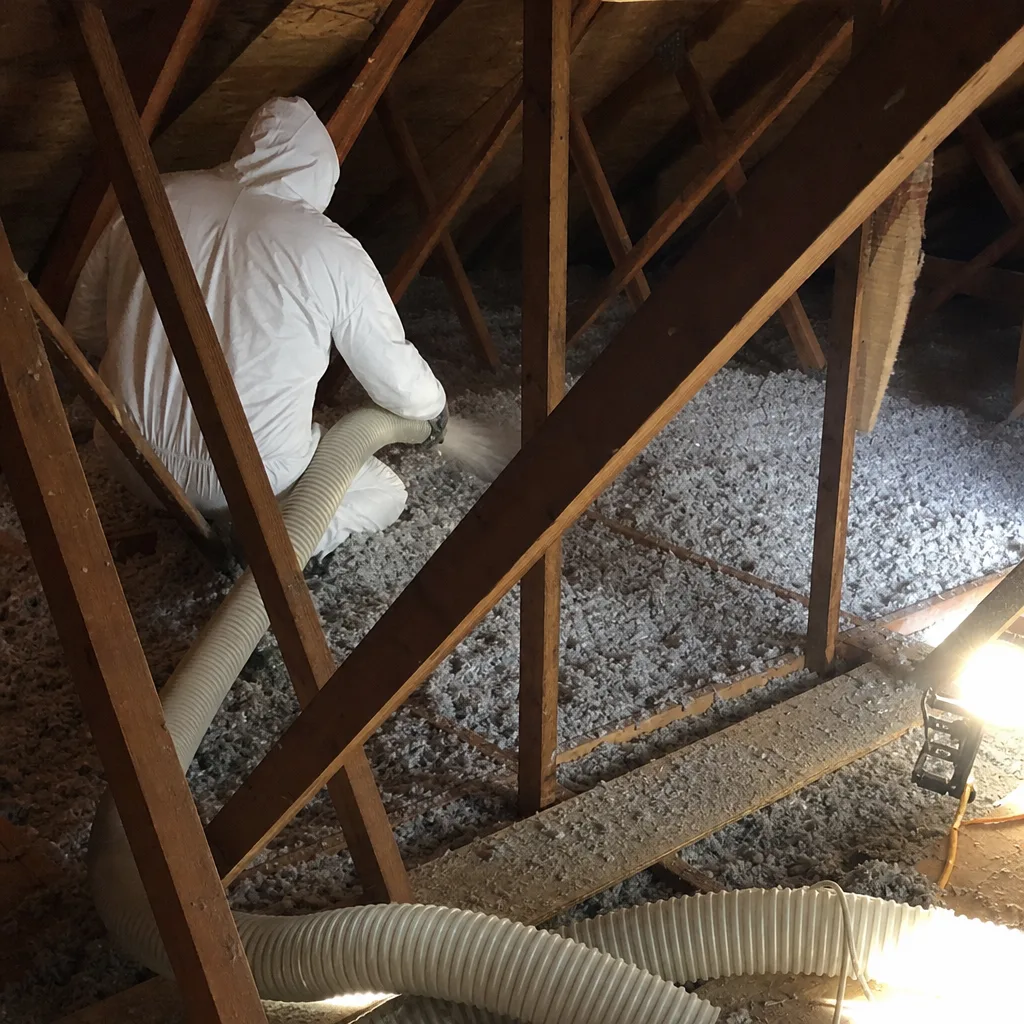
- Blown-in insulation blocking airflow in low-slope cavities. Indian Wells has many flat and low-pitch roofs with minimal attic space. Standard blown-in cellulose or fiberglass fills cavities and chokes ventilation, causing moisture buildup that shows up as peeling ceiling paint or warped drywall in second-story rooms.
- Radiant barrier installed against the wrong roofing assembly. Foil stapled incorrectly over shingles or laid over wet insulation loses most of its reflectivity. We see this in Indian Wells homes where previous contractors treated radiant barrier as a universal fix without checking attic conditions first.
- Cathedral ceilings with zero insulation or compressed old batts. Many custom homes near El Dorado Drive and around Indian Wells Tennis Garden have vaulted ceilings finished with drywall directly over rafters. The insulation cavity is 2×6 or 2×8 shallow. Old fiberglass batts get compressed, lose R-value, and rooms over the garage or great room spike 10 – 15°F hotter than the rest of the house in summer.
Pricing for Attic Insulation in Indian Wells, CA
| Service | Typical Range in Indian Wells |
|---|---|
| Blown-in attic insulation (fiberglass or cellulose) | $2,100 – $3,800 |
| Attic batt insulation (R-30 to R-38) | $1,900 – $3,400 |
| Attic insulation top-up (over existing) | $1,400 – $2,600 |
| Full attic insulation removal and replacement | $3,200 – $5,400 |
| Attic baffles and ventilation prep | $700 – $1,800 |
| Radiant barrier installation | $1,800 – $3,600 |
| Cathedral ceiling insulation (spray foam or dense-pack) | $2,800 – $5,200 |
Indian Wells pricing runs slightly above Palm Desert or Indio because of access constraints: limited attic hatches, architectural review coordination, and flat-roof work sequences that require more prep. Square footage, ceiling height, existing insulation condition, and whether we need to work from the roof side all move the number. Every estimate from Placentia Insulation is free and comes with line-item breakdowns, not a single lump sum. Call (855) 773-6429 and Alan will walk you through what your specific home needs.
We Also Serve Cities Near Indian Wells
Our crews serve the entire Coachella Valley, including Palm Desert, La Quinta, Bermuda Dunes, and Rancho Mirage. Each city has its own architectural review quirks, and we handle those differences in-house. If you own property beyond Indian Wells, call us and we’ll let you know what to expect for insulation work in your specific community.
Serving Indian Wells, CA — Our Local Coverage Area
We’re based in the Indian Wells area and know this community well. Use the map below to see our service coverage — if you’re nearby, we can almost certainly help.
FAQs About Attic Insulation in Indian Wells
In most Indian Wells communities, adding insulation inside the attic does not require HOA approval because no exterior change occurs. However, adding or moving roof vents, exhaust penetrations, or anything visible from the street or golf course typically requires architectural review. We design most Indian Wells retrofits to keep everything inside the attic envelope, so you avoid the review process entirely. Call (855) 773-6429 and we’ll tell you whether your specific project triggers review.
A radiant barrier reflects radiant heat rather than absorbing it, which matters in Indian Wells because the sun beats on your roof 300-plus days a year and attic temps routinely exceed 140°F. In the Vintage Club community, we installed a radiant barrier and R-13 batt system through a minimal-access hatch on a low-pitch roof over a vaulted ceiling. Attic temperatures dropped from over 140°F to under 120°F and the homeowner’s summer cooling costs fell roughly 20%. The work passed architectural review without a single visible exterior change.
Yes. We insulate cathedral ceilings in Indian Wells using dense-pack cellulose, open-cell spray foam like Icynene, or mineral wool panels installed from within the cavity or through a discreet interior access point. No exterior modifications. No new roof penetrations. The insulation does its work inside the existing profile, which keeps architectural review out of the equation.
HOA compliance in Indian Wells is about what’s visible, not what brand you use. Owens Corning, CertainTeed, Rockwool, and Icynene products all install invisibly when the work stays inside the attic or ceiling cavity. We choose materials based on your roof assembly and performance goals, then install them so nothing changes on the street or golf-course side.
For low-slope roofs with minimal or no attic cavity, we use low-profile vents, rafter-bay baffles, and sometimes dense-pack insulation that keeps a defined ventilation channel below the roof deck. The goal is consistent airflow without visible penetrations. In Indian Wells, where HOA review can flag even a small vent change, we prioritize internal airflow paths over exterior vent additions.
Written by Alan Whitcomb, Owner at Placentia Insulation, serving Indian Wells and the Coachella Valley.