
Fast, Reliable Attic Insulation Across Lake Forest
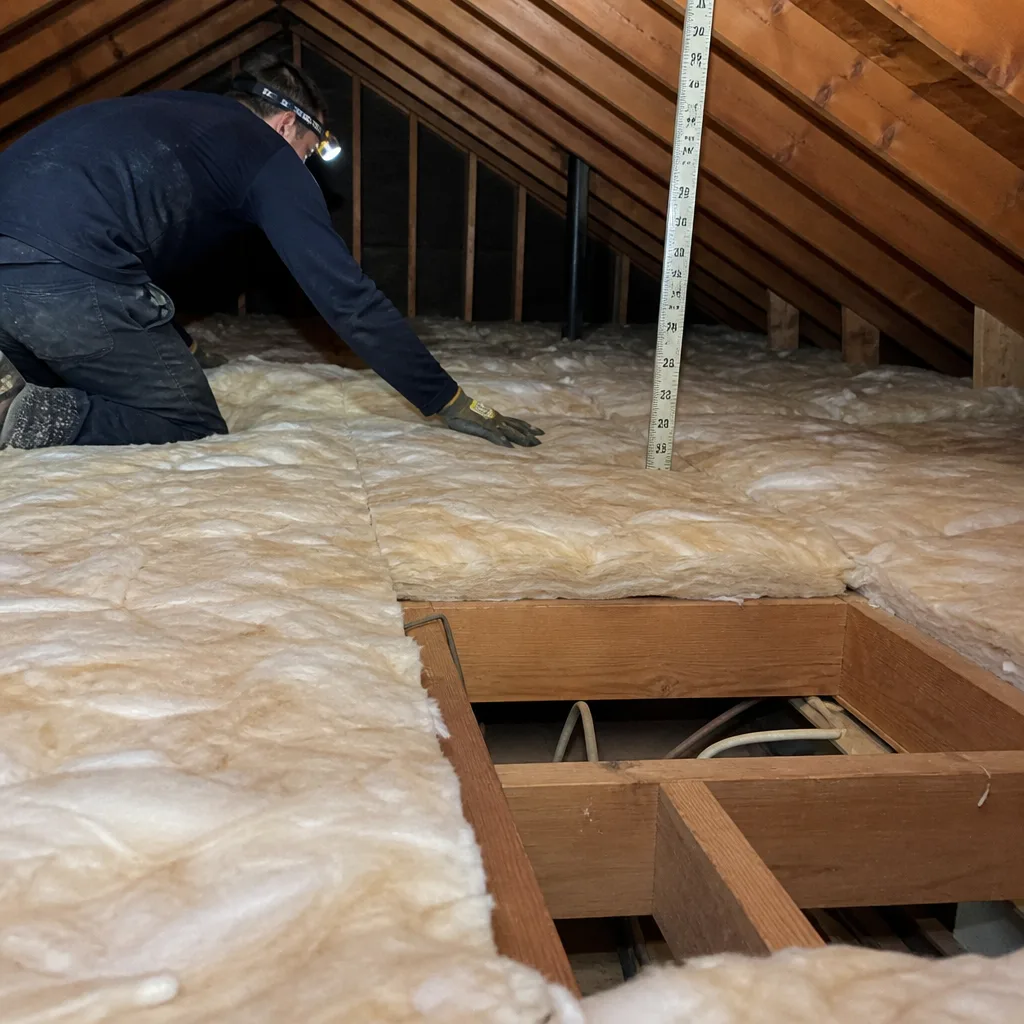
Attic insulation in Lake Forest is rarely a simple top-off job. In the 1970s through 1990s tracts that make up most of this city, we routinely find original R-11 and R-13 batts slumped to the attic floor, rodent-nested, or compressed under decades of re-roof debris. The result is bare drywall across half the ceiling and upstairs rooms that bake all summer. Placentia Insulation serves Lake Forest homeowners with materials matched to the actual problem, not whatever is on the truck. We stock eight insulation brands, including Owens Corning, Icynene, and GreenFiber, and we respond to Lake Forest calls within one business day. Call (855) 773-6429 for a free attic assessment.
Why Placentia Insulation Is Lake Forest’s Preferred Attic Insulation Company
We are a dedicated Attic Insulation contractor, not a generalist. Every conversation our crews have in Lake Forest is about insulation: how air moves through a 1978 tract home off Rockfield, why the attic hit 145°F in August, what R-value actually makes sense here. That single-trade focus means we know the housing stock. Lake Forest was master-planned and built out mostly from the late 1960s through the 1990s, which means wood-frame construction, pitched attics, and original batt or loose-fill insulation that has thinned and settled after 40 to 50 years of inland heat. Alan Whitcomb, our owner, has built the company around matching the right material to each job. Eight brands. Three methods. One specialty.
Lake Forest homeowners consistently tell us the same thing: they’ve had three different contractors give three different answers, and none of them could explain why. We can explain why. If your home off El Toro Road still has original R-11 batts, we’ll show you the R-value math for a Lake Forest summer. If you have a shallower attic cavity in an older pocket near the original core, we’ll recommend a material that fits the depth. That specificity is why we’ve become the company Lake Forest property owners call when they want one correct answer, not a sales pitch.
Attic Cleaning Services in Lake Forest
Attic Cleaning Services in Lake Forest are almost always needed before new insulation goes in, because the attics here have decades of accumulation in them. Rodent droppings, old nesting material, re-roof shingle grit, and compressed insulation dust sit on top of and inside whatever insulation remains. You cannot blow new fiberglass over that and call the job done. In Lake Forest’s older tracts, we remove the contaminated material, vacuum or bag the debris, sanitize the deck, and prep the attic for fresh installation. A typical attic cleaning in Lake Forest runs $1,200 to $2,800, depending on attic size, access, and the extent of rodent or moisture damage. If re-roof debris is severe, expect to be at the higher end.
Rodent Debris and Contamination Removal
The 1970s and 1980s tracts off Rockfield and El Toro Road have shallow attic cavities that rodents love. We find tunnels through old fiberglass, droppings compressed into batts, and in some cases gnawed wiring sheathing around the top plates. Removing that material properly means more than raking it out; it means sealing the entry points at the soffit and gable before new insulation traps the problem again. Homeowners in the 92630 zip code who’ve had repeated rodent issues benefit most from this: remove, sanitize, air-seal, then insulate. The sequence matters.
Re-Roof Debris and Shingle Grit
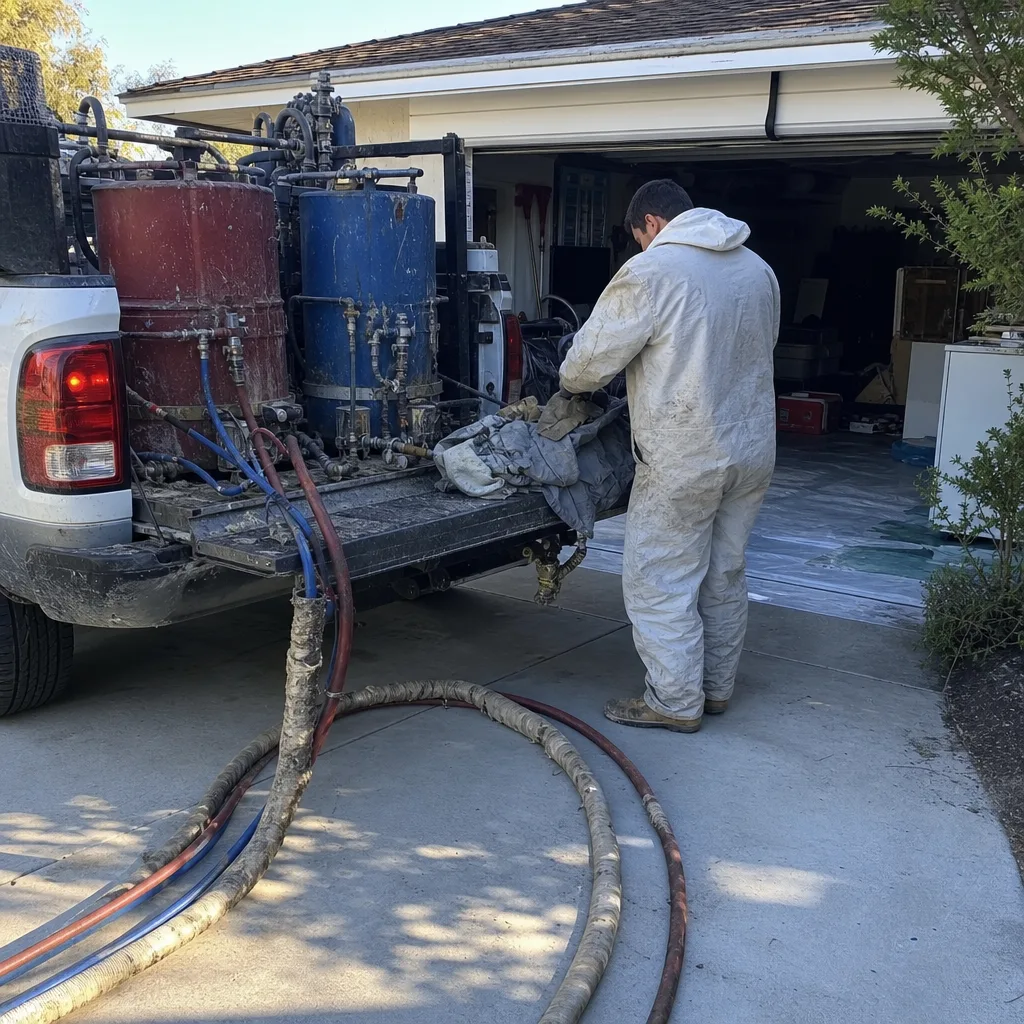
Lake Forest homes built before the 2000s have survived at least one and often two re-roofs. Each re-roof sends a rain of shingle grit, nail shards, and paper fragments into the attic, especially on older wood shake-to-composite conversions. That debris compresses the original batts so hard they lose half their loft, and the grit works into the drywall texture. A proper attic cleaning in Lake Forest removes that layer and restores a clean deck before new insulation is placed. Skip this step, and your new R-38 performs closer to R-19.
What happens when you call
- 1
A real person answersNo phone trees — you reach a local pro.
- 2
You get an upfront price rangeHonest numbers before anyone is dispatched.
- 3
A background-checked tech heads outLicensed & insured, dispatched right away.
- 4
You approve before work beginsNothing starts until you say go.
Attic Mold Removal in Lake Forest
Attic Mold Removal in Lake Forest is a common call in the wetter winter months, when poorly vented attics trap moisture against the sheathing and the top plates. Inland heat dries things out in summer, but the damage done during a wet February can persist for years. If your Lake Forest attic shows dark staining on the sheathing, peeling paint near the gable vents, or a musty odor that gets worse after rain, you likely have mold growth. We remove the affected insulation, treat the framing and sheathing with an antimicrobial, address the ventilation deficiency, and install new insulation that won’t harbor moisture. Attic mold remediation in Lake Forest typically runs $1,500 to $3,500, depending on the square footage of affected sheathing and the extent of insulation replacement needed. Leaving it alone means mold spores circulating through your HVAC returns and into living spaces.
Ventilation Deficiencies That Cause Mold
Many Lake Forest homes were built with marginal attic ventilation by today’s standards. Soffit vents were undersized, ridge vents were not part of the original design, and in some older pockets the gable vents are the only way air moves. When hot, moist air from the living space leaks through unsealed top plates and can lights, it condenses on cool sheathing in winter. That is the mold starting point. Fixing the ventilation before new insulation goes in is not optional; it’s the difference between a ten-year fix and a repeat problem in two winters.
Insulation Replacement After Mold Remediation
You cannot simply spray a moldy batt and reuse it. The insulation itself is porous, organic in the case of cellulose, and holds both spores and the mycotoxins that come with them. In Lake Forest, after a mold removal we replace contaminated fiberglass or cellulose with fresh material, typically GreenFiber blown-in cellulose or new fiberglass batts depending on the attic configuration. This complete removal-and-replace approach is the only way to guarantee the mold does not re-establish. We have done this work throughout 92630 and know which attics are most prone: the ones with unsealed plumbing penetrations and bath fans terminating in the attic instead of through the roof. Those details are what we fix first.
Trusted Brands We Service in Lake Forest
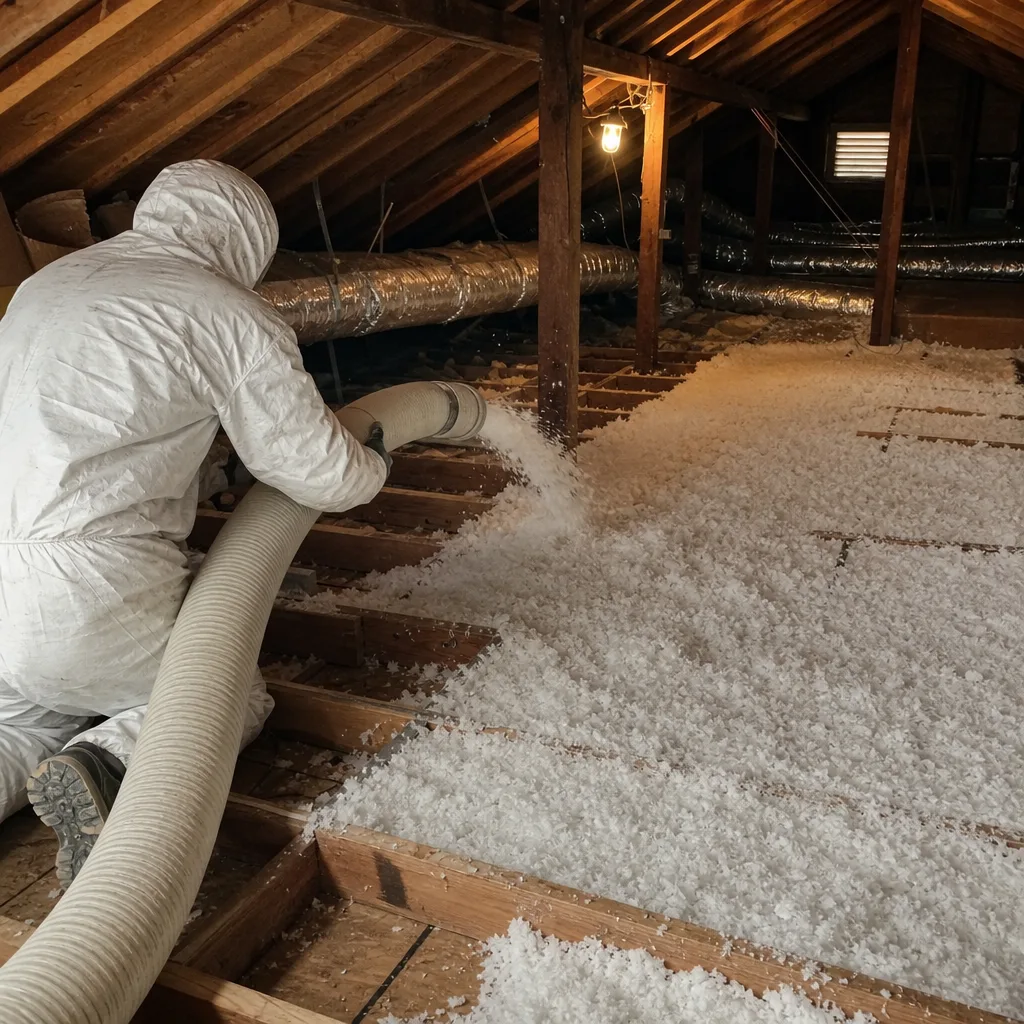
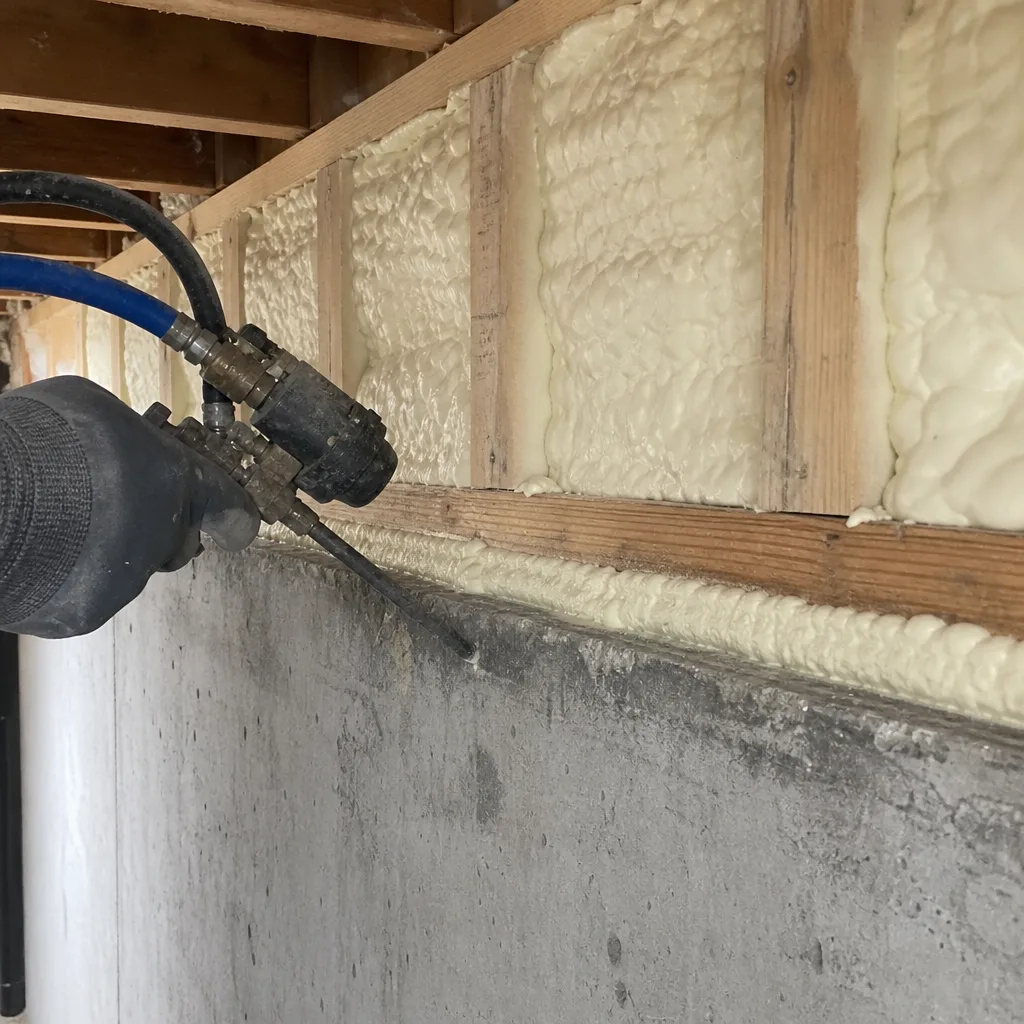
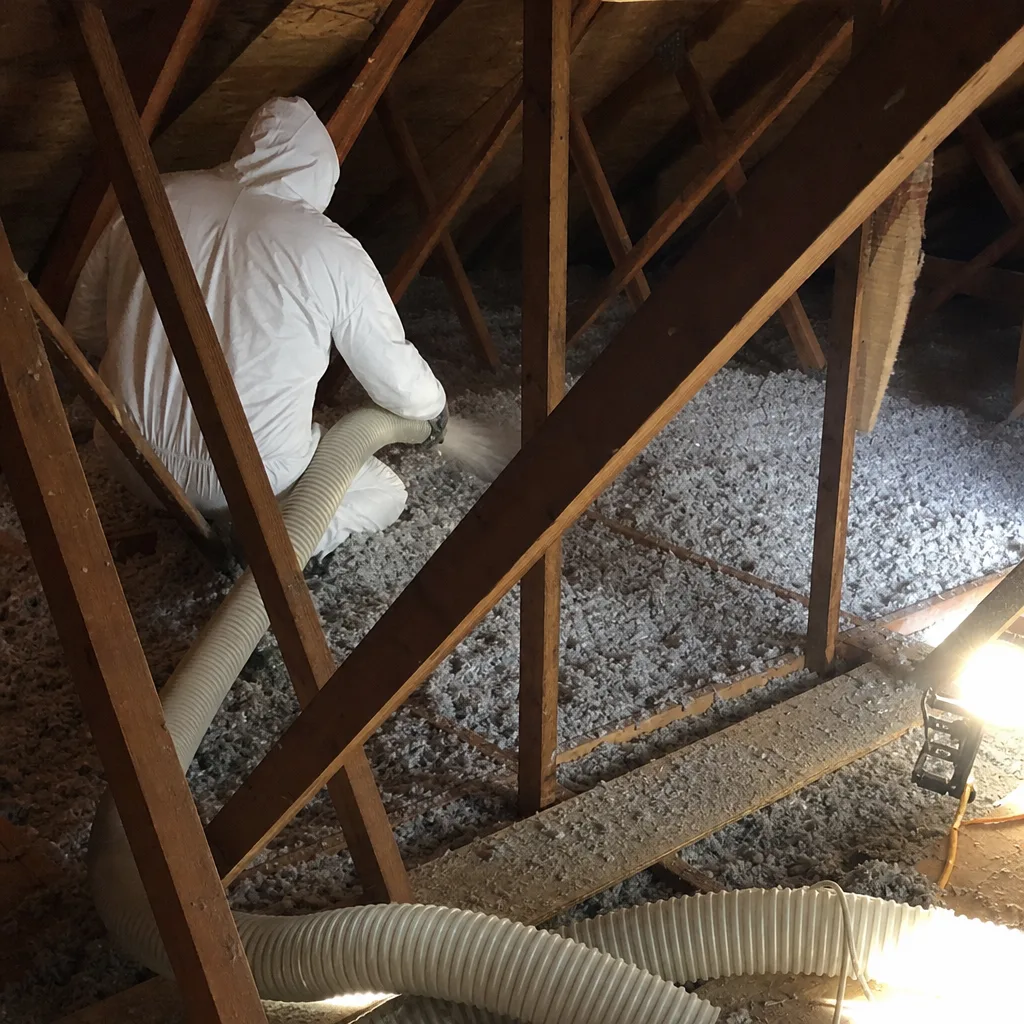
We install and service insulation from eight brands, including Reflectix service in Lake Forest, and for Lake Forest homeowners that means we match the product to the problem rather than the problem to whatever one supplier carries. Owens Corning, Icynene, Demilec, and GreenFiber are among the lines we regularly install here. Need open-cell Icynene spray foam for a tight, shallow attic cavity off Rockfield? We have it. Want GreenFiber blown-in cellulose for an R-49 retrofit on a 1970s tract home? We stock it. Most insulation contractors in Orange County carry one or two product lines. We carry eight, because the right answer for a Lake Forest attic with shallow cavities is not the same as the right answer for a newer Foothill Ranch home with high ceilings. Local inventory means we are not waiting on a supplier order to start your job.
Common Attic Insulation Problems We See in Lake Forest Homes
- Bare drywall from slumped original batts. In Lake Forest’s 1970s through 1990s tracts, original R-11 and R-13 batts are routinely found slumped to the attic floor, leaving large areas of ceiling with no insulation at all. On a recent 1978 tract home off El Toro Road, we found bare drywall over 60% of the ceiling before we could even quote a top-off.
- Rodent tunnels and nesting in old fiberglass. The shallow attic cavities in older Lake Forest pockets, especially near Rockfield, give rodents easy access through soffit gaps. We find tunnels through the batts and droppings compressed into the fiberglass, which destroys the insulation’s already limited R-value.
- Re-roof debris compressing old batts. Every re-roof sends shingle grit, nails, and paper into the attic. That debris works its way into old batts, compressing them hard enough to cut their rated R-value in half, especially in homes that have been re-roofed twice.
- Attic temperatures above 140°F degrading insulation over time. Lake Forest summers regularly push attic temperatures past 140°F. That sustained heat causes fiberglass batts to lose loft, loose-fill to settle unevenly, and radiant barriers to delaminate. Insulation that was adequate in 1985 is not adequate in today’s summer conditions.
Pricing for Attic Insulation in Lake Forest, CA
A full attic insulation replacement in Lake Forest typically runs $3,800 to $7,500 for a single-family home, depending on square footage, attic depth, and whether old material needs removal. A top-up over existing insulation runs $1,800 to $3,200. Blown-in GreenFiber to R-49 on a 1,500-square-foot attic usually lands around $3,500 to $4,800. Spray foam costs more: open-cell Icynene typically runs $4,500 to $8,000 for a standard Lake Forest attic because it air-seals while insulating. Attic cleaning and mold removal are separate line items, as detailed above. The biggest cost variable in Lake Forest is whether old material must be removed first; homes built in the 1970s almost always require it. Call (855) 773-6429 for an exact quote, free of charge.
We serve Lake Forest and surrounding areas from our Placentia base, which keeps our response times fast and our familiarity with this housing stock deep.
We Also Serve Cities Near Lake Forest
In addition to Attic Insulation in Lake Forest, we serve Foothill Ranch, Portola Hills, Mission Viejo, and Laguna Woods. We’re familiar with the tract layouts, attic configurations, and building patterns in each of these communities. Call (855) 773-6429 and we’ll schedule your assessment.
Serving Lake Forest, CA — Our Local Coverage Area
We’re based in the Lake Forest area and know this community well. Use the map below to see our service coverage — if you’re nearby, we can almost certainly help.
FAQs About Attic Insulation in Lake Forest
No, it almost certainly is not. Original 1970s insulation in Lake Forest homes was typically R-11 or R-13 fiberglass batts, and after 40 to 50 years of inland heat, rodent activity, and re-roof debris, most of it has compressed to a fraction of its original loft. In our inspections of original-core Lake Forest homes, we routinely find bare drywall across large ceiling areas where batts have slumped away from the top plates. Today’s recommended minimum for an inland Orange County attic is R-38, and we often recommend R-49. If your home has never had an insulation upgrade, you are bleeding cooling dollars every summer. Call (855) 773-6429 for a free attic inspection to see what is actually up there.
You generally cannot tell from looking at the attic floor alone. Rodent tunnels run inside the insulation layer, and droppings are often buried under loose-fill or inside old batts. Signs you might have rodent damage include: acorn shells or food debris near the attic access, gnaw marks on exposed framing or wiring sheathing, scratching sounds in the ceiling at night, or a musty odor in rooms below the attic. In Lake Forest’s older tracts off Rockfield and El Toro Road, shallow attic cavities make rodent entry through soffit gaps more common. If you suspect rodents, we recommend an attic inspection before adding new insulation. Adding insulation over a rodent-damaged attic seals in the contamination and gives rodents a fresh bed to tunnel through. Call (855) 773-6429 and we’ll do a full assessment.
R-38 is the minimum we recommend for a Lake Forest attic, and R-49 is our typical recommendation for single-family homes. The reason is the heat. Lake Forest summers regularly hit 90s and low 100s, and attic temperatures exceed 140°F in peak sun. That sustained heat radiates through whatever insulation is there. Energy codes for inland Orange County now assume R-38 as a baseline, but older homes predate those requirements. If your attic has shallow cavities, especially in the 1960s and 70s pockets near the original core, achieving R-49 may require blown-in cellulose or dense-pack fiberglass rather than batts. We’ll measure the cavity depth and recommend a material that actually fits your home. Free estimates at (855) 773-6429.
Yes, a radiant barrier is one of the most effective upgrades for a Lake Forest attic because our cooling season is the main problem. A radiant barrier stapled to the underside of the rafters reflects radiant heat before it can transfer into the insulation and living space below. With attic temperatures regularly above 140°F in this city, a properly installed radiant barrier can reduce ceiling heat gain by 20 to 30 percent, which translates directly to lower upstairs temperatures and less AC runtime. The combination of air-sealing, upgraded insulation, and a radiant barrier is what we recommend most often for 1970s through 1990s Lake Forest homes. It is a retrofit, not a repair. If you want to know what your specific attic would gain, call (855) 773-6429.
Replace it if the original insulation is from the 1970s or 1980s, because the material has degraded past usefulness. Repair or top-up if the insulation is less than 15 years old and the problem is localized, such as a small void from HVAC work or a few displaced batts near the attic access. In practical terms for Lake Forest: if your home was built before 1990 and still has original batts, replacement is almost always the right call. If you had insulation added in the 2000s and just need to fill a few gaps, a targeted top-up makes more sense. We will never push a full replacement when a repair will do the job. Call Alan Whitcomb’s team at (855) 773-6429 for an honest assessment.
Written by Alan Whitcomb, Owner at Placentia Insulation, serving Lake Forest and Orange County with dedicated attic insulation expertise.