
Fast, Reliable Attic Insulation Across Midway City
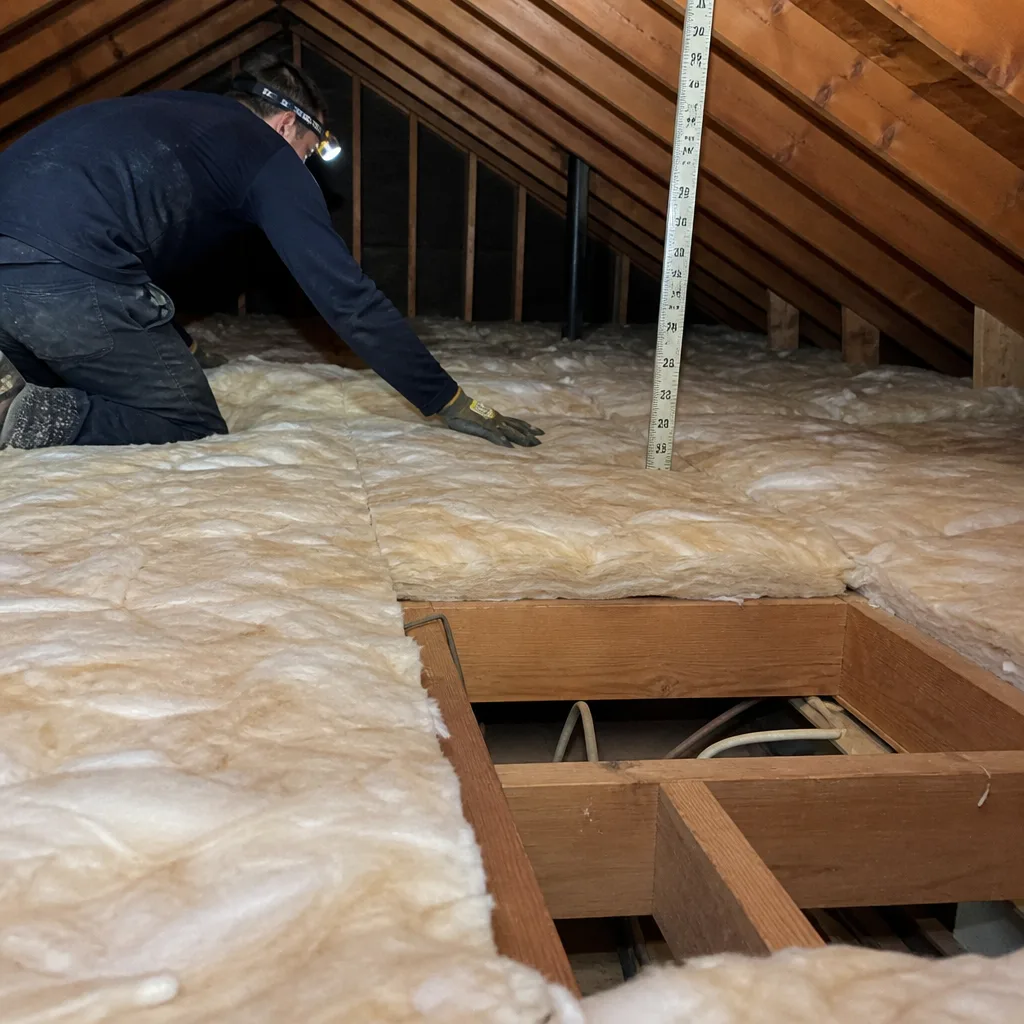
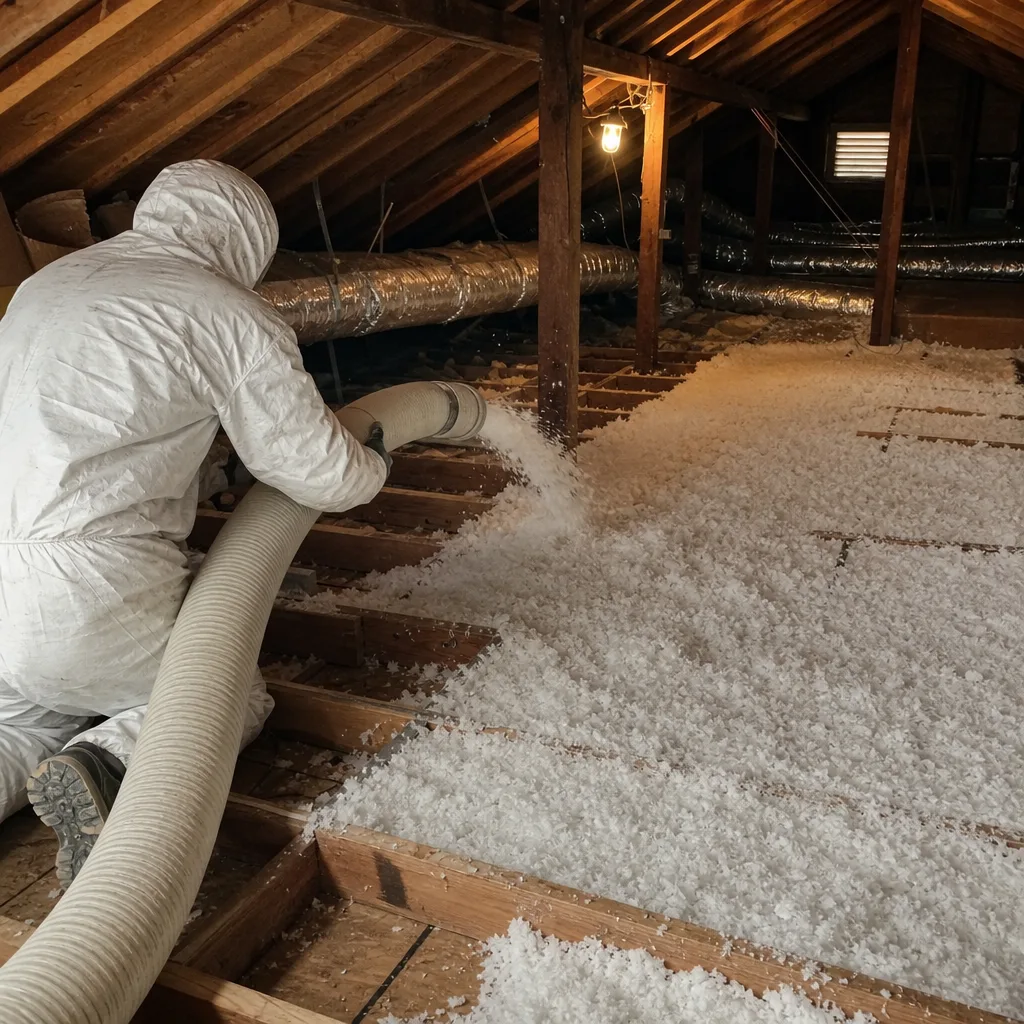
Attic insulation in Midway City is a different job from what homeowners in inland Orange County deal with. The 1950s ranch houses that fill this pocket of west Orange County were built when energy was cheap and insulation was an afterthought, so most attics here are under-insulated, poorly ventilated, and sitting on framing that was never designed to carry a modern insulation load. Our crews know the houses between Bolsa Avenue and Westminster Boulevard, the ZIP code 92655, and the specific challenges that come with them. We’re Placentia Insulation, and if you’re in Midway City and ready to stop paying for conditioned air that escapes through your ceiling, call (855) 773-6429 for a free estimate.
Why Placentia Insulation Is Midway City’s Preferred Attic Insulation Company
Most insulation contractors carry one or two product lines. We carry eight – Owens Corning, Johns Manville, Knauf, Rockwool, CertainTeed, Icynene, Demilec, and GreenFiber – which means the recommendation you get from us is based on what your 1955 ranch actually needs, not what we happen to have on the truck. Alan Whitcomb built Placentia Insulation around a simple principle: match the material to the job. That’s why a Midway City homeowner with original knob-and-tube wiring and unsupported ceiling joists doesn’t get the same treatment as a newer Fountain Valley tract home. Different house, different fix.
Our crews work in Midway City regularly. We know that the 1950s homes here were thrown up fast for the aerospace boom, often with 2×4 ceiling joists spaced 24 inches on center and no mid-span blocking. That changes how we approach every blow-in job. We check framing before we load a hopper. We look for what’s actually in the attic before we quote – not after. And our response time to Midway City from our Placentia shop is typically same-week, because this is our territory, not a detour.
Attic Ventilation in Midway City
Attic Ventilation in Midway City is where a lot of insulation projects should start, and we mean that literally. The marine-layer mornings and warm afternoons here create a condensation cycle that punishes a sealed-up attic. Moisture rises from the living space, hits the cooler underside of the roof deck, and turns to water. Then the salty air that rolls in off the coast corrodes vent screens and fasteners faster than any inland city. The knee-jerk solution is to pile on more insulation, but without working ventilation that just moves the problem around – and in a 1950s ranch with original gable or static roof vents, the problem is already there.
Restoring Air Movement in Original Vented Attics
Older Midway City homes usually have some ventilation already – a pair of gable vents or a few static roof louvers. But those screens rust out in coastal air, and once they clog, the attic stops breathing. We replace corroded screens, verify that soffit intakes are actually open, and balance the intake-to-exhaust ratio before any insulation goes in. It’s not glamorous work, but it’s the difference between an attic that stays dry in June gloom and one that sweats.
When Insulation Alone Won’t Solve the Problem
If a Midway City homeowner tells us about damp insulation, peeling paint on ceilings, or rusted nail heads showing through drywall, ventilation is usually part of the story. We recommend an attic ventilation assessment before any top-up or replacement. Depending on the condition of the existing vents and the size of the attic, typical ventilation repair or upgrade work in Midway City runs $400 to $1,200 when bundled with insulation – but every house is different, and we’ll show you exactly what’s there before we touch anything.
Radiant Barrier in Midway City
Radiant Barrier in Midway City does what fiberglass and cellulose can’t: it reflects heat instead of just resisting its flow. That matters here because west Orange County gets real heat, not the soft coastal version. When the afternoon sun pounds a dark composition roof, the underside of that roof deck can hit 140 degrees. A radiant barrier stapled to the underside of the rafters bounces a lot of that energy back out, which can take 8 to 10 degrees off the attic air temperature. For single-story homes with ductwork running through the attic – and most Midway City ranches are exactly that – that means the HVAC system isn’t fighting a 120-degree oven to deliver cool air.
Measuring Whether a Barrier Makes Sense in Your Attic
Not every house needs a radiant barrier. It performs best with a roof that gets direct sun and an attic that stays vented. We evaluate the roof orientation, the heat gain pattern, and what’s already up there before recommending one. It’s not a replacement for insulation – it’s a supplement. But for west-facing Midway City homes that get hammered by afternoon heat, a properly installed radiant barrier can be one of the best dollars-per-degree investments you’ll make.
Material Choice for Coastal and Santa Ana Conditions
We install radiant barriers with reinforced foil facing, not the flimsy single-layer product that tears during installation. A standard radiant barrier install in a Midway City attic typically runs $800 to $1,700 depending on roof area and accessibility, and it works regardless of whether you have batt insulation, loose-fill, or plan to add it later. It also doesn’t care about salt air the way metal vents and fasteners do – one less corrosion point in a coastal house.
Trusted Brands We Service in Midway City
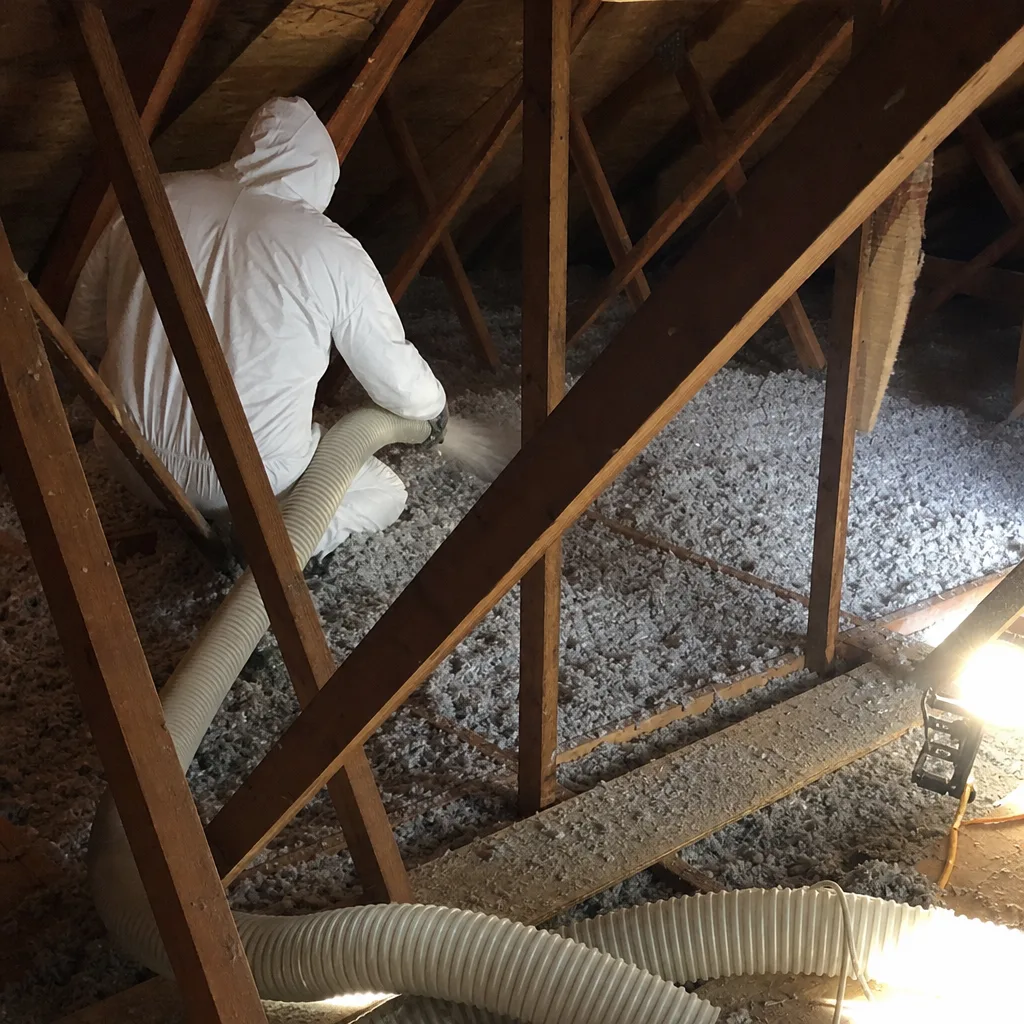
We stock and install eight industry-leading insulation brands, including Rockwool mineral wool, CertainTeed fiberglass, Icynene open- and closed-cell spray foam, Demilec spray foam, and GreenFiber blown-in cellulose. That’s a wider material library than almost any insulation contractor in Orange County, and it means we can spec Rockwool for a Midway City homeowner who wants fire resistance and sound dampening, or Demilec closed-cell for a low-slope roof that can’t handle a thick fiberglass layer. Because we stock these materials locally, turnaround for Midway City jobs is measured in days, not weeks. Our local inventory means less waiting on backordered supply.
Common Attic Insulation Problems We See in Midway City Homes
- Sagging or cracked ceilings from unsupported joists. The original 1950s framing between Bolsa Avenue and Westminster Boulevard wasn’t built to carry a full-depth insulation blanket. Blowing in GreenFiber without reinforcing the joists first is a known way to crack ceilings in this neighborhood.
- Rusted attic vent screens and fasteners. Salt air accelerates corrosion on exposed metal, and once vents clog or louvers seize, the attic stops exchanging air. Moisture builds, insulation compresses, and the whole system degrades from the top down.
- Knob-and-tube wiring above old ceilings. Many Midway City attics still carry the original cloth-wrapped wiring, which complicates air-sealing. You can’t safely bury knob-and-tube under loose-fill without addressing it first, and improper air-sealing around that wiring creates persistent drafts and cold-surface condensation.
- Uneven or compacted insulation from decades of neglect. Most attics we open in Midway City have a thin, settled layer of whatever was cheapest in 1985. The result is hot spots, cold spots, and HVAC systems that run twice as long as they should in August.
Pricing for Attic Insulation in Midway City, CA
Here’s what Midway City homeowners can expect to pay. A basic attic insulation top-up over existing material runs $1,200 to $2,600 in a typical 1,200-square-foot ranch. Full Attic Insulation replacement with air-sealing and framing reinforcement where needed lands between $3,500 and $7,000, depending on attic accessibility, wiring condition, and R-value targets. Attic ventilation repair or upgrades add roughly $400 to $1,200 when done alongside insulation. Radiant barrier installation runs $800 to $1,700. The framing reinforcement work that’s often necessary on Bolsa Avenue-area homes adds cost, but skipping it risks your ceiling. Call (855) 773-6429 and we’ll give you a number based on what’s actually in your attic – estimates are free.
We Also Serve Cities Near Midway City
Placentia Insulation is based in north Orange County but works throughout the area. Beyond Midway City, we regularly serve Westminster, Garden Grove, Fountain Valley, and Huntington Beach. If you’re in one of those neighboring communities and dealing with the same coastal climate and aging housing stock, the same crew and the same material library apply.
Serving Midway City, CA — Our Local Coverage Area
We’re based in the Midway City area and know this community well. Use the map below to see our service coverage — if you’re nearby, we can almost certainly help.
FAQs About Attic Insulation in Midway City
Many 1950s ranch homes in Midway City were built with 2×4 ceiling joists spaced 24 inches on center and no mid-span blocking. That framing was never designed to carry the weight of a full R-38 loose-fill blanket. We recently worked on a 1955 ranch off Bolsa Avenue and found exactly that – original 2x4s spaced wide with no bridging. Before blowing in GreenFiber loose-fill, our crew sistered new 2×6 supports and added bridging. The homeowner had noticed a slight dip in the hallway ceiling. After reinforcing the framing and air-sealing around old knob-and-tube wiring, we achieved an R-38 uniform blanket with no further sag. Skipping this step in Midway City is the most common cause of cracked ceilings after insulation retrofits. Call (855) 773-6429 for an assessment.
The marine layer brings morning humidity inland, and that moisture enters attics through vents, bypasses, and the openings around old wiring. When humid air hits the underside of a cool roof deck, it condenses. Over time, that condensation soaks loose-fill insulation, encouraging mold and compressing material so it loses R-value. In Midway City, we recommend air-sealing before insulation and verifying that ventilation is actually functional – not just present. Those steps reduce how much moist air gets trapped in the attic in the first place.
For Midway City’s original ranch homes, a balanced soffit-to-ridge or soffit-to-gable ventilation setup works best, combined with corrosion-resistant screens and fasteners. Most 1950s attics here have inexpensive gable or roof louvers that worked okay when the house was built but have since rusted or been blocked by insulation. We restore intake air at the soffits and ensure hot, moist air has a clear exit path above. The exact configuration depends on the roof geometry, but the principle is consistent: air in at the bottom, out at the top, with no stagnant pockets.
Yes, but the wiring gets an evaluation first. Radiant barrier is stapled to the underside of the roof rafters, which means it has less direct contact with ceiling framing and wiring than blown-in insulation does. That’s a point in its favor. However, we will not staple or maneuver barrier around degraded cloth-wrapped conductors without confirming the wire is safe to work near. Most of the time we can install the barrier while recommending a licensed electrician evaluate the old wiring separately, but if the condition looks compromised, we’ll flag it.
Every two to three years is reasonable for Midway City homes, primarily to check vent screens, fasteners, and exposed metal components for corrosion. Salt air is hardest on the mechanicals that keep your attic dry – vent screens rust, fasteners weaken, and louvers seize. Insulation itself degrades slower, but if ventilation fails, moisture can ruin a new insulation job faster than old age will. A quick inspection of the attic after major Santa Ana events is also smart, since those winds can blow debris into vent openings and block airflow.
Written by Alan Whitcomb, Owner at Placentia Insulation. Serving Midway City and the surrounding Orange County communities with attic insulation, spray foam, and blown-in insulation installed by a dedicated, single-trade crew.
Ready to talk about your Midway City attic? Call (855) 773-6429 for a free estimate, and Alan or one of our crew leads will walk you through what we found, what we’d recommend, and exactly what it would cost. No pressure – just an insulation specialist telling you what’s actually in your attic and what it needs.