
Fast, Reliable Attic Insulation Across Monterey Park
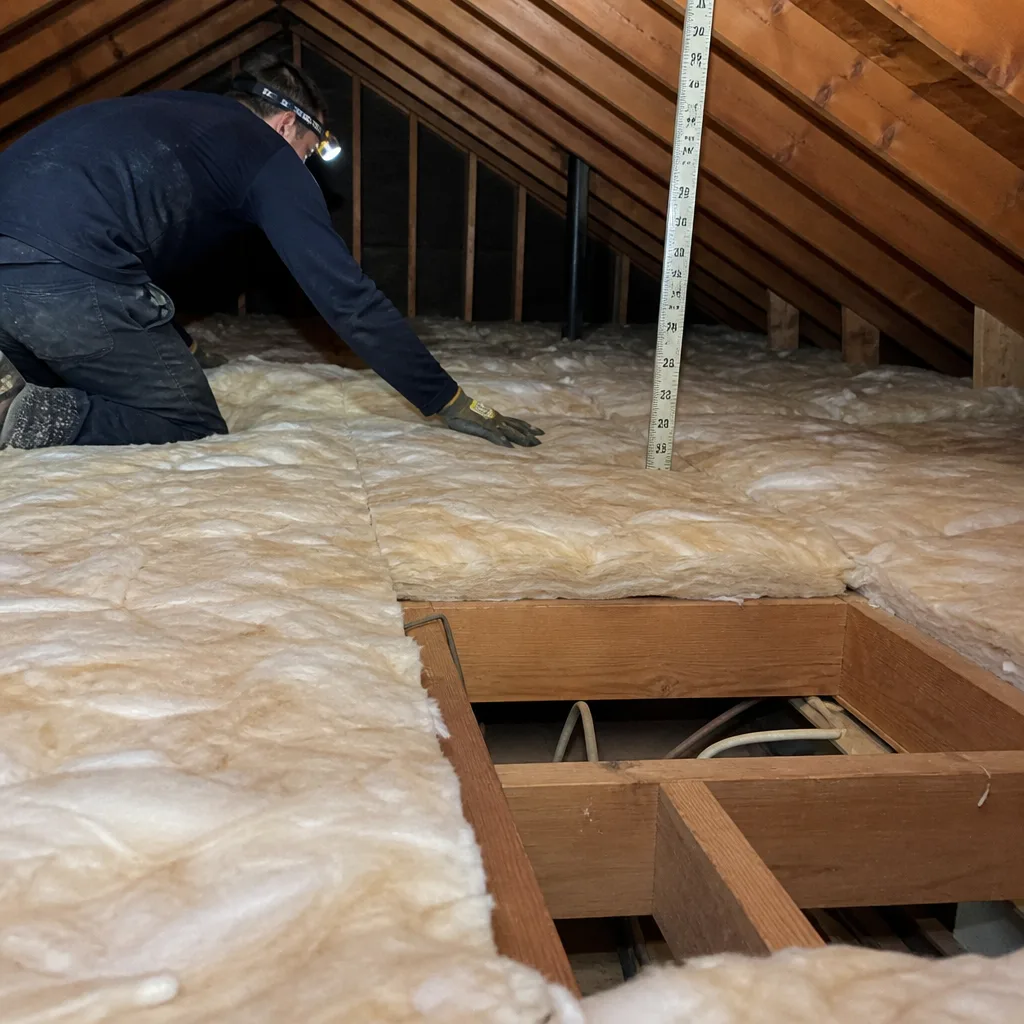
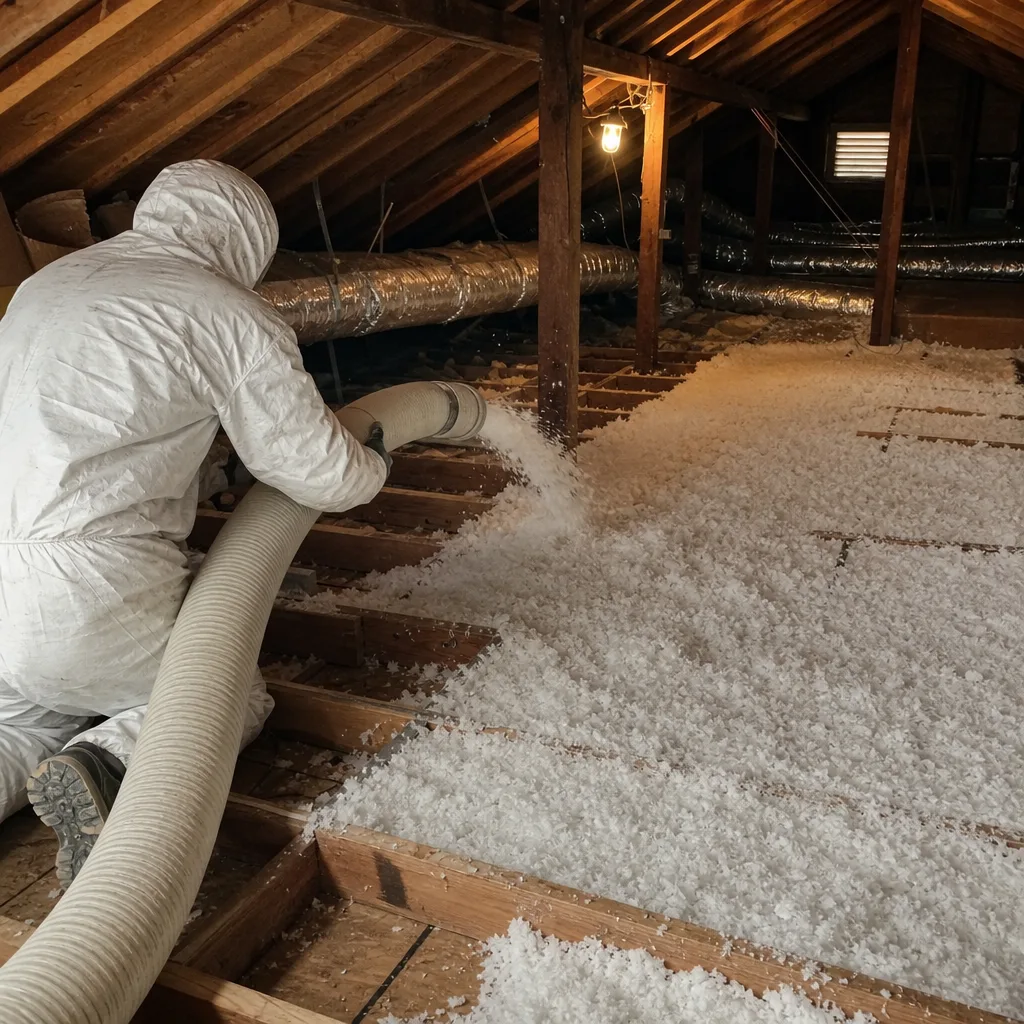
Attic insulation in Monterey Park usually means correcting what post-war tract construction left out. Homes along Garvey Avenue, Atlantic Boulevard, and the residential streets of 91754 and 91755 were mostly built between the late 1940s and 1960s. Many have exposed-rafter attics, little to no original insulation, and no vapor barrier. That combination creates a specific problem in Monterey Park: winter ceiling stains from marine-layer condensation that most inland crews never diagnose correctly. We run crews to Monterey Park throughout the week, and Alan Whitcomb, who leads Placentia Insulation, keeps our scheduling tight enough that most homeowners get a technician on-site within a couple of days. Call (855) 773-6429 for a free attic assessment.
Key Takeaways:
- Most Monterey Park homes predate modern insulation codes, with original material settled, compressed, or missing entirely.
- Winter marine-layer condensation, not summer heat alone, is the signature failure mode in the exposed-rafter attics here.
- We stock fiberglass, mineral wool, cellulose, and both open-cell and closed-cell spray foam to match the right material to each house.
- Air sealing always comes before adding R-value in Monterey Park’s older attic cavities. Adding batts on top of settled, unsealed cavities wastes your money.
Why Placentia Insulation Is Monterey Park’s Preferred Attic Insulation Company
We’re a dedicated Attic Insulation contractor, not a generalist. That means the crew that shows up at your Monterey Park home spends every working day in attics like yours. We know what a 1950s stucco tract attic on the Garvey corridor looks like because we’ve been inside enough of them to recognize the failure patterns immediately.
Homeowners across Monterey Park tell us the same thing: other contractors quoted them a batt upgrade without ever looking past the attic hatch. Our technicians do the opposite. We inspect the full cavity, check whether original cellulose has settled to the eaves, test for air movement at the top plates, and only then recommend a material and method. That sequence matters in Monterey Park because the condensation problem here is different from what you’d see in Pasadena or Arcadia. Our approach is built around diagnosing what’s actually happening in your attic, not selling you the insulation we happen to have on the truck.
Alan Whitcomb started Placentia Insulation with a simple rule: match the material to the job. That’s why we carry eight brands instead of one or two. When a Monterey Park homeowner needs fire-resistant mineral wool for a garage-adjacent attic, we have Rockwool. When a split-level addition needs open-cell foam for an enclosed cavity, we have Icynene. When an older home just needs a dense-packed cellulose top-up, we have GreenFiber. One contractor, three installation methods, and the full brand library to choose from.
Attic Mold Removal in Monterey Park
Attic Mold Removal in Monterey Park is almost always tied to the same root cause: winter moisture condensing on a cold ceiling plane because there’s no vapor barrier and the attic isn’t ventilating properly. When damp marine-layer air sits against exposed rafters and uninsulated drywall, mold takes hold. We see it most often in the 1940s and 1950s wood-frame stucco homes along Atlantic and Garvey, where original construction included no separation between the conditioned space and the roof deck.
Where The Moisture Actually Comes From
Monterey Park’s inland-side climate gets cool, damp mornings off the marine layer. The attic looks dry in summer because the heat burns off the moisture. But in winter, that same moisture condenses on the underside of the ceiling. We regularly find mold growth in attics that homeowners assumed were bone dry. The fix isn’t bleach. The fix is removing the contaminated material, air sealing the ceiling plane, and correcting the ventilation so condensation can’t return.
What Mold Removal Costs Here
Attic mold remediation in Monterey Park typically runs $1,200 to $2,800 for a post-war single-story home, depending on the square footage and how far the contamination has spread. If the mold is concentrated around the eaves or the attic hatch, you’re usually at the lower end. If it covers the entire underside of the roof deck, expect the higher end. We don’t treat mold as a standalone job. We treat it as a symptom. Every mold removal includes a full assessment of why the moisture got there in the first place, because removing mold without fixing the condensation source just means you’ll pay for removal again in eighteen months.
Attic Insulation Removal in Monterey Park
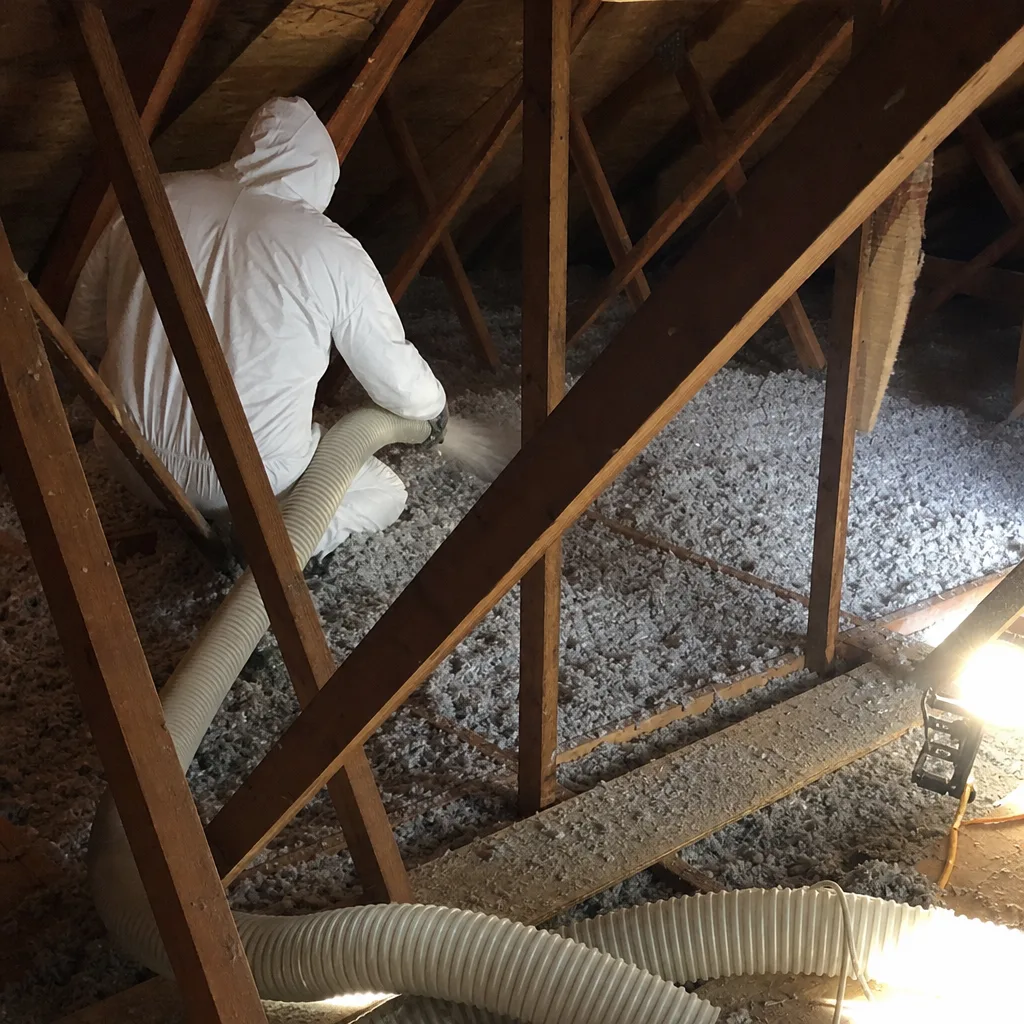
Attic Insulation Removal in Monterey Park usually means one of two things: extracting settled, compressed cellulose from a 1950s exposed-rafter attic, or pulling out fiberglass batts that got soaked by a winter condensation cycle or a roof leak. Either way, the job is more than vacuuming out old material. It’s preparation for what goes back in, and in Monterey Park’s older homes, that preparation includes air sealing the perimeter and top plates before any new insulation is installed.
Settled Cellulose And What It Hides
Original blown-in cellulose in these tract homes almost always settles toward the eaves. The center of the ceiling ends up bare, invisible from the hatch because the outer edges still look full. When we remove the old material, we can finally see what’s underneath: gaps at the top plates, open wall cavities, electrical penetrations, all of which have been leaking conditioned air into the attic for decades. That’s the real source of the high afternoon AC load, not just the missing R-value. Removal is the diagnostic step that makes the rest of the job accurate.
Removal Costs In Monterey Park
Attic insulation removal for a typical Monterey Park single-story runs $1,500 to $3,000, with the higher end applying to larger split-level homes or attics with deep settled material and rodent damage. We remove, bag, and dispose of the old insulation, then seal and prep the cavity so the new material performs. Call (855) 773-6429 and Alan or one of our techs will give you a straight quote before any work begins.
Trusted Brands We Service in Monterey Park
Most insulation contractors carry one or two product lines. We carry eight, so your Monterey Park home gets what it actually needs. For open-cell foam in tight enclosed cavities on split-level additions, we use Icynene. For closed-cell applications where moisture resistance matters, Demilec. For blown-in cellulose top-ups, GreenFiber. For batt work in the older tract homes, Owens Corning fiberglass is a consistent performer. We don’t stock parts locally in Monterey Park, but we run trucks here often enough that material lead times are measured in days, not weeks. Eight brands. Three methods. One specialty.
Common Attic Insulation Problems We See in Monterey Park Homes
- Winter ceiling stains misread as roof leaks. Homes on the Garvey and Atlantic corridors have no vapor barrier, so cool, damp marine-layer mornings condense on the cold ceiling plane. The stain appears in winter, fades in summer, and gets blamed on the roof when it’s actually an attic ventilation and insulation failure.
- Settled cellulose that leaves the ceiling center bare. Original blown-in material from the 1950s compresses toward the eaves over the decades. The attic hatch looks like it still has insulation. The center of the ceiling doesn’t. Your afternoon AC bill tells the truth even when the attic doesn’t.
- Split-level additions built without air sealing. Those 1980s and 1990s two-story additions have enclosed cavities and perimeter gaps that were never sealed before insulation went in. Adding more batts on top without sealing first means the R-value never performs at spec.
- Bathroom and kitchen exhaust vents terminating in the attic. Older Monterey Park homes often vent moist air directly into the attic cavity. That warm, humid air condenses on the underside of the roof deck, feeds mold growth, and shortens the life of whatever insulation is up there. We catch it during every full attic assessment.
Pricing for Attic Insulation in Monterey Park, CA
Here are the real ranges for Monterey Park’s market. A full attic insulation replacement on a 1,200-square-foot post-war ranch usually runs $2,800 to $4,500 with air sealing included. Attic insulation top-up, where the existing material is still viable and we’re adding R-value, runs $1,200 to $2,200. Blown-in cellulose or fiberglass for a new-to-you attic runs $1,800 to $3,400 depending on depth. Attic baffles and ventilation prep, which matters enormously in Monterey Park’s condensation-prone attics, adds $400 to $900. If you’re dealing with mold or rodent contamination, removal before re-insulation is a separate line item at $1,500 to $3,000. The biggest cost variable is whether your attic needs air sealing, and in the older Garvey corridor homes, it almost always does. Estimates are free, and we give you a written line-item quote before any work starts. Call (855) 773-6429 to schedule one.
We Also Serve Cities Near Monterey Park
Placentia Insulation works throughout the west San Gabriel Valley. Beyond Attic Insulation in Monterey Park, our crews cover South San Gabriel, Alhambra, East San Gabriel, and East Los Angeles. If your home sits right on the border between Monterey Park and one of these neighboring cities, don’t worry about the ZIP code. We’ll come out, inspect the attic, and tell you straight what it needs.
Serving Monterey Park, CA — Our Local Coverage Area
We’re based in the Monterey Park area and know this community well. Use the map below to see our service coverage — if you’re nearby, we can almost certainly help.
FAQs About Attic Insulation in Monterey Park
Because your home doesn’t have a vapor barrier, and the cool, damp marine-layer air that settles over Monterey Park in winter condenses on the cold ceiling plane. The attic looks dry all summer because the heat evaporates the moisture. But the condensation cycle returns every winter, and it produces ceiling stains that most homeowners mistake for a roof leak. The fix is air sealing the ceiling plane, correcting ventilation, and installing insulation that keeps the ceiling surface above the dew point. Call (855) 773-6429 and we’ll confirm what’s actually happening in your attic before recommending anything.
No, and any contractor who says yes is doing you a disservice. In Monterey Park’s 1940s and 1950s tract homes, the original cellulose settles to the eaves, leaving the center of the ceiling bare. Adding batts on top without removing the settled material and air sealing the perimeter means the new insulation sits on an unsealed, uneven cavity. It won’t perform at its rated R-value, and the condensation problem that’s common in this housing stock will continue underneath it. The correct sequence is removal, air sealing, then new insulation.
It matters more than most people realize. Monterey Park sits far enough inland to get summer highs in the 90s, so afternoon AC load is real. But the winter marine layer is what causes the signature failure in these older homes: condensation on uninsulated ceilings, mold growth, and recurring stains. A proper insulation plan for Monterey Park has to address both. We size R-value for the summer heat load, but we air seal and ventilate for the winter condensation cycle. Skipping either half leaves the homeowner paying for a job that only solves one season.
Sometimes, yes, especially around the enclosed cavities. 1980s and 1990s additions in Monterey Park were often framed and insulated without perimeter air sealing, so the R-value in the walls and ceilings performs below spec. The original 1950s portion of the house usually needs the full removal and sealing treatment. The addition may just need targeted air sealing at the top plates and where the addition ties into the original framing. We inspect both parts of the house separately, because they fail differently.
Yes. Monterey Park has a lot of multi-generational households, and we’re used to working around them. We’ll keep the access to a single attic hatch, lay down floor protection, and work in a contained area so the rest of the house stays liveable. If a family member is home during the day, we’ll explain what we’re doing in the attic, where we’re working, and when we’ll be done. We schedule arrival windows, not “sometime between eight and five,” so your household can plan around us. Call (855) 773-6429 and we’ll set a time that actually works.
Written by Alan Whitcomb, Owner at Placentia Insulation, serving Monterey Park and the west San Gabriel Valley.