
Insulation Company in San Marino, CA
San Marino homes call for a different kind of insulation conversation. A 1920s Spanish Colonial with plaster walls and no original wall cavities is a different animal from a 1960s ranch with a flat roof and cathedral ceilings, and both sit under the same hot, dry San Gabriel Valley sun. Our primary job in San Marino is blown in insulation: dense-packed cellulose into uninsulated wall cavities and loose-fill over attic floors, matched to homes that were built decades before anyone thought about R-values. We carry eight insulation brands, three installation methods, and no other trades. For a free assessment of your San Marino home, call (855) 773-6429.
Key Takeaways
- San Marino’s 1910s – 1930s homes often have zero original wall insulation, which is why blown in cellulose is the dominant retrofit here.
- Hillside and estate properties in 91108 frequently have flat or low-slope roofs with little attic plenum, so the job often shifts from a simple attic blow to wall-cavity work or rigid board.
- Summers are long, dry, and hot. Attic R-value and air sealing deliver more comfort than focusing on winter cold.
Why San Marino Homes Are Different
Most of San Marino was built between 1915 and 1965, and that era defines almost every insulation decision we make here. The 1910s – 1930s Period Revival homes, whether Spanish Colonial along the estate blocks or English Tudor near Huntington Drive, typically went up with plaster on wood lath, balloon framing, and no insulation in the walls. Some still have knob-and-tube wiring in the cavities, which changes how we approach a blow-in. The mid-century custom stock is different again: larger spans, high ceilings, low-slope or flat roof sections, and single-zone HVAC systems that struggle to keep an upstairs at the same temperature as a downstairs living room.
Then there’s the climate. San Marino sits right against the foothills of the San Gabriel Mountains, where summer afternoons push well past 90 degrees and the sun sits hard on those tile and composition roofs. Attic temperatures climb quickly, and all that heat radiates down through uninsulated ceilings. Santa Ana events push hot, dry air through every gap in old plaster and framing. The biggest energy and comfort lever in San Marino is almost always the attic floor and the wall cavities, not the windows.
The 91108 hillside and estate blocks add one more wrinkle. Many of those homes have exposed-rafter cathedral ceilings or flat roof sections with no real attic to climb into. That’s not a simple blow-in job. We’re often installing rigid board, reflective barriers, or spray foam from below during a reroof, or packing the framing cavities that do exist. The permit side matters too: San Marino’s design review process means much of our blown-in work happens during permitted remodels and additions, not as standalone retrofits. We work within those plans, and we know the rhythm of those projects.
Our Main San Marino Services
Two services tend to dominate calls from San Marino homeowners: attic insulation for the heat gain coming through the roof, and spray foam for the tight or unusual cavities in older and hillside construction. Each has its own dedicated San Marino page.
Attic Insulation in San Marino
San Marino attics run hot, and an under-insulated attic floor is the single biggest reason bedrooms upstairs never cool down in July. The work here usually means air sealing around old framing and electrical penetrations first, then blowing loose-fill or setting batt insulation to an R-value that actually matches our climate – not the minimum code from the 1980s. In flat roof and cathedral ceiling homes, the approach changes to rigid board or closed-cell foam under the roof deck, but the goal is the same: stop the heat before it enters the living space. Attic Insulation in San Marino covers our full approach, including what we find in older plaster-and-lath homes.
Spray Foam Insulation in San Marino
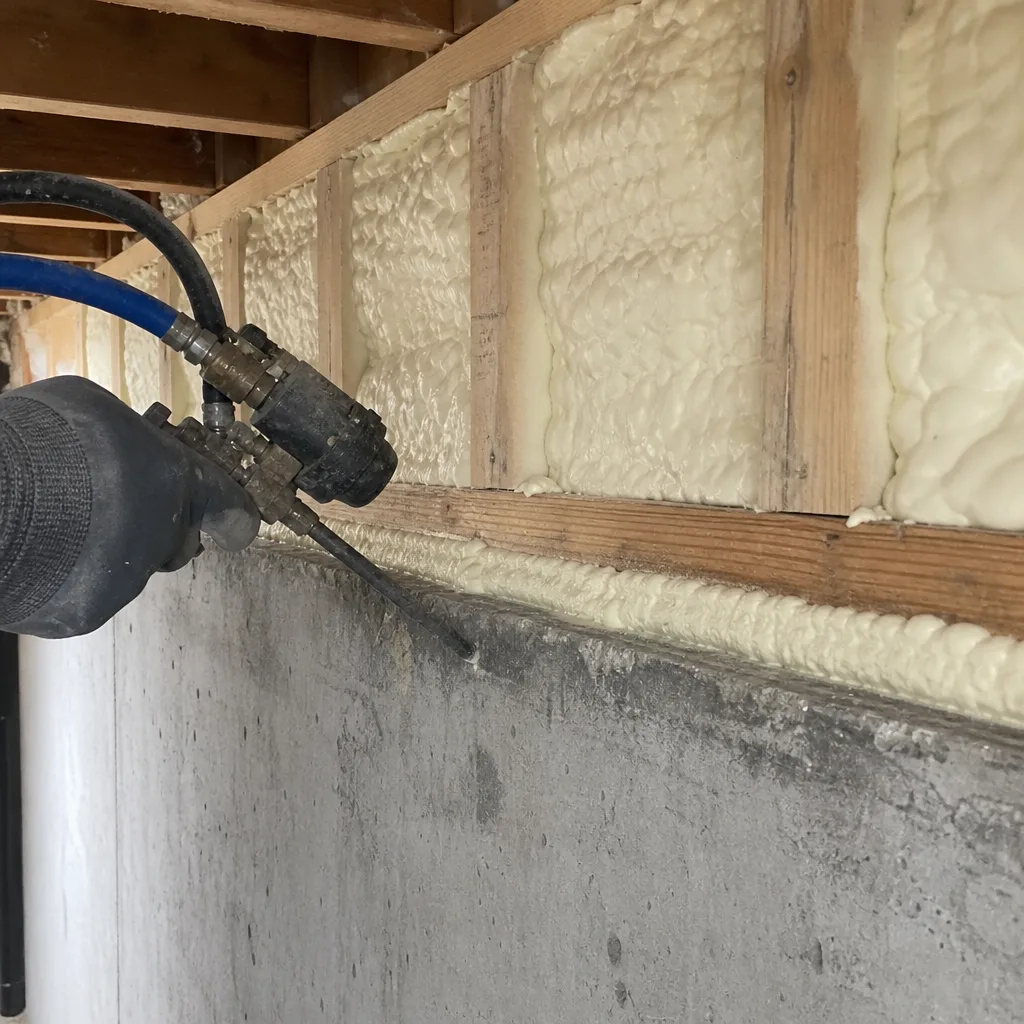
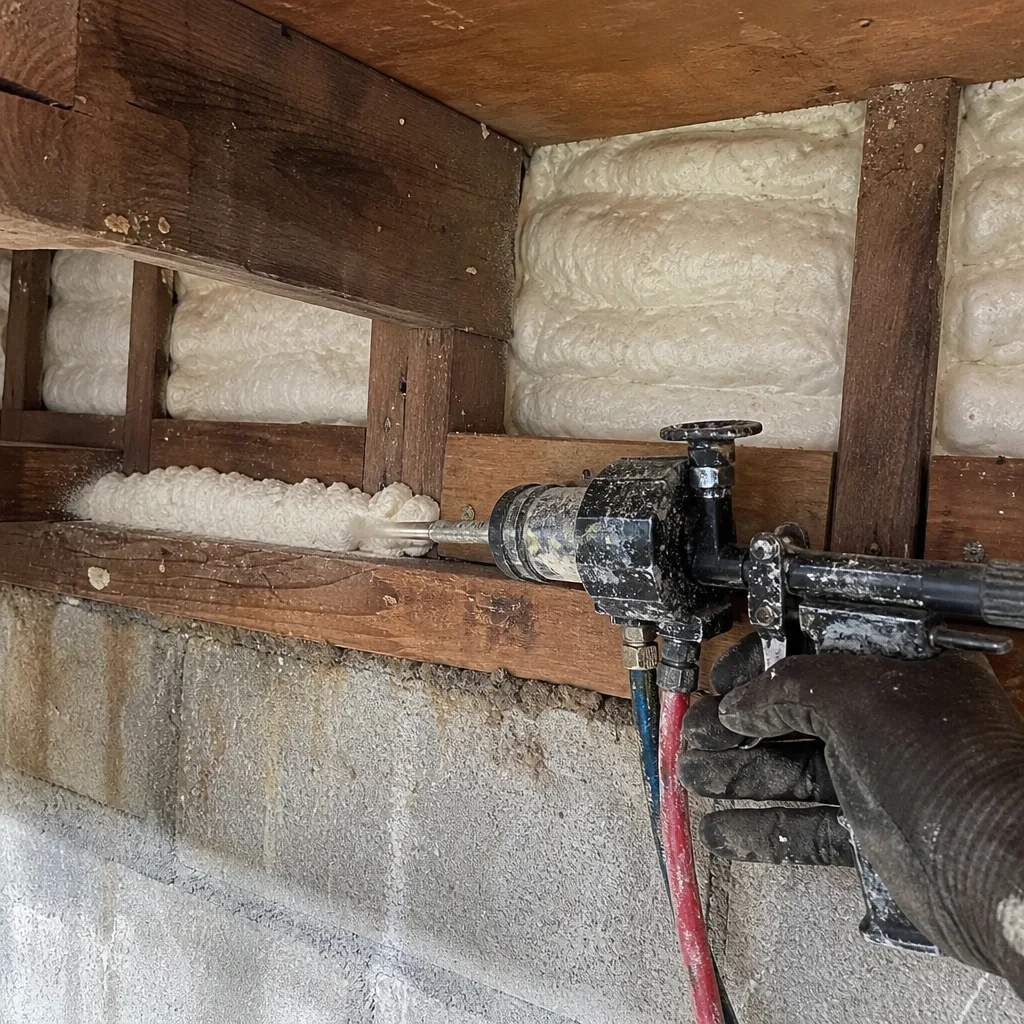
Where blown-in insulation can’t reach, spray foam often can. In San Marino that means walls with no sheathing, irregular stud bays in Period Revival additions, and flat roof assemblies where closed-cell foam doubles as a moisture and air barrier. We run both open-cell and closed-cell systems from Icynene and Demilec, so the foam chemistry is chosen for the cavity and the roof type, not whatever one supplier stocks. Spray Foam Insulation in San Marino explains where each foam type earns its cost and where it doesn’t.
What happens when you call
- 1
A real person answersNo phone trees — you reach a local pro.
- 2
You get an upfront price rangeHonest numbers before anyone is dispatched.
- 3
A background-checked tech heads outLicensed & insured, dispatched right away.
- 4
You approve before work beginsNothing starts until you say go.
Blown In Insulation in San Marino
Blown in insulation is our most requested service in San Marino because it solves the exact problem these homes have: empty, inaccessible wall cavities behind plaster and lath, and attics that were never brought up to a level that handles a San Gabriel Valley summer. On a hot August afternoon, the outside surface of a stucco wall will pass 130 degrees. If there’s nothing in the stud cavities, that heat walks straight into the house. We dense-pack GreenFiber cellulose into those walls through small, carefully placed access points, and loose-fill the attic floors to an R-value that changes how the whole home feels. You can see the full service scope on our Blown In Insulation page.
Cellulose Insulation
Signs you need it
Rooms on the west and south sides of a San Marino home stay noticeably hotter than the rest of the house, and interior plaster walls feel warm to the touch in the late afternoon.
What it costs in San Marino
Dense-packed cellulose wall insulation and loose-fill attic cellulose in San Marino typically runs $0.65 – $1.20 per square foot of insulated area, depending on depth and access.
How we do it
We machine-blown GreenFiber cellulose at controlled density, using a small access hole in each stud bay or a hose run through the attic for floors, then patch cleanly so plaster and lath are preserved.
Blown In Attic Insulation
Signs you need it
Upstairs ceilings read hot to the touch by late afternoon, and air conditioning runs almost continuously without lowering the second floor’s temperature.
What it costs in San Marino
Blown in attic insulation in San Marino generally falls between $0.75 and $1.20 per square foot for a typical loose-fill installation on an open attic floor.
How we do it
We air seal around can lights, plumbing chases, and framing first, then blow loose-fill to the full R-value depth across the attic floor, keeping soffit vents clear for airflow.
Blown In Cellulose Insulation
Signs you need it
Older San Marino homes with plaster walls and no sheathing underneath the stucco often have empty stud bays, and those rooms never hold temperature in summer or winter.
What it costs in San Marino
Dense-packed blown in cellulose for existing wall cavities in San Marino runs roughly $0.85 – $1.20 per square foot of wall area, with access complexity affecting the final figure.
How we do it
We drill small access holes at each stud bay, fill the cavity under pressure so the cellulose packs firmly around old wiring and pipes, then patch the plaster to match.
Loose Fill Insulation
Signs you need it
Open attics with thin or settled old insulation, or homes where you can see the tops of the ceiling joists from the attic hatch, need a loose-fill top-up or full blow.
What it costs in San Marino
Loose fill insulation in San Marino typically runs $0.65 – $1.10 per square foot depending on the existing depth and the target R-value for the roof type.
How we do it
We blow loose-fill material across the attic floor to an even, measured depth, checking density as we go and keeping the install level across the entire ceiling plane.
What Blown In Insulation Costs in San Marino
| Item | Typical range in San Marino |
|---|---|
| Cellulose wall dense-pack (existing walls) | $0.85 – $1.20 per sq ft |
| Attic loose-fill / blown-in (open attic) | $0.75 – $1.20 per sq ft |
| Loose fill top-up over existing insulation | $0.65 – $1.10 per sq ft |
Two things push cost up here more than anything else: wall-cavity access through plaster and lath, and flat or low-slope roof sections where there’s no attic to walk. Both mean more labor and more care with the existing finishes. Every quote we give is a fixed, upfront price based on what we can see during the assessment, and we explain the line items before any work starts.
Can you insulate plaster walls in San Marino without gutting them?
Yes. Dense-packed cellulose goes into the stud cavities through small drilled openings from the inside or outside, then we patch. You keep the original plaster and lath, which matters in San Marino where original interior character is protected.
How long does a blown in insulation job take in San Marino?
Most San Marino wall-cavity and attic jobs finish in one to two days. Larger homes with multiple wall planes or limited attic access run longer, but a typical 1920s or 1950s house is a one-day wall job plus a separate attic visit.
Brands We Service in San Marino
We install and service blown-in, spray foam, and attic insulation across eight brands, including Rockwool mineral wool for fire and sound, CertainTeed and GreenFiber fiberglass and cellulose, and Icynene and Demilec spray foam systems. Local stock covers most San Marino jobs same week. See the full list on our brands page.
Pricing for Insulation Company in San Marino, CA
| Service | Typical range in San Marino |
|---|---|
| Dense-packed cellulose wall insulation | $0.85 – $1.20 per sq ft |
| Blown in attic insulation (loose fill) | $0.75 – $1.20 per sq ft |
| Loose fill insulation top-up | $0.65 – $1.10 per sq ft |
| Closed-cell spray foam (per board foot) | $1.00 – $2.50 per board ft |
| Open-cell spray foam (per board foot) | $0.45 – $1.20 per board ft |
| Fiberglass batt insulation | $0.50 – $1.00 per sq ft |
| Rockwool mineral wool batts | $1.20 – $2.00 per sq ft |
| Air sealing package | $400 – $1,500 per home |
| Attic radiant barrier | $0.50 – $1.00 per sq ft |
| Rigid board insulation (flat/ low-slope roofs) | $1.00 – $2.00 per sq ft |
The two factors that push San Marino prices upward are wall-cavity access through original plaster and lath, and the flat or cathedral roof sections common in 91108 hillside homes where there’s no attic plenum. Both mean more labor and more care. Every quote we give is a fixed, upfront price, and we walk you through the material choice before anything gets installed.
Neighborhoods We Serve in San Marino
We cover all of San Marino’s 91108 and 91118 ZIP codes, including the estate blocks, the streets east of San Marino Avenue, and the neighborhoods along the Huntington Drive corridor. Typical response time for an assessment call in San Marino is one to three business days.
- The estate blocks near Lacy Park and the Huntington Library
- Hillside and foothill-edge streets in 91108
- Neighborhoods west of San Marino Avenue
- East San Marino and the streets off Huntington Drive
- Custom home pockets along the South Pasadena border
Service Area – Cities Near San Marino
We regularly work in the communities around San Marino, including San Gabriel, CA, East San Gabriel, CA, Alhambra, CA, and East Pasadena, CA. If you’re in a neighboring city and planning an insulation upgrade or a permitted remodel, we’ll cover the same three service lines there.
Serving San Marino, CA — Our Local Coverage Area
We’re based in the San Marino area and know this community well. Use the map below to see our service coverage — if you’re nearby, we can almost certainly help.
FAQs About Insulation Company in San Marino
Standalone insulation work that doesn’t alter the structure or electrical system rarely needs its own permit, but most San Marino insulation work happens inside a permitted remodel or addition, where your general contractor or architect already has plans in review. We work within those approved plans and coordinate with the rest of the project.
Assessment visits in San Marino usually happen within one to three business days, and installation follows based on your scheduling and the scope. Larger whole-home blow-in jobs during a remodel often get worked into the general contractor’s timeline, which we coordinate directly.
We do both. Attic insulation, blown in wall-cavity work, and spray foam all fall under one crew and one project plan. In San Marino that matters because many older homes need both wall-cavity density and attic R-value at the same time, and one contractor should be accountable for the whole thermal envelope.
If your San Marino home is hot upstairs, has rooms that never hold temperature, or is mid-remodel with open cavities, call (855) 773-6429 for a free assessment and a fixed, upfront quote. We match the material to the job, not the job to whatever we have on the truck.
What happens when you call
- 1A real person answersNo phone trees — talk to a local insulation pro.
- 2You get an upfront price rangeHonest numbers before anyone is dispatched. No surprises.
- 3A background-checked tech heads outLicensed & insured, typically within 30–60 min.
- 4You approve before work beginsNothing starts until you say go.
What San Marino Customers Say
"Attic was at maybe R-11 from the 1970s and blown in over the top would have just buried the problem. They removed the old material, air sealed the top plates and penetrations first, then blew in to R-49. The upstairs is a completely different house in August."
— Veronica Guzman"He did a blower door test before and after and gave me the numbers. I like being able to see the difference rather than being told about it."
— Rachel Sullivan"Told me the crawlspace didn't need doing and only the attic did. Half the job, half the money."
— Adriana Rodriguez