
Fast, Reliable Attic Insulation Across El Cerrito Corona
Attic insulation in El Cerrito Corona isn’t a winter project. It’s a summer survival upgrade. Homes in the 92881 zip sit on the eastern edge of the Corona basin, where triple-digit afternoons bake attic spaces to 140°F and the heat radiates down through ceilings, ductwork, and walls. Whether you’re in a mid-century tract home near the foothills or a newer stucco build on former citrus land, the right insulation and ventilation setup changes how hard your AC works every single day. We’ve worked in El Cerrito Corona long enough to know that a center-of-attic inspection can miss what’s really wrong along the eaves. Call (855) 773-6429 and we’ll send someone who actually looks.
Key takeaways for El Cerrito Corona homeowners:
- Older tract homes often have settled cellulose that leaves top plates exposed near the eaves – a thermal bridge you cannot see from the attic access hatch.
- Duct leaks in 140°F attics cost more than insulation gaps do. We seal ducts before blowing in new material.
- Newer infill homes sometimes carry builder-grade insulation that fails Title 24 performance expectations.
- Eight insulation brands in active inventory means we match material to the house, not to whatever is left on the truck.
Why Placentia Insulation Is El Cerrito Corona’s Preferred Attic Insulation Company
We’re an insulation-only contractor. That matters more in El Cerrito Corona than most places because the housing stock demands a specialist who knows what to look for. A generalist contractor walks into a 1960s single-story near the foothills, checks the center of the attic, sees ten inches of cellulose, and declares it fine. We don’t stop there. Alan Whitcomb built Placentia Insulation around the idea that material selection and installation method should follow the house, not the other way around. The team working in El Cerrito Corona carries Owens Corning, Johns Manville, Knauf, Rockwool, CertainTeed, Icynene, Demilec, and GreenFiber. That’s eight brands. Most insulation contractors carry one or two product lines. We carry eight, so your home gets what it actually needs.
The response time to El Cerrito Corona is deliberate. We dispatch from Placentia with enough material on hand to handle most attic projects same-day or next-day. No phoning around for a pallet of Rockwool while your attic keeps bleeding heat. And because we’re pure-play insulation, every crew member, every tool, and every conversation on site is about one trade. Not plumbing today and insulation tomorrow.
Attic Mold Removal in El Cerrito Corona
Attic mold removal in El Cerrito Corona is usually a ventilation failure first and a moisture problem second. The inland Riverside County climate doesn’t bring attic mold from rain leaks alone. It comes when warm daytime air hits cooler overnight surfaces, condensation forms on the underside of the roof deck, and the mold takes hold. That cycle repeats for years in poorly vented attics across the 92881 zip, especially in older homes where original soffit vents are painted over or blocked by decades of accumulated dust. We remove the contaminated insulation, treat the affected surfaces, and address the airflow problem so it doesn’t return. A typical attic mold removal project in El Cerrito Corona runs $1,200 to $3,800 depending on attic size and how far the contamination has spread.
Containment and Removal Process
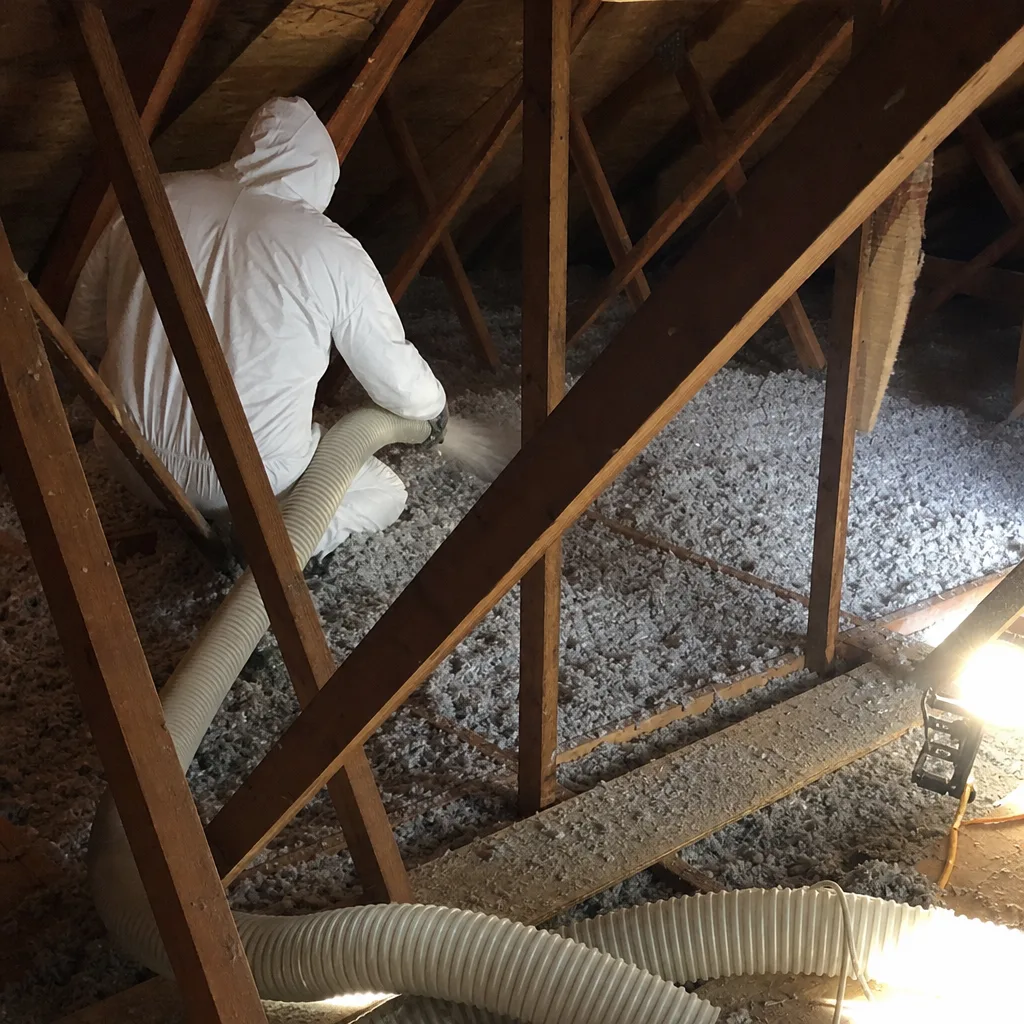
The work starts with isolating the attic space so spores don’t drop into the living area. Heavy-duty plastic sheeting and negative air pressure keep the house clean. The contaminated insulation gets bagged and removed by hand from the eaves inward, followed by surface treatment of the roof deck and framing. After drying completes, we prep the attic for fresh insulation and check that soffit and ridge ventilation are moving air the way they should.
When El Cerrito Corona Homeowners Should Act
Any visible dark staining on attic sheathing, a musty odor when the AC cycles on, or peeling paint on bathroom ceilings below the attic can indicate mold. In El Cerrito Corona’s mixed stock, mid-century homes with original bathroom fans venting into the attic instead of outdoors are among the most common culprits. If you’re seeing those signs, get the attic inspected before the mold spreads into insulation and ductwork.
Attic Insulation Removal in El Cerrito Corona
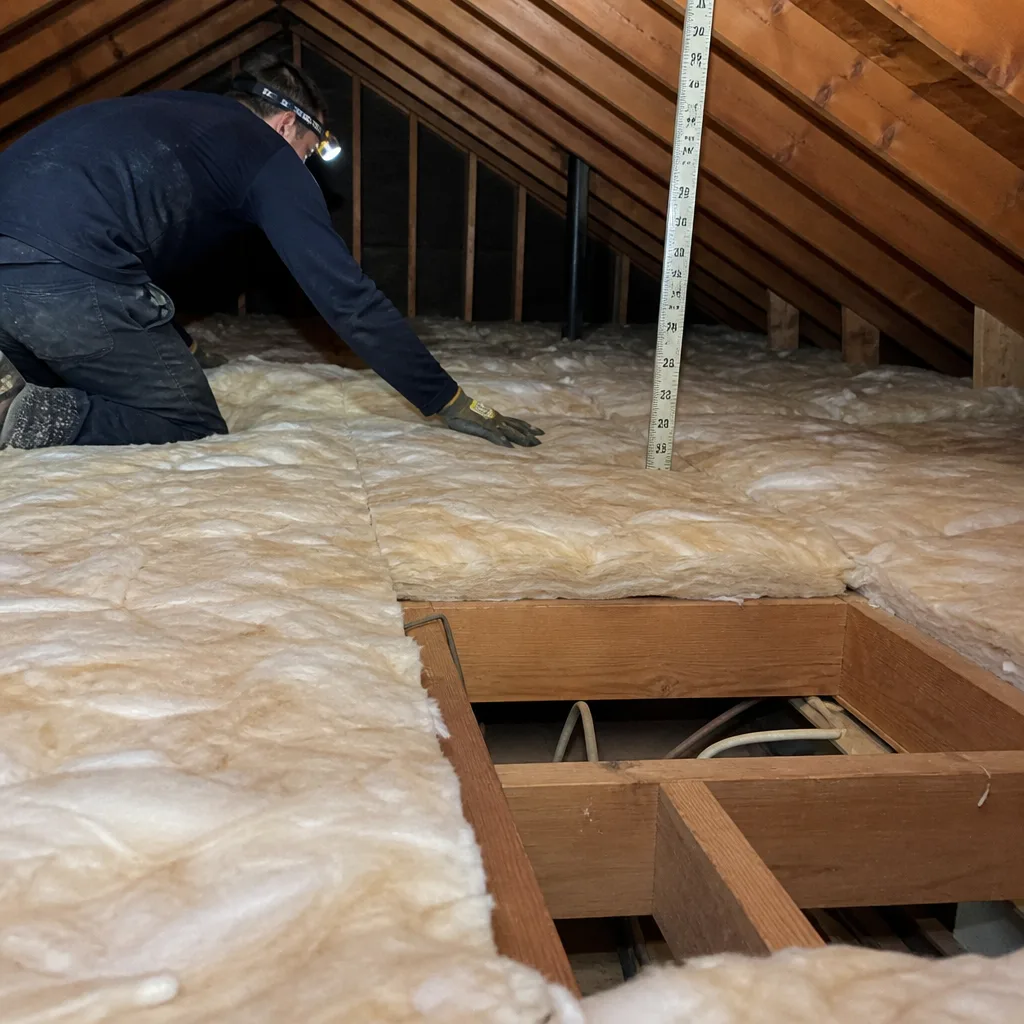
Attic insulation removal in El Cerrito Corona is often the right move when the existing material has settled, absorbed moisture, or become contaminated by rodent activity. In older tract homes near the foothills, we regularly remove blown-in cellulose that’s dropped several inches over forty or fifty years. That settling exposes the top plates along the eaves, and the thermal bridge it creates lets attic heat pour into wall cavities. A center-of-attic R-value check missed it entirely. Removal clears the deck so we can air-seal all penetrations, seal duct joints, and install insulation that actually covers every inch of the attic floor. A full removal and re-insulation project in El Cerrito Corona typically runs $2,500 to $6,000 for a standard single-story home, depending on attic square footage and material choice.
Handling Old Rodent-Damaged Material
Rodents love settled insulation. In El Cerrito Corona’s older tracts, attics that have gone years without inspection often show nesting damage and droppings mixed into the cellulose or fiberglass. That material can’t simply be topped off. It needs to come out. We remove the old layer, sanitize the attic floor, and blow in fresh material from GreenFiber or install batts depending on what the home actually requires.
Preparing for Air Sealing
Before new insulation goes in, every plumbing penetration, wiring hole, and top plate gap gets sealed with foam. In 92881’s hot climate, air leaks pull conditioned air out of the house and draw superheated attic air in. Sealing first, then insulating, is the difference between a project that cuts cooling bills and one that just looks good in an attic photo.
Trusted Brands We Service in El Cerrito Corona
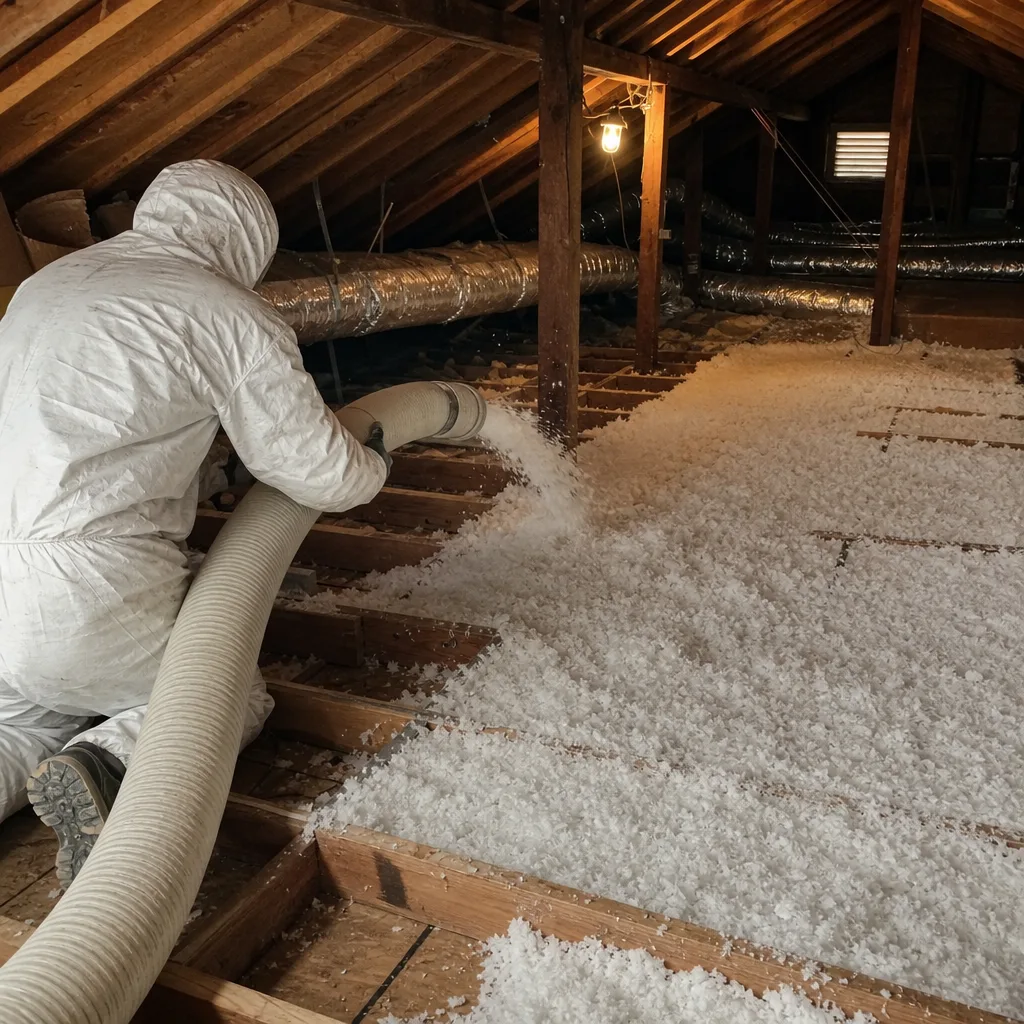
Placentia Insulation stocks and installs material from eight brands, and for El Cerrito Corona homeowners that range matters. Rockwool mineral wool is the right call for fire resistance and sound dampening in tightly packed neighborhoods off the 91 corridor. Icynene open-cell spray foam handles tight attic cavities where batts won’t sit properly. Demilec closed-cell foam earns its keep on roof decks and rim joists where moisture resistance is non-negotiable. GreenFiber blown-in cellulose is a smart, recycled-content option for attic floors that need deep, even coverage. We stock local parts and material for fast turnaround in El Cerrito Corona, so you’re not waiting on a supplier a week out.
Common Attic Insulation Problems We See in El Cerrito Corona Homes
- Settled cellulose exposing top plates near the eaves. Decades-old blown-in material compacts in El Cerrito Corona’s heat, leaving the outer edges of the attic floor bare. It’s the single most missed insulation defect in older foothill tracts, and it’s invisible unless you actually get to the eaves.
- Original duct runs with failing mastic or brittle tape. In 140°F attics, the sealant on old duct joints cracks and peels away. Cooled air pours into the attic instead of the living room, and the AC runs longer and hotter to compensate.
- Builder-grade insulation in newer infill homes. Some stucco homes built on former citrus groves have minimal fiberglass that barely meets old code and falls short of current Title 24 expectations. The attic stays hot, the second floor stays hot, and the homeowner wonders why a newer house performs like an old one.
- Blocked or inadequate attic ventilation. Soffit vents painted over, ridge vents never installed, or too few vents for the roof area mean heat builds up and has nowhere to go. Even good insulation loses effectiveness when the attic can’t breathe.
Pricing for Attic Insulation in El Cerrito Corona, CA
Attic insulation prices in El Cerrito Corona depend on attic size, access difficulty, and what needs to happen before the new material goes in. A straight blown-in insulation top-up runs $1,800 to $3,500 for most single-story homes. Batt insulation replacement runs $2,000 to $4,200 depending on product choice, with Rockwool and other premium materials at the upper end. Full removal plus air sealing and new blown-in cellulose runs $2,500 to $6,000. Spray foam projects, whether open-cell or closed-cell, run $3,000 to $8,000 depending on square footage and application method. Call (855) 773-6429 for an exact quote. Estimates are free, and we’ll inspect the eaves before quoting anything, because that’s where El Cerrito Corona homes hide their losses.
One more thing on price. In El Cerrito Corona’s older tracts near the foothills, a home’s ductwork often leaks more than its insulation lacks. We’ll tell you if the money is better spent sealing ducts before buying more R-value. That honesty is part of the job.
We Also Serve Cities Near El Cerrito Corona
Our Attic Insulation team covers El Cerrito Corona and the surrounding communities. If you’re in Corona, Home Gardens, Eastvale, or Norco, we run the same eight-brand material library and the same inspection-first approach. Whether you’re in a 1970s ranch in Corona or a newer build in Eastvale, the attic problems are often the same. See more about our service area on the Attic Insulation in El Cerrito Corona page.
Serving El Cerrito Corona, CA — Our Local Coverage Area
We’re based in the El Cerrito Corona area and know this community well. Use the map below to see our service coverage — if you’re nearby, we can almost certainly help.
FAQs About Attic Insulation in El Cerrito Corona
The most reliable way is to physically check the insulation depth near the eaves, not just at the attic center. In older El Cerrito Corona tract homes, settled cellulose often leaves the outer 12 to 24 inches of the attic floor nearly bare, exposing the top plates. Visual clues from inside the house include warm walls near the ceiling in the late afternoon, uneven upstairs temperatures, and an AC that runs longer than it should. Call (855) 773-6429 and we’ll inspect your attic edge before recommending what to add.
Yes. In El Cerrito Corona’s 140°F attics, original duct joints with cracked mastic or dried-out tape can leak 20 to 30 percent of your cooled air into the attic before it reaches a single vent. Sealing the ducts first means the AC system actually delivers the air it conditions, and only then does additional insulation do the job you’re paying for. We inspect and seal duct work as part of most attic insulation projects in the 92881 zip.
Many newer stucco homes in El Cerrito Corona were built with minimum-code fiberglass that falls short of what Title 24 expects for interior comfort in this climate zone. If the attic insulation is compressed around the perimeter, rated at a lower R-value, or the home has large ceiling penetrations, a top-up makes meaningful difference. We’ll check your existing R-value and coverage, then match the correct material from our eight-brand portfolio.
A combination of proper attic ventilation, air sealing, and high R-value insulation does more than any single product. In El Cerrito Corona’s climate, adding a radiant barrier to the underside of the roof deck also cuts radiant heat gain significantly. On a 100°F day, a radiant barrier can drop the attic surface temperature by 15°F to 20°F. That means less heat pushing down into the living space and less work for the AC.
Removal is required when the existing insulation is water-damaged, mold-contaminated, rodent-infested, or so compacted that it no longer performs. Adding more on top of contaminated material locks the problem in. In El Cerrito Corona homes where old cellulose has settled severely, a top-up alone still leaves the eaves under-insulated. If we see contamination or severe compaction, we recommend full removal, air sealing, and fresh installation. Call (855) 773-6429 and we’ll give you a straight answer, not a sales pitch.
Written by Alan Whitcomb, Owner at Placentia Insulation, serving El Cerrito Corona since our first foothill tract project.