
Fast, Reliable Attic Insulation Across La Quinta
Attic insulation in La Quinta is a completely different job than it is in coastal California. Summer temperatures here routinely pass 110°F, and attics under low-slope tile roofs can hit 150 to 160°F by mid-afternoon. That heat doesn’t just make your AC work harder. It actively destroys insulation that was underspecified when your home was built. We’re at (855) 773-6429, and we work throughout La Quinta’s 92247, 92248, and 92253 ZIP codes with crews who know exactly what desert attics do to insulation over time.
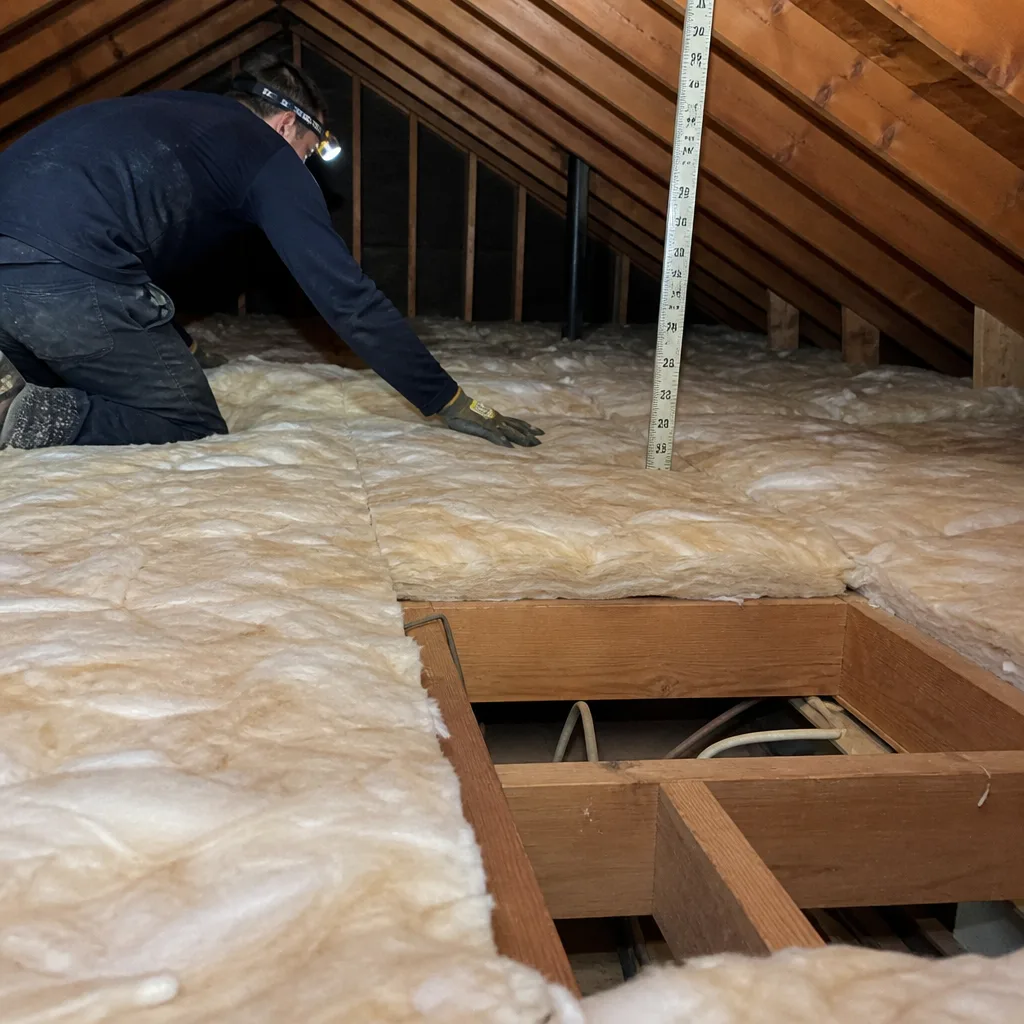
If your electric bill has crept past $400 a month in July or August, your attic insulation is the first place we look. Most La Quinta homes built from the late 1980s through the early 2000s still have original R-19 fiberglass batts, and in this climate, those batts have been through two decades of 150-degree cycling. That doesn’t just reduce performance. It settles, compresses, and in too many cases, becomes a rodent nesting ground that collapses it into near-zero R-value.
Why Placentia Insulation Is La Quinta’s Preferred Attic Insulation Company
We’re not a general contractor who occasionally insulates an attic. Insulation is the only trade we work in, and the crews we send to La Quinta spend every day in attics exactly like yours. Stucco tract homes off Jefferson Street, golf-course villas near PGA West, older custom builds along Eisenhower Mountain Drive. We’ve crawled through original low-slope attics in every major La Quinta neighborhood, and we know what we’re going to find before we open the hatch.
Alan Whitcomb leads our team, and his approach is simple: match the material to the job, not the job to whatever we have on the truck. Most insulation contractors carry one or two product lines. We stock and install eight brands, including CertainTeed, Icynene, Demilec, and GreenFiber, so the recommendation you get is based on what your attic actually needs. Whether that’s mineral wool for fire resistance, open-cell spray foam for a tight roofline, or blown-in cellulose for an older ceiling plane, the right product exists and we carry it.
When you call about Attic Insulation in La Quinta, we answer. You’re not routed through a call center, and no one’s going to read you a script. We schedule attic assessments in La Quinta within a few business days, and during peak summer months we prioritize homes where the AC is running nonstop and the bill reflects it. Response time matters when your attic is 150 degrees and your insulation is gone.
Radiant Barrier in La Quinta
A radiant barrier is the single most effective retrofit for attics in La Quinta’s solar load. The math is straightforward: when the sun pounds a tile or composite roof all day, the decking heats up and radiates downward into the attic. Standard insulation slows conductive heat transfer, but it does almost nothing for radiant heat. A radiant barrier stapled to the underside of the rafters reflects that energy before it ever reaches your ceiling plane. In La Quinta attics we regularly measure decking temperatures above 150°F in the afternoon; with a radiant barrier installed, the ceiling surface below drops by 20 to 30 degrees, and that difference shows up directly on your AC runtime. A typical radiant barrier retrofit in La Quinta runs $1,200 to $2,800 depending on attic square footage and roofline complexity, and it’s often the highest-ROI single upgrade we can make in a desert home.
PGA West and Golf Course Villas
For low-slope tile roofs common on PGA West and La Quinta Country Club villas, a radiant barrier changes how the entire attic performs. These older villas often have limited attic access and R-19 batts that have already collapsed. Before we can staple up the barrier, we typically need to address what’s underneath it. We’ve pulled barriers back down more than once because the insulation below wasn’t doing its job and the homeowner thought the barrier alone would fix a comfort problem. It doesn’t work that way. The barrier and the insulation work together, and in these older La Quinta homes, the sequence matters.
When Radiant Barrier Alone Isn’t Enough
If the attic still has original R-19 that rodents have tunneled through, a radiant barrier is a band-aid. We’re upfront about this in La Quinta because the failure mode here is highly predictable. Rodent-compacted insulation in PGA West attics has effectively zero R-value, and no amount of reflective foil above it will help. The right sequence is: remove and sanitize the contaminated material, air-seal the top plates, blow in new insulation to the correct depth for this climate zone, then install the radiant barrier. In La Quinta’s heat, that full sequence transforms a house.
Attic Cleaning Services in La Quinta
Attic cleaning in La Quinta is more involved than what most people picture when they hear the phrase. This isn’t dusting and vacuuming. In the Coachella Valley, attic cleaning frequently means removing rodent-contaminated insulation, sanitizing the attic floor and framing, and preparing the space for new material. Desert roof rats and ground squirrels move into attics through vent openings and construction gaps, and once they’re in, they tunnel through fiberglass batts, build nests, and leave waste throughout the insulation. That contaminated material has to come out before anything new goes in, and the process requires protective equipment and proper disposal. A full attic cleaning with contaminated insulation removal in La Quinta typically runs $2,500 to $5,500 for a standard single-family home, with larger villas and multi-zone attics at the higher end.
Rodent-Compromised Insulation in Older La Quinta Villas
We recently opened an attic hatch on a late-1980s PGA West villa off Championship Drive and found the original R-19 batts flattened into rodent runs under the low-slope tile roof. The decking read 158 degrees at mid-afternoon, and the insulation below it was doing nothing. After trapping, sanitizing, and hauling out the contaminated fiberglass, we air-sealed the top plates and blew in Owens Corning fiberglass to a desert-appropriate depth, then installed a radiant barrier to cut the attic’s solar gain. That sequence is common in La Quinta’s older villa communities. Rodents don’t just damage insulation. They turn it into a health issue, and cleaning has to happen before insulation can be replaced.
Dust-Cake and Settled Batts in 1990s Tract Homes
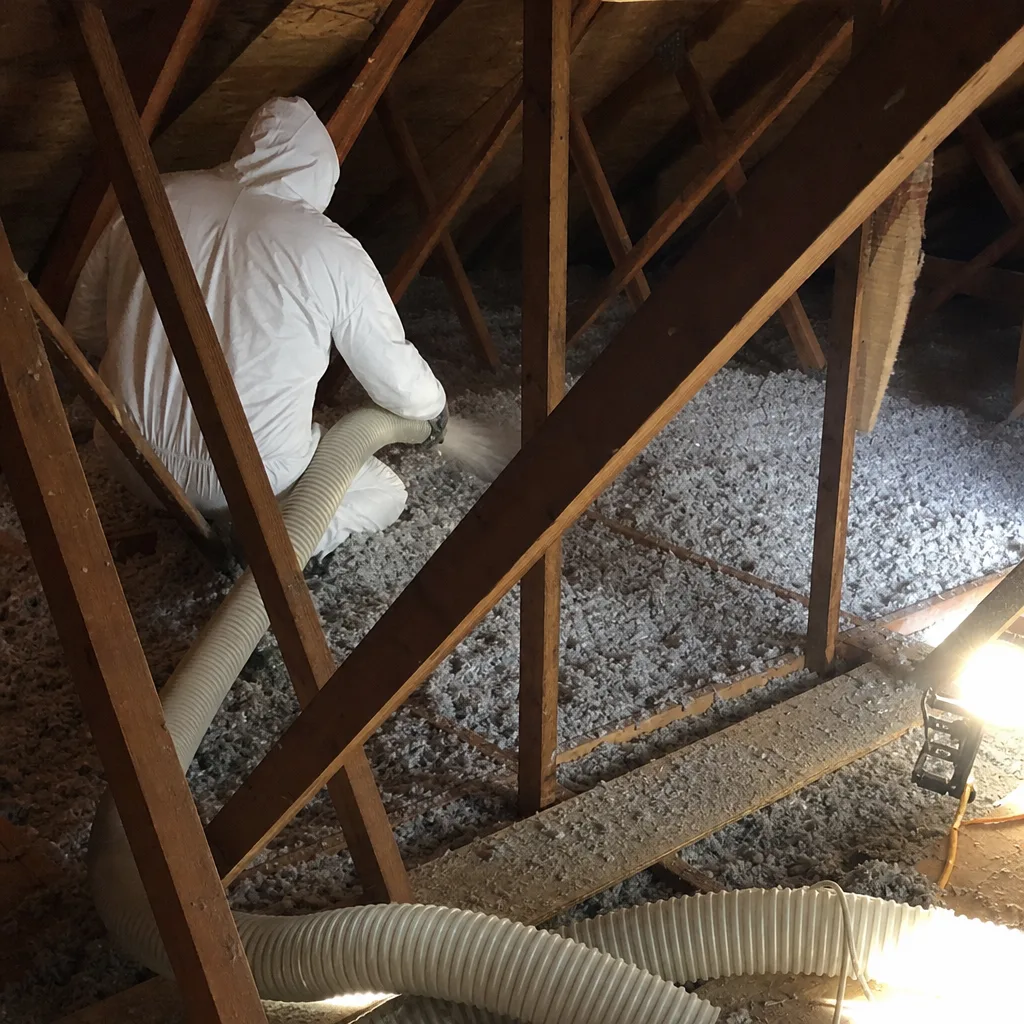
Not every La Quinta attic cleaning involves rodents. In the stucco tract homes built throughout the 1990s and 2000s, batts settle and dust-cake as the attic cycles between 40-degree winter nights and 160-degree summer afternoons. What starts as an R-19 batt loses loft year over year, leaving top plates and knee walls bare. We clean out the old material, inspect the framing, and prep for either new batts or blown-in insulation. The cleaning step ensures the new material isn’t fighting a layer of degraded dust and rodent debris under it.
What happens when you call
- 1
A real person answersNo phone trees — you reach a local pro.
- 2
You get an upfront price rangeHonest numbers before anyone is dispatched.
- 3
A background-checked tech heads outLicensed & insured, dispatched right away.
- 4
You approve before work beginsNothing starts until you say go.
Trusted Brands We Service in La Quinta
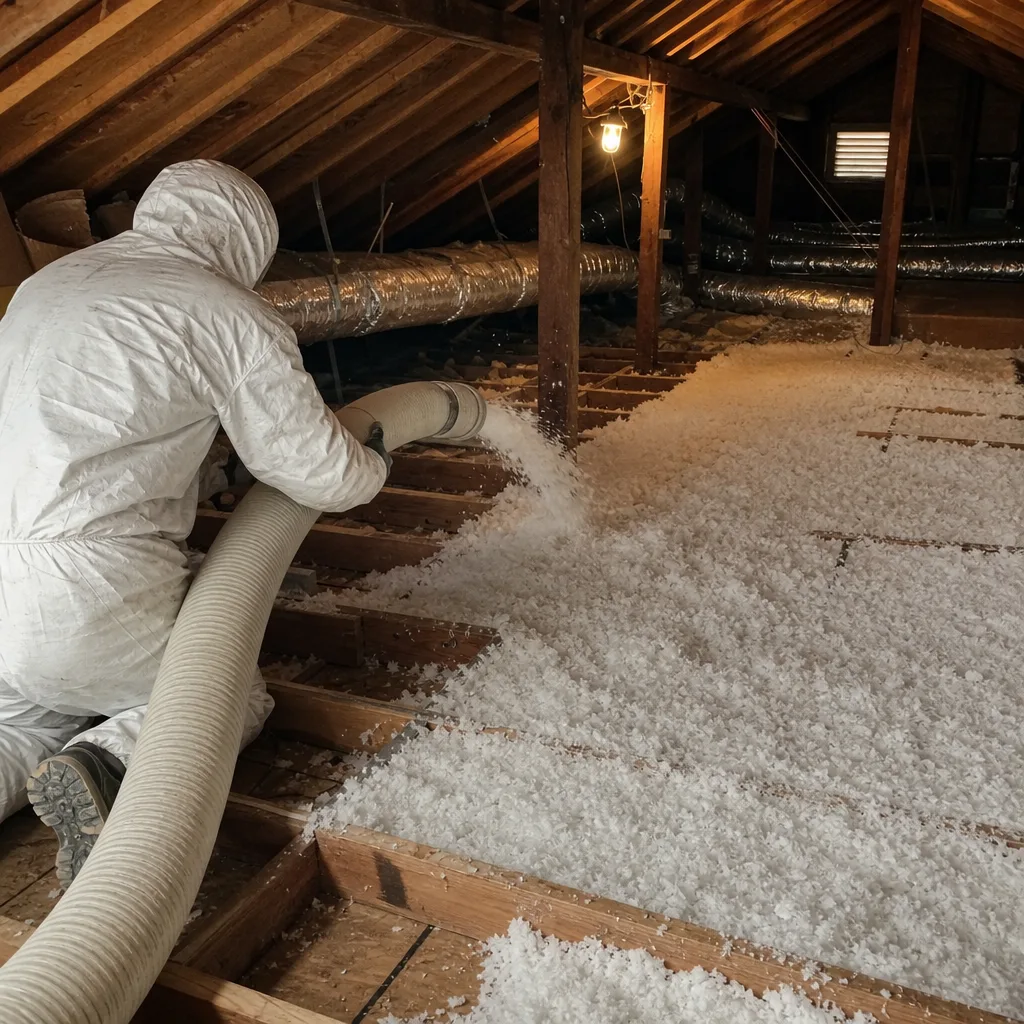
We service and install CertainTeed, Icynene, Demilec, and GreenFiber products throughout La Quinta, alongside the full range of Owens Corning, Johns Manville, Knauf, and Rockwool materials we stock. For La Quinta homeowners, that breadth means we’re not forcing a single brand into every attic. A 1990s stucco tract home with a conventional vented attic might get blown-in GreenFiber cellulose. A PGA West villa with a low-slope roofline and no place for deep insulation might get Icynene open-cell foam. A homeowner prioritizing fire resistance near the hillsides might get Rockwool batts. We stock the materials, we know how each performs in desert heat, and our La Quinta customers get a recommendation based on their attic’s actual conditions, not our inventory.
Common Attic Insulation Problems We See in La Quinta Homes
- Rodent-tunneled batts in PGA West and La Quinta Country Club villas. Roof rats and ground squirrels tunnel through original R-19 fiberglass and compress it into dense, heat-conducting mats with almost no R-value left. We routinely pull out batts that look intact from the hatch but are hollowed out underneath.
- Settled and dust-caked insulation in 1990s tract homes. Two decades of 150-degree attic cycling breaks down fiberglass binder, and batts lose their loft. Ceiling planes in these La Quinta homes end up with bare spots over top plates and around can lights.
- No radiant barrier under tile and composite roofs. Bare roof decking radiates downward through under-insulated ceilings, and in a La Quinta August, that radiant load is the difference between a $250 bill and a $450 bill. The house stays comfortable, but the AC is running far longer than it should.
- Original R-19 that never met code for this climate zone. Many La Quinta homes were built when R-19 was considered sufficient for a desert attic. It isn’t. Modern guidance for this climate calls for significantly more, and retrofitting to the right depth changes how the whole house holds temperature.
Pricing for Attic Insulation in La Quinta, CA
What does attic insulation cost in La Quinta? It depends on what’s in the attic now and what it should be, but here are real numbers from jobs we’ve done across La Quinta’s 92247, 92248, and 92253 ZIP codes. A straightforward blown-in insulation top-up over existing but settled batts runs $1,800 to $3,500 for a typical single-family home. Full removal of rodent-contaminated insulation, air-sealing, and new blown-in insulation runs $4,000 to $8,500 depending on attic size and contamination level. Radiant barrier installation runs $1,200 to $2,800. A PGA West villa with a complex low-slope roof and difficult access will land at the higher end of these ranges. Every La Quinta job starts with a free attic assessment, and we give you the number before any work begins. Call (855) 773-6429 to schedule one.
We Also Serve Cities Near La Quinta
If you’re in a neighboring community, we cover the whole Coachella Valley. That includes regular work in Indian Wells, Palm Desert, Bermuda Dunes, and Indio. The attic conditions in those cities mirror what we see in La Quinta: aging desert construction, heat-cycled insulation, and the same rodent pressure in older golf-course communities. Our La Quinta crews also serve these nearby areas, and the same eight-brand material library and desert-specific recommendations apply.
Serving La Quinta, CA — Our Local Coverage Area
We’re based in the La Quinta area and know this community well. Use the map below to see our service coverage — if you’re nearby, we can almost certainly help.
FAQs About Attic Insulation in La Quinta
Look for three signs: droppings or tunneling visible at the attic hatch, compressed or flattened batts that have lost their loft, and a persistent musty or ammonia-like smell in the attic or in rooms below it. In PGA West and La Quinta Country Club attics, we find rodent damage even when no one has heard scratching. The only way to confirm is to get up in the attic and inspect the insulation directly. Call (855) 773-6429 and we’ll do that assessment for free.
Blown-in insulation should come first in most 1990s La Quinta tract homes, because the original R-19 batts have settled and no longer cover the ceiling plane effectively. A radiant barrier is powerful, but it doesn’t fix missing insulation. Once the attic has proper insulation depth, a radiant barrier becomes the next-highest-impact upgrade for cutting solar heat gain. We can do both in the same visit.
We remove all contaminated material in sealed bags, sanitize the attic floor and framing with an antimicrobial treatment, repair the entry points that let rodents in, and then install new insulation with a pest-resistant profile. That last part matters in La Quinta Country Club and PGA West, because the rodent pressure doesn’t go away. We also recommend replacing vent screens and sealing construction gaps so the problem doesn’t return.
Your house stays comfortable because the AC is working hard to fight the heat, not because the attic is cool. La Quinta attics under low-slope tile roofs routinely hit 150 to 160°F in summer, and that heat accelerates fiberglass binder breakdown and causes insulation to settle and lose loft. The AC masks the problem until the bill arrives. By then, the insulation has already degraded, and the system is running far more than it should.
We install CertainTeed and Owens Corning fiberglass, GreenFiber blown-in cellulose, Rockwool mineral wool, and Icynene and Demilec spray foam, both open-cell and closed-cell. For La Quinta’s climate, blown-in fiberglass or cellulose to modern depth plus a radiant barrier is the most common combination we recommend, but a PGA West villa with limited attic space might call for closed-cell foam under the roof deck instead. The right material depends on the attic, and we carry all of them.
Call Placentia Insulation for Attic Insulation in La Quinta
If your La Quinta home is struggling with high summer bills, uneven room temperatures, or insulation that’s been there since the original build, we’re ready to look at it. Alan Whitcomb and our insulation crews know La Quinta attics because we’re in them every week, pulling out rodent-compacted R-19 in PGA West, air-sealing 1990s tract homes off Jefferson Street, and installing radiant barriers under tile roofs throughout the valley. Call (855) 773-6429 to schedule a free attic assessment. We’ll show you exactly what’s in your attic now and what it should cost to fix it.
Written by Alan Whitcomb, Owner at Placentia Insulation, serving La Quinta and the Coachella Valley with attic insulation, spray foam, and blown-in insulation.