
Fast, Reliable Attic Insulation Across Norco
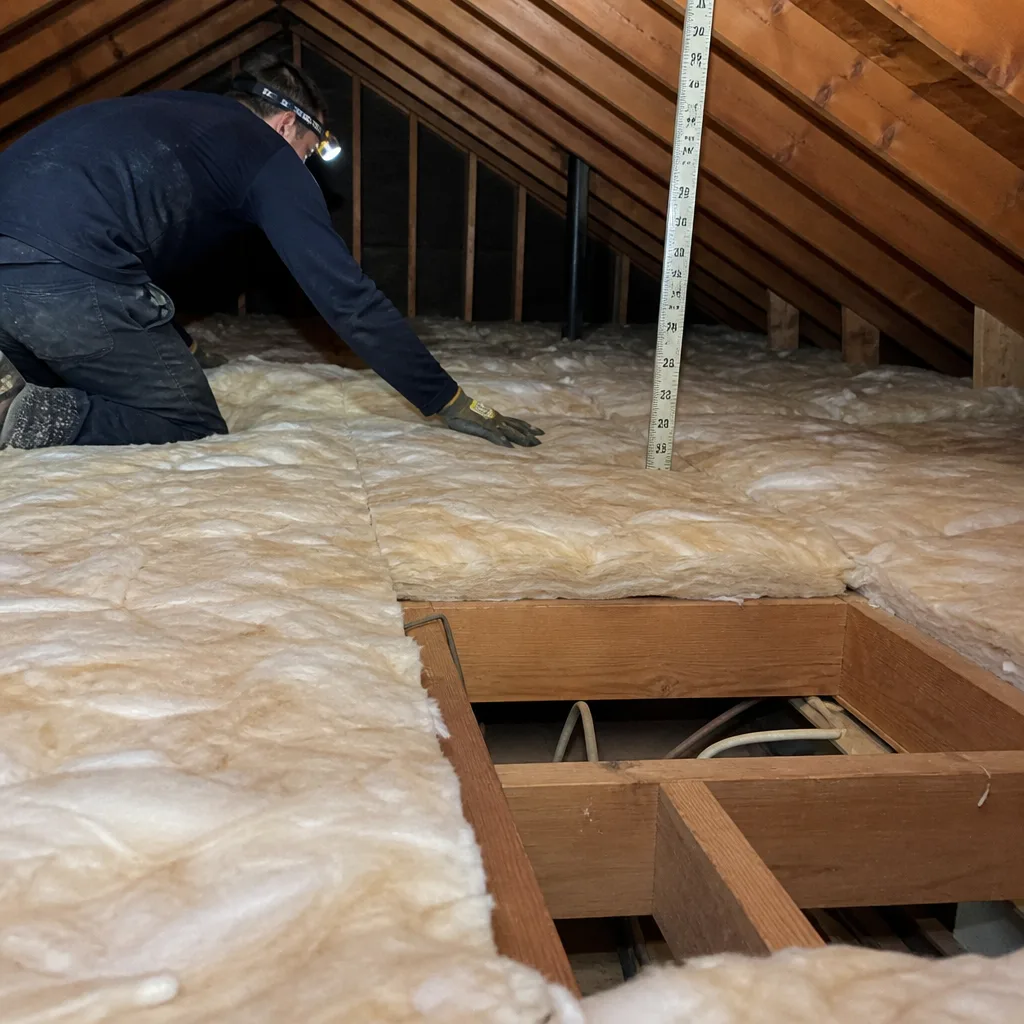
Attic insulation in Norco doesn’t work like it does in a Corona or Eastvale tract home. Half-acre lots, horse zoning, barns with lofts, detached workshops built decades before anyone thought about R-value. We’re in Norco weekly, and we know what’s waiting in those attics: compacted fiberglass from the 1970s, uninsulated tack rooms, exposed rafters with nothing between the roof deck and the living space below. If your AC is running nonstop and the upstairs still feels like an oven by 3 p.m., the attic is almost always the problem. Call Placentia Insulation at (855) 773-6429 for a free attic assessment, and we’ll tell you exactly what’s going on up there.
Why Placentia Insulation Is Norco’s Preferred Attic Insulation Company
We’re an insulation-only contractor, which means every call we take in Norco is about one trade. Not plumbing. Not roofing. Insulation. That focus matters when you’re dealing with a 1960s ranch on Sixth Street with original blown-in fiberglass that’s settled to nothing, or a converted barn loft off Corydon Avenue with no thermal barrier at all. Our crews have run insulation into more Norco barn lofts, tack rooms, and detached workshops than we can count. Alan Whitcomb built the company around product fluency: eight brands in inventory, three installation methods, and a habit of matching the material to the structure rather than forcing whatever’s on the truck. When a Norco homeowner calls, we don’t have to guess what we’re walking into. We’ve seen the housing stock. We know the lot layouts. We know which 92860 streets have the oldest attics and which outbuildings were never permitted.
Radiant Barrier in Norco
Radiant barrier is the single most effective add-on for Norco attics because summer heat gain through the roof is the dominant comfort problem here, not winter heat loss. A radiant barrier stapled to the underside of the roof rafters reflects radiant heat back toward the roof deck before it ever reaches your insulation. In Norco’s 100°F-plus summer afternoons, that can drop attic temperatures by 20 to 30 degrees, which directly reduces the load on your AC. We install radiant barrier for Norco homeowners in the 92860 zip code for $1.50 to $3.00 per square foot depending on attic configuration and access.
Where It Pays Off Fastest
Single-story ranch homes with dark composition shingles and open attics benefit most. Those roofs absorb direct sun all day, and without a radiant barrier, all that heat radiates down into the insulation, saturating it by late afternoon. In a converted barn loft or detached workshop with no insulation at all, radiant barrier plus blown-in works together: the barrier stops the radiated heat, and the insulation handles the conducted heat.
What We See in Norco Attics Before Install
Before we staple barrier, we check venting. A radiant barrier without adequate ridge or soffit vents can trap moisture in cooler months, even in this dry climate. Norco attics from the 1950s through 1980s often have undersized gable vents and no soffit intake, so we’ll address that first. We don’t skip it. The barrier only works if the attic can breathe.
Attic Cleaning Services in Norco
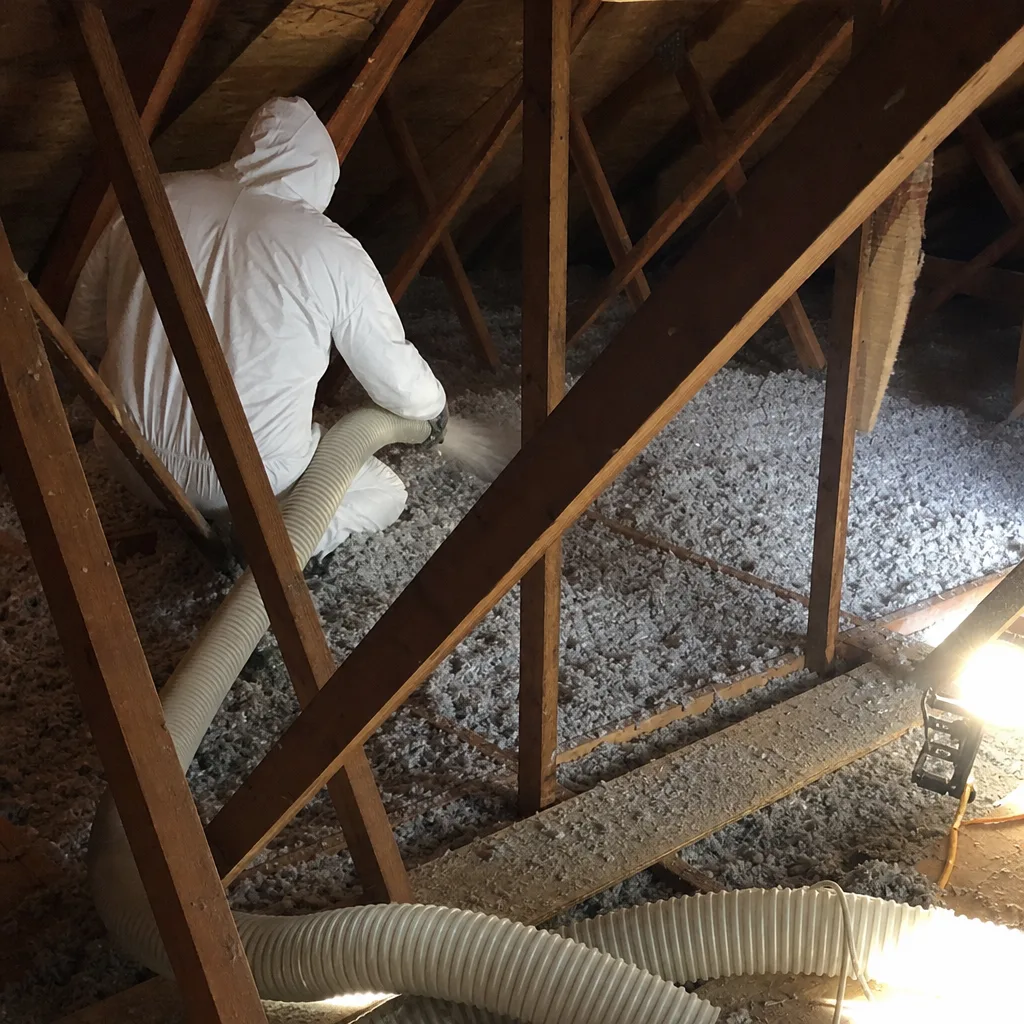
Attic cleaning services in Norco usually start with a problem most homeowners never see from below: years of settled dust, rodent droppings, old nesting material, and compacted insulation that’s lost its loft and R-value. We vacuum out the old material, remove debris, sanitize the deck, and prepare the space for new insulation. For a Norco attic of 1,500 square feet, cleaning typically runs $1,200 to $2,500 before new insulation goes in, and it’s often the right call when the existing layer is 40-plus years old or has been compromised.
Before Blown-In Goes Down
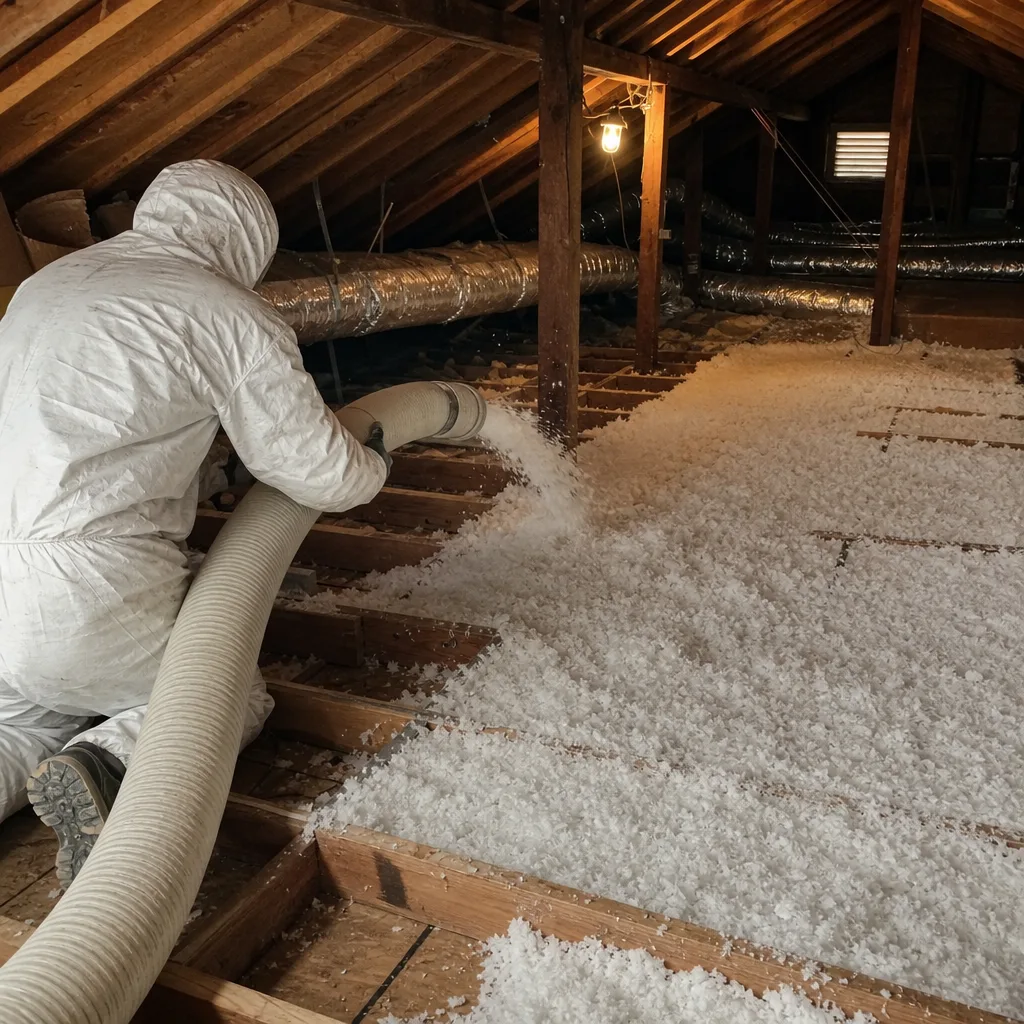
You don’t want fresh GreenFiber blown over a layer of compacted, dust-laden fiberglass from 1972. It traps the old material’s problems under the new product and can interfere with air sealing. We clean first, inspect the top plates and penetrations, seal what needs sealing, then blow in the new material to a consistent depth. That’s the correct sequence, and it’s the sequence most generalist contractors skip.
When the Attic Hasn’t Been Touched in Decades
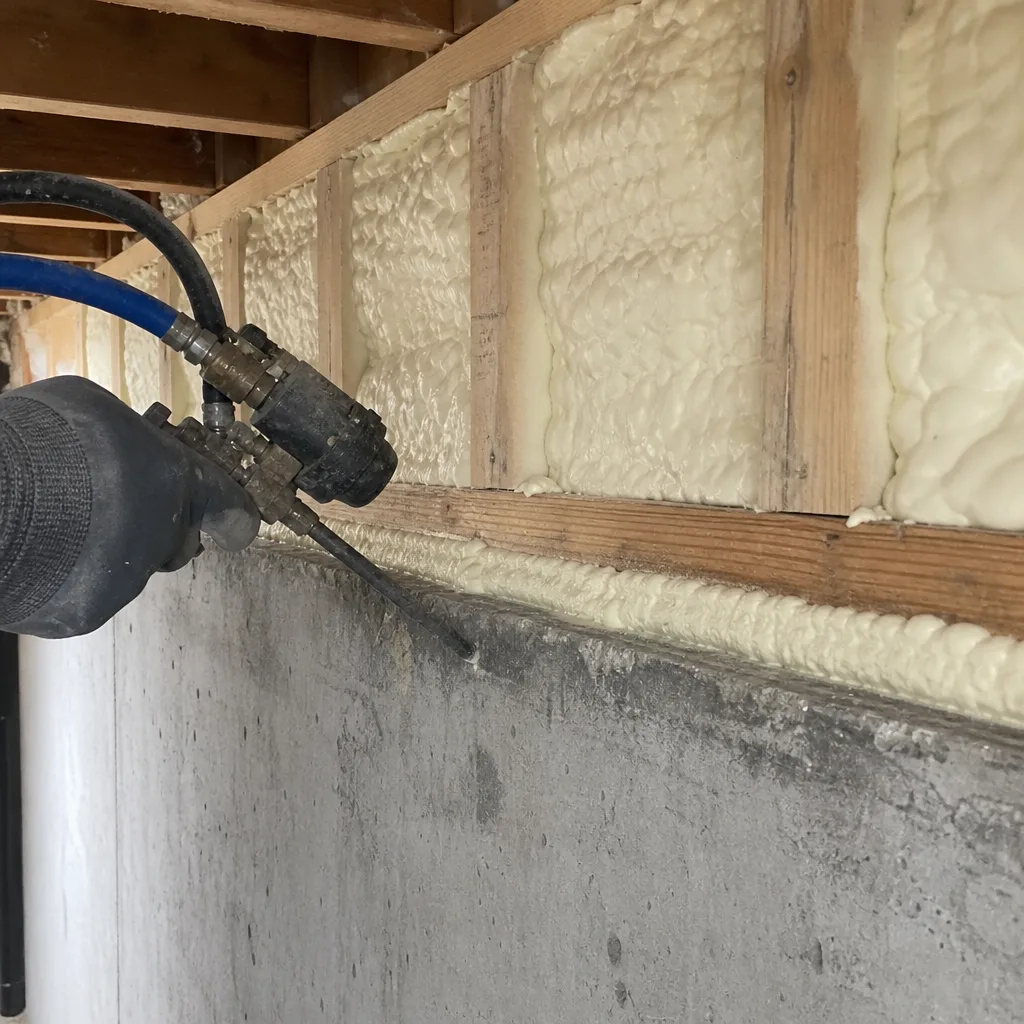
Norco’s housing stock tends to be original. If you bought a ranch home and the attic looks like it hasn’t changed since the Eisenhower administration, cleaning is the honest first step. It gives us a clear view of the framing, lets us find gaps around recessed lights and vents, and gets the space ready for whatever material we recommend.
What happens when you call
- 1
A real person answersNo phone trees — you reach a local pro.
- 2
You get an upfront price rangeHonest numbers before anyone is dispatched.
- 3
A background-checked tech heads outLicensed & insured, dispatched right away.
- 4
You approve before work beginsNothing starts until you say go.
Trusted Brands We Service in Norco
We carry and install across eight brands, including CertainTeed for batt and rolled fiberglass, GreenFiber for blown-in cellulose, Icynene and Demilec for open- and closed-cell spray foam, and Johns Manville, Knauf, Rockwool, and Owens Corning for a range of thermal, acoustic, and fire-resistance needs. For Norco attics specifically, we keep GreenFiber and CertainTeed in steady stock because they solve the most common local problems: settling, heat resistance, and coverage over large open ranch attics. Call (855) 773-6429 and tell us what structure you’re dealing with, and we’ll tell you which material fits it.
Common Attic Insulation Problems We See in Norco Homes
- Compacted blown-in fiberglass from the 1950s – 1980s. Decades of Inland Empire heat break down the material’s loft, and it settles into a dense, under-performing mat that can measure only three to four inches deep. The ceiling below stays hot even though the attic looks like it has something in it.
- Uninsulated barn lofts and tack rooms. Norco’s horse zoning means many properties have detached structures that were never built to residential code. When owners convert those lofts or tack rooms into offices, hangouts, or guest quarters, we find exposed rafters, zero insulation, and no air sealing anywhere.
- Open ranch-style attics with unsealed top plates and gaps. Older Norco ranches often have unsealed top plates around interior and exterior walls, plus gaps around recessed light fixtures and chase penetrations. Attic heat pours into the living space through those leaks, which is why some homes stay hot even with new insulation.
- Detached garages and RV structures with no thermal break. Large lots mean large outbuildings. We regularly find detached two- and three-car garages on Norco properties with open bays, exposed framing, and not a single batt of insulation. When the owner uses that space for a workshop or vehicle storage, the heat gain is brutal by late afternoon.
Pricing for Attic Insulation in Norco, CA
Attic insulation pricing in Norco runs on three main factors: the structure’s square footage, the material you choose, and whether we’re cleaning out old material first. For a standard 1,200 – 1,800 square foot ranch attic, blown-in GreenFiber cellulose typically runs $2,200 to $4,500 installed. Batt insulation with CertainTeed fiberglass lands between $1,800 and $3,800 depending on R-value and access. Radiant barrier adds $1.50 to $3.00 per square foot. Detached barn lofts and tack rooms are priced separately per structure because they have different framing, different access, and usually need everything from scratch. We give free, line-itemed estimates for every Norco job, and we don’t bundle the main house with an outbuilding into one vague number. Call (855) 773-6429 to schedule a walkthrough.
We Also Serve Cities Near Norco
Beyond Norco, we run crews into Eastvale, Home Gardens, Corona, and Jurupa Valley. Each area has its own housing patterns: Eastvale’s newer tract homes have different attics than Norco’s 1970s ranches, and Corona’s hillside properties bring their own quirks. If you’re in one of those cities or talking to someone who is, our Attic Insulation team covers the whole corridor. And if you’re researching specifically in this area, our Norco page goes deeper on local pricing and common failures.
Serving Norco, CA — Our Local Coverage Area
We’re based in the Norco area and know this community well. Use the map below to see our service coverage — if you’re nearby, we can almost certainly help.
FAQs About Attic Insulation in Norco
Yes. We treat each structure as its own project. A barn loft with exposed rafters typically gets different treatment than a conditioned attic in the main house: the framing is different, venting is usually absent, and the use case (storage, workshop, living space) determines the material. We scope and price the barn loft or tack room separately from the main house, and we’ll tell you what’s feasible before any work begins. Call (855) 773-6429 with a rough description of the structure and we’ll give you a straight answer.
Because the original blown-in fiberglass has almost certainly settled. In a 1970s Norco ranch, we often measure only three to four inches of settled material where there should be 12 to 14. The insulation is still up there, but it’s lost its loft and its R-value. Add in unsealed top plates and gaps around recessed lights, and attic heat has a direct path down into the house. The fix is usually an attic clean-out followed by fresh blown-in cellulose and air sealing.
Yes, and in Norco it often delivers more immediate comfort than adding more insulation alone. Summer roof temperatures here can exceed 140°F, and a radiant barrier keeps most of that radiated heat out of the attic space. We recommend it as an add-on to fresh blown-in insulation in almost every Norco ranch home with an open, vented attic.
We do. Detached garages, RV barns, workshops, and equipment sheds on Norco’s larger lots are a routine part of our scope. These structures usually have zero insulation and open framing, so we insulate based on how you use the space: full batt for a heated workshop, blown-in for a low-traffic storage area, or spray foam where you need a thermal and air barrier in one. We’ll scope each structure separately.
We remove all the old insulation with a high-powered vacuum, clear out debris and any nesting material, sanitize the deck where necessary, and inspect the framing, top plates, vents, and penetrations. Then we recommend any air sealing needed before new material goes down. The cleaning step is what lets us give you an honest insulation recommendation instead of just layering new material over degraded old fiberglass.
Written by Alan Whitcomb, Owner at Placentia Insulation, serving Norco and the surrounding Inland Empire since the company’s founding.