Fast, Reliable Attic Insulation Across Avocado Heights
Attic insulation in Avocado Heights usually means working around low-pitch roofs, settled batts, and attic temperatures that hit 140°F by mid-afternoon in July. We handle all of it. Placentia Insulation runs dedicated insulation crews into Avocado Heights every week, and most jobs are completed in a single visit because we bring the right equipment and enough material for the job the first time. If your energy bills spike every summer and certain rooms never cool down, give us a call at (855) 773-6429. We’ll tell you exactly what’s going on up there and what it takes to fix it.
Why Placentia Insulation Is Avocado Heights’s Preferred Attic Insulation Company
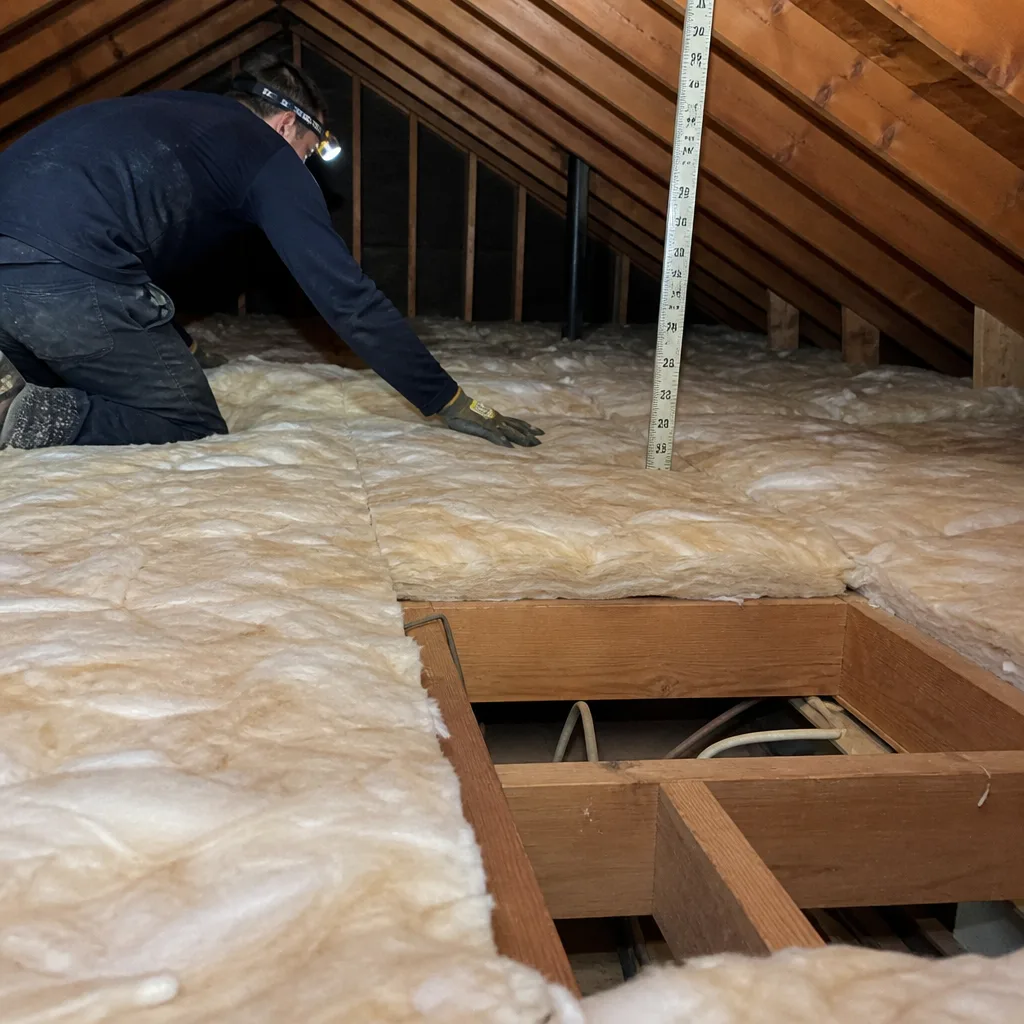
Avocado Heights homes aren’t like the newer tracts further east. Most were built between the 1950s and 1970s, and their attics show it. We’ve been inside enough of them to know what to expect before we even open the hatch: flattened fiberglass, old loose-fill that’s settled to nothing, and eave lines that most crews never bothered to reach. That’s why we send techs who understand low-clearance work and carry dense-pack equipment as standard on Avocado Heights jobs. The unincorporated nature of the area also means no city building department running dispatch on every permit nuance, so we move faster than you might expect from a larger municipal job.
Homeowners here tend to ask sharp questions about material choices, and we’d rather have that conversation than give a one-size-fits-all quote. When a homeowner on Workman Mill Road or near Don Julian Road asks why we recommend GreenFiber cellulose over another batt layer, we can explain the air-sealing difference and the R-value per inch. That’s the conversation a specialist has. Alan Whitcomb, who runs Placentia Insulation, built the company around exactly this: matching the material to the house, not the house to whatever product is on the truck.
Radiant Barrier in Avocado Heights
A radiant barrier in Avocado Heights changes how your attic handles the inland San Gabriel Valley sun, and it’s one of the highest-impact upgrades you can make on a low-pitch ranch home where the roof deck sits close to the ceiling. Attic temperatures here routinely push past 140°F in summer. That heat radiates down into your living space even when you have insulation on the attic floor, because the insulation slows conduction but does little against radiant transfer. A properly installed radiant barrier reflects that heat back up toward the roof before it ever reaches your insulation, which keeps the insulation cooler and more effective. In Avocado Heights, a radiant barrier typically runs $1.50 to $2.75 per square foot installed, depending on whether it’s stapled to the rafters or laid over existing insulation.
What It Involves on Low-Pitch Roofs
Low-pitch roofs create a specific challenge. The gap between your ceiling and the roof deck can be as little as 18 inches at the edges, which means installers need to work in tight spaces and can’t just walk the attic like they would in a newer home with truss framing. We run the barrier in sections, starting at the ridge and working down toward the eaves, stapling to the underside of the rafters and leaving the proper air gap that makes the barrier actually work. On homes where the rafters are too tight to work safely, we lay the barrier over the insulation on the attic floor instead, which still cuts a significant share of the radiant load.
When an Avocado Heights Homeowner Needs One
You need a radiant barrier if your air conditioner runs constantly from June through September and your attic is so hot in late afternoon that the ceiling feels warm to the touch. That’s common here. Homes with original insulation that has settled to R-7 or worse are effectively baking from above. A radiant barrier won’t replace insulation, but paired with a proper R-38 blown-in layer it takes a meaningful bite out of cooling demand. We see this combination work especially well on the east-west oriented ranch homes that catch sun all day with no shade from the Puente Hills.
Attic Cleaning Services in Avocado Heights
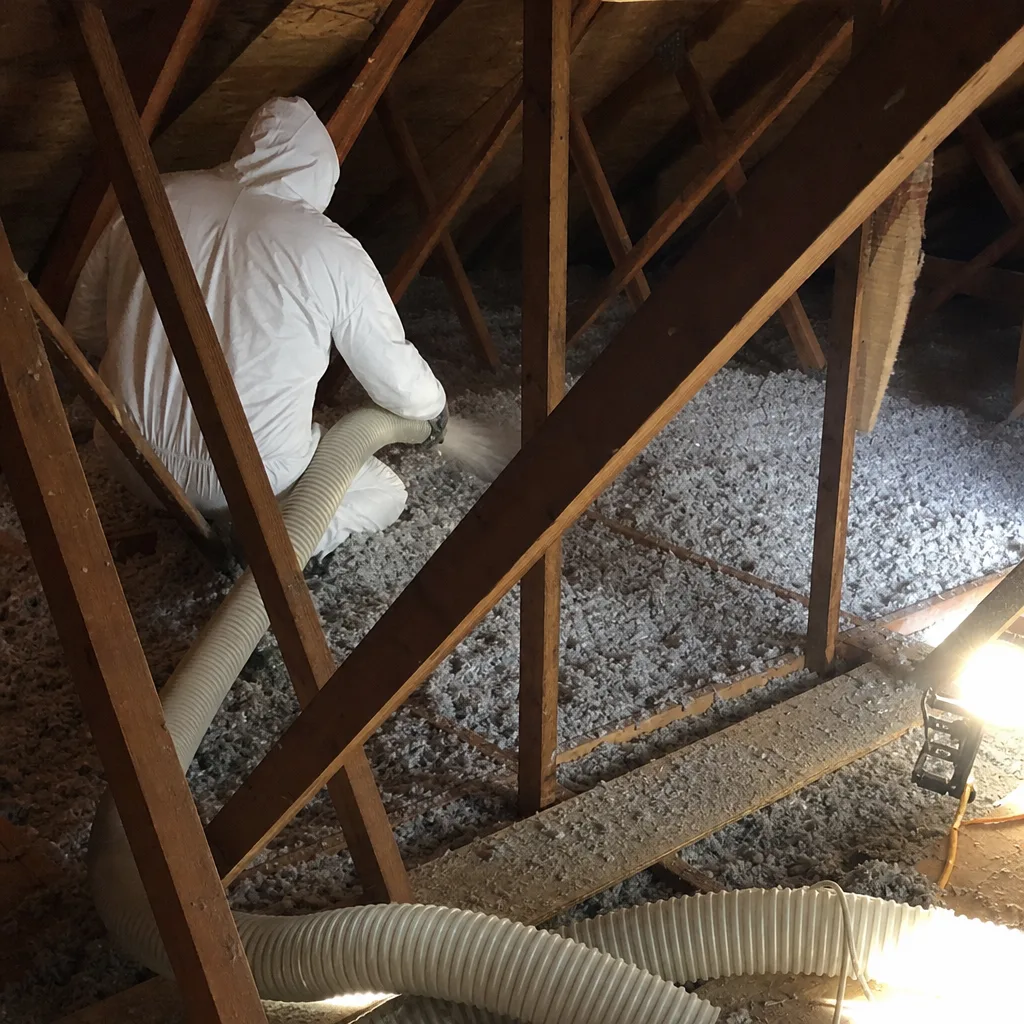
Attic cleaning services in Avocado Heights are usually the first step on an older home, not an afterthought. Between the decades of heat, the rodent traffic that follows the hillside terrain, and original insulation that’s been flattened into a mat, most of these attics need to come out before new insulation goes in. We remove the old material, vacuum out the dust and droppings, and leave you a clean deck for insulation that will actually perform. Coming from the 91746 area, that old attic dust often contains fiberglass particles, rodent waste, and years of accumulated debris that you don’t want blowing through your ductwork or seeping into the living space. Attic cleaning in Avocado Heights typically runs $1.25 to $2.25 per square foot when bundled with new insulation, or $1.75 to $3.00 per square foot as a standalone service.
Rodent Damage and Sanitizing
Rodents are a fact of life near the Puente Hills. Rats and mice get in through vents, around plumbing penetrations, and through the gaps between the roof deck and fascia that low-pitch roofs are prone to. They tunnel through insulation, which compresses it into a shell of what it once was. That’s why a big share of our Avocado Heights cleaning jobs are on homes where the insulation looks intact from the hatch but reads R-7 or less in the field. We remove all of it.
Air Sealing After the Cleanout
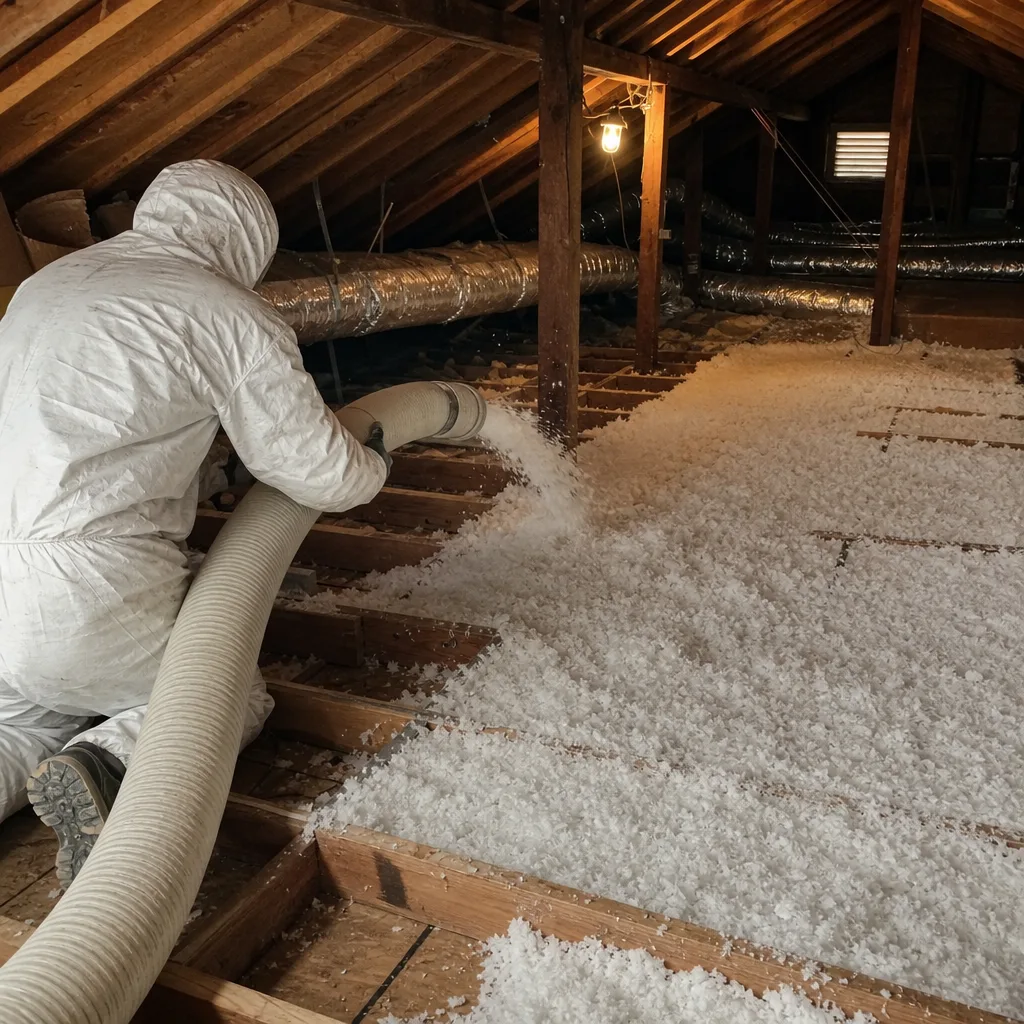
Once the attic is clean, the smartest move is air sealing before new insulation goes in. Top plates, wire penetrations, can lights: these all leak conditioned air out and pull attic dust into your rooms. In Avocado Heights, where winter mornings get cold enough for condensation in poorly sealed walls, air sealing matters as much as the insulation itself. We seal what we can reach, then dense-pack the new material to the target R-value.
What happens when you call
- 1
A real person answersNo phone trees — you reach a local pro.
- 2
You get an upfront price rangeHonest numbers before anyone is dispatched.
- 3
A background-checked tech heads outLicensed & insured, dispatched right away.
- 4
You approve before work beginsNothing starts until you say go.
Trusted Brands We Service in Avocado Heights
We carry Rockwool mineral wool for Avocado Heights homeowners who want fire resistance and sound dampening along with thermal performance, and CertainTeed fiberglass for batt applications in accessible attics. For low-clearance ranch homes, we lean heavily on GreenFiber cellulose blown through a dense-pack tube, because it reaches the eaves where standard batts won’t go. If a home needs spray foam, we stock both Icynene open-cell and Demilec closed-cell and choose the chemistry based on the roof assembly and the homeowner’s budget. Most insulation companies carry one or two product lines. We carry eight, which means an Avocado Heights home gets the material that actually fits its roof pitch, framing, and climate, not whatever the installer’s supplier happened to have on the truck that week.
Common Attic Insulation Problems We See in Avocado Heights Homes
- Flattened batts and dead cellulose: Decades of 140°F attic heat bake fiberglass and cellulose until they compact, and rodent tunnels crisscross whatever’s left. We regularly measure R-7 or less in homes where the original spec called for R-30.
- Uninsulated eaves on low-pitch roofs: When the roof deck sits close to the ceiling, the outer two to three feet of attic are nearly impossible to reach without dense-pack equipment. Many prior installs stop short of the eaves, leaving a thermal ring that causes condensation in winter and heat gain in summer.
- Uninsulated exterior walls in 1950s-70s stucco homes: Most Avocado Heights homes have no wall insulation at all. The stucco absorbs heat all day, the framing leaks air, and the attic ends up fighting a losing battle against a house that can’t hold conditioned air.
- Radiant oven effect on east-west oriented homes: Ranch homes that sit broadside to the sun take an all-day thermal beating, especially the ones with little shade from the hills. Without a radiant barrier, the attic becomes a heat reservoir that keeps radiating into the house long after sunset.
Pricing for Attic Insulation in Avocado Heights, CA
A typical attic insulation job in Avocado Heights runs $1,800 to $4,200 for a full removal and re-insulation on a 1,200 to 1,800 square foot ranch, depending on access and target R-value. Attic insulation top-up, where we blow new material over stable existing insulation, runs $1,200 to $2,800. Attic batt insulation in accessible attics with standard framing runs $1.50 to $3.00 per square foot installed. Blown-in dense-pack work in low-clearance homes, which most Avocado Heights jobs are, runs $2.50 to $4.00 per square foot. Attic baffles and ventilation prep add $300 to $700 on most homes. Radiant barrier work runs $1.50 to $2.75 per square foot. Attic cleaning bundles in at $1.25 to $2.25 per square foot. Every estimate is free, and Alan Whitcomb reviews the scope himself before we quote. Call (855) 773-6429 and we’ll get you exact numbers.
We Also Serve Cities Near Avocado Heights
Our crews run from West Puente Valley up through La Puente, over to Valinda, and into El Monte throughout the week. If you’re in any of these areas, the same Attic Insulation team covers your home. For a deeper look at what we do specifically in this area, see Attic Insulation in Avocado Heights.
Serving Avocado Heights, CA — Our Local Coverage Area
We’re based in the Avocado Heights area and know this community well. Use the map below to see our service coverage — if you’re nearby, we can almost certainly help.
FAQs About Attic Insulation in Avocado Heights
Because the insulation you have is likely doing very little. Original batts in 1950s-70s ranch homes have been flattened by decades of 140°F attic heat and rodent traffic, dropping to R-7 or less. Add an unshaded, east-west roof orientation near the Puente Hills and you have the conditions for a radiant oven. The fix is removal, air sealing, new material to R-38 or better, and in many cases a radiant barrier. Call (855) 773-6429 and we’ll measure what’s actually up there.
Yes, in most cases we complete low-pitch attic jobs in a single visit. We bring dense-pack equipment on Avocado Heights jobs specifically to reach the eaves that standard crews skip, which means we don’t need to schedule a second trip once we see the access. Alan Whitcomb sends techs who have worked these roofs before and know what to expect.
Remove it. Flattened fiberglass and rodent-tunneled cellulose can’t be re-fluffed into effectiveness, and leaving it under new insulation just creates a compressed layer that still doesn’t insulate. We remove the old material, clean and air seal the attic, and dense-pack new insulation to the target R-value. For most Avocado Heights homes that means GreenFiber cellulose at R-38, which fills the edges where batts never reached.
Most will benefit from both, but insulation comes first. A radiant barrier reflects heat before it hits the insulation, which keeps the insulation cooler and more effective through the summer. On low-pitch, unshaded ranch homes in Avocado Heights, the combination of dense-packed R-38 insulation and a radiant barrier typically delivers the biggest cooling-season impact. We’ll tell you honestly if yours is a house where the barrier makes sense or where insulation alone will do the job.
Warm, moist air from the living space leaks into the attic through unsealed top plates, can lights, and wire penetrations, then hits the underside of a cold roof deck and condenses. Homes with uninsulated stucco exterior walls are worse, because the framing itself conducts cold air into the wall cavities. Air sealing before insulating stops that air movement at the source. The condensation isn’t a roof problem, it’s an air sealing problem, and it’s one we fix on nearly every older Avocado Heights home we open up.
Written by Alan Whitcomb, Owner at Placentia Insulation, serving Avocado Heights since day one.