
Fast, Reliable Attic Insulation Across Rowland Heights
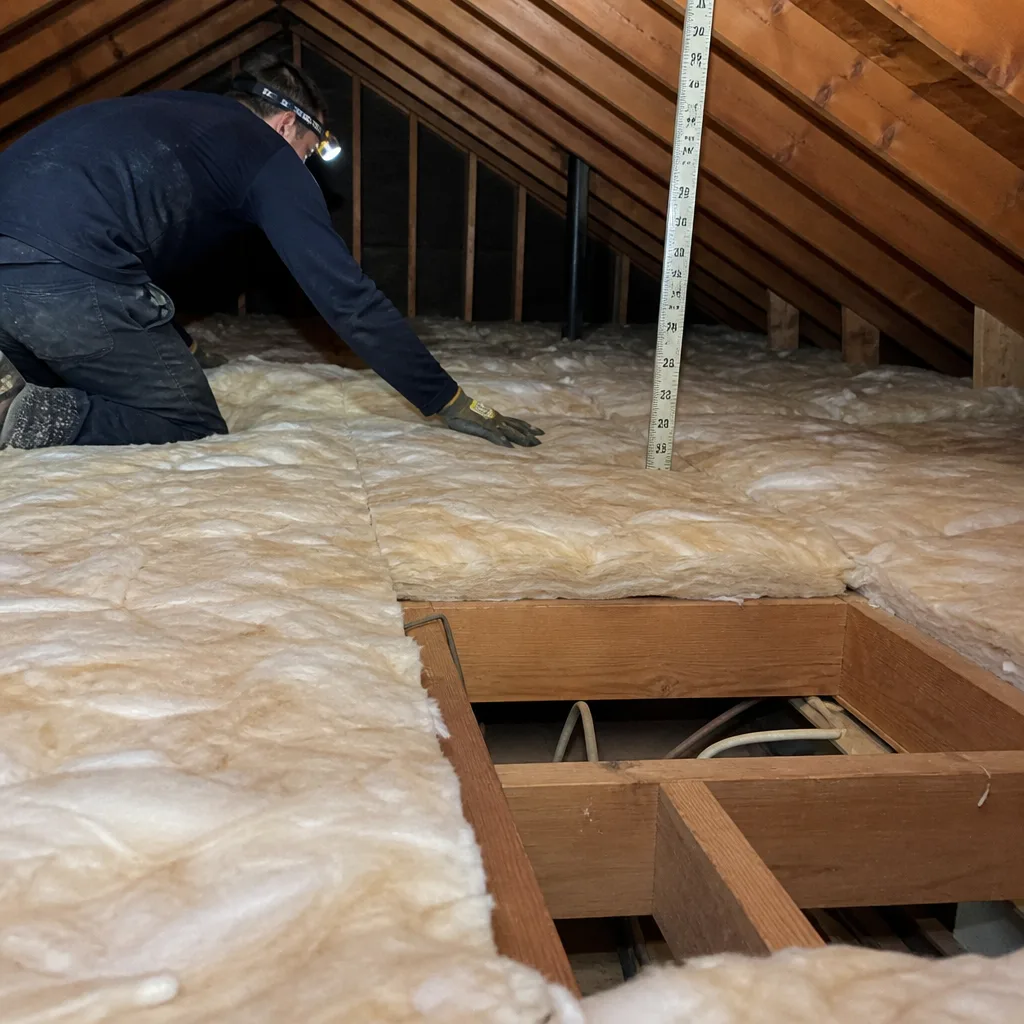
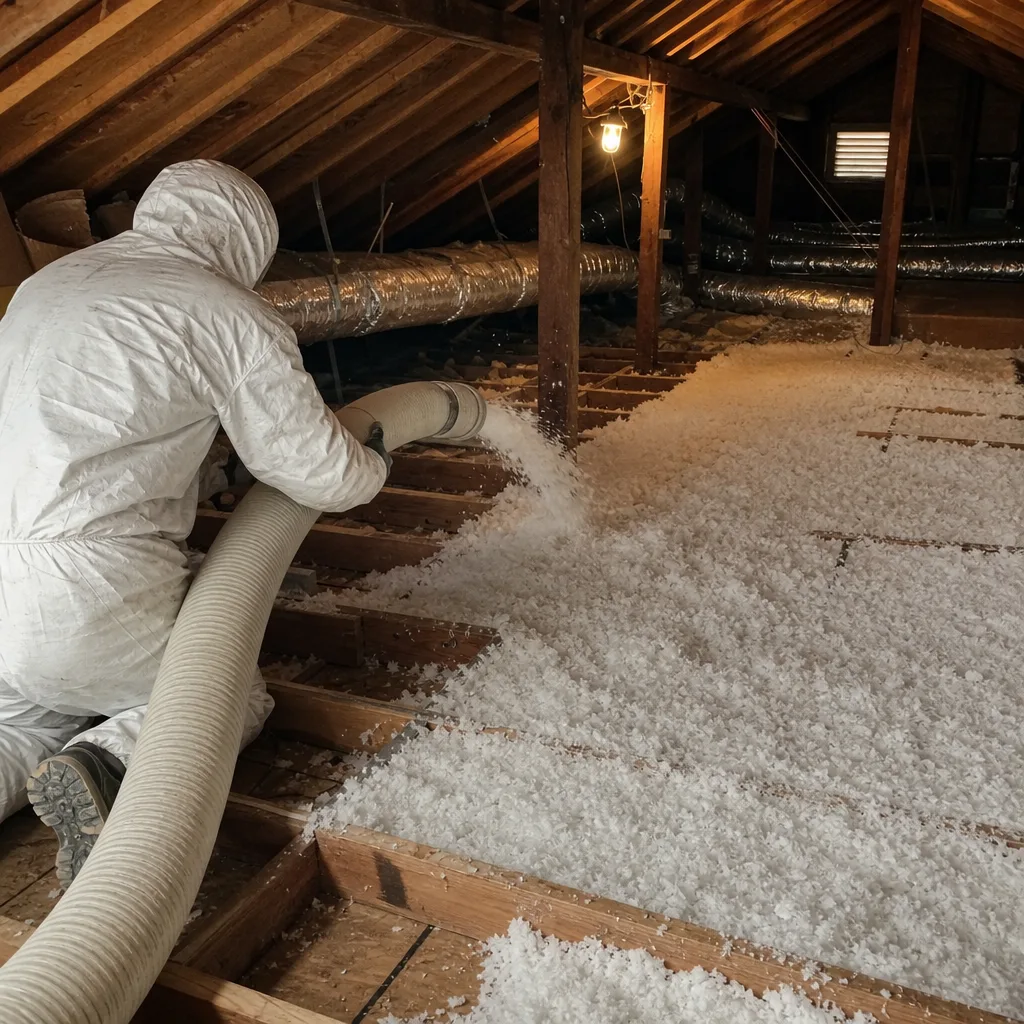
Attic insulation in Rowland Heights has to work harder than almost anywhere else in Los Angeles County. Your attic swings from 150°F-plus summer afternoons to 30-degree winter nights, and if the insulation up there is original to a 1960s or 1970s tract home, it’s not doing its job anymore. We know this because we work in Rowland Heights attics every week, re-leveling compacted cellulose, removing degraded fiberglass, and rebuilding thermal barriers that actually hold up to this climate. If your energy bills climb every August and your upstairs bedrooms never quite cool down, call us at (855) 773-6429. We’ll diagnose exactly what’s happening above your ceiling and give you a straight answer.
Attic Insulation in Rowland Heights: What It Costs and Why This Climate Demands More
The core question most Rowland Heights homeowners ask us is simple: what does this cost, and why does my attic get so hot? Here’s the direct answer. A typical attic insulation upgrade in Rowland Heights runs $1,800 to $4,200 depending on attic size, existing material condition, and whether air sealing is included. If you’re adding a radiant barrier on top of new insulation, expect to add another $800 to $1,600. Blown-in cellulose for a standard 1,500-square-foot attic typically lands between $1,500 and $2,800. Batt insulation replacement with Owens Corning or CertainTeed R-38 runs $1,600 to $3,400. These are real ranges for this market, and we’ll give you an exact number before any work starts.
The reason costs skew toward the higher end in Rowland Heights specifically is the temperature swing. Homes here need R-38 minimum, and many need R-49 in cathedral or vaulted sections. Coastal LA homes can get away with less. Yours can’t. When your attic hits 150°F in July and your AC runs for 10 hours straight, that heat is radiating straight down through your ceilings. Insulation isn’t an afterthought in Rowland Heights. It’s the difference between an AC that cycles and an AC that never stops.
For a deeper look at how we approach this work, see our Attic Insulation page covering materials, R-values, and installation methods in detail.
Why Placentia Insulation Is Rowland Heights’s Preferred Attic Insulation Company
We’re a pure-play insulation contractor. That means every crew member who shows up at your Rowland Heights home does insulation work all day, every day. Not plumbing on Monday and insulation on Tuesday. Alan Whitcomb built Placentia Insulation around a simple principle: match the material to the job, not the job to whatever we have on the truck. That’s why we carry eight brands, including Rockwool, CertainTeed, Icynene, and Demilec. Most insulation contractors stock one or two product lines. We stock eight, which means a 1960s ranch off Colima Road gets a different solution than a 1990s two-story near Pathfinder Park.
We also know Rowland Heights housing stock intimately. The original R-11 fiberglass batts in homes built from the 1960s through the 1980s have settled, compressed, and degraded. We see it constantly. The stucco exteriors and wood-frame construction that dominate neighborhoods along Fullerton Road and Colima Road often lack proper air sealing, which means hot attic air infiltrates living spaces even after new insulation goes in. We address that at the source.
When you call Rowland Heights, we answer. We’re based in Placentia, about 20 minutes away, and we schedule Rowland Heights jobs within the same week in most cases. Emergency situations where attic heat is actively damaging stored belongings or causing unsafe indoor temperatures can often be seen within 24 to 48 hours.
Radiant Barrier in Rowland Heights
Radiant Barrier in Rowland Heights is one of the highest-impact upgrades you can make to an attic that bakes under direct foothill sun. A radiant barrier is a reflective foil layer installed under the roof deck or over existing insulation that blocks radiant heat transfer. In a Rowland Heights attic that hits 150°F or more in July and August, a radiant barrier can drop attic temperatures by 20 to 30 degrees. That means less heat radiating down into your living spaces and less load on your air conditioner.
For a typical Rowland Heights attic between 1,200 and 2,000 square feet, radiant barrier installation runs $800 to $1,600 depending on whether it’s stapled to the rafters or laid over the insulation. It works best in wood-frame stucco homes with asphalt shingle roofs, which describes most of the housing stock here. And it pairs exceptionally well with a full insulation upgrade. If you’re replacing settled R-11 with fresh R-38, adding a radiant barrier at the same time is the most cost-effective way to tackle the heat gain problem from both directions.
One thing to understand: radiant barrier isn’t a substitute for insulation. It’s a complement. It blocks radiant heat, but it doesn’t slow conductive heat transfer the way fiberglass, cellulose, or mineral wool does. In Rowland Heights, where winter nights dip into the 30s, you need both. We’ll tell you honestly whether a radiant barrier makes sense for your specific attic configuration, and if your roofline doesn’t support one, we’ll say so and recommend the right alternative.
How We Install It
For most Rowland Heights homes, we staple the radiant barrier to the underside of the roof rafters, leaving a small air gap between the foil and the roof sheathing. That gap is what allows the foil to reflect heat rather than conduct it. In attics with low clearance or complex truss systems, laying the radiant barrier over the top of blown-in insulation is the better option. We assess your specific attic geometry before recommending either approach.
When You Need It
If your second floor or single-story home feels noticeably hotter than outside by late afternoon, or if your AC struggles to hold 78 degrees during a Rowland Heights heat wave, your attic is almost certainly part of the problem. Radiant barrier becomes especially worth the investment when your attic already has some insulation but temperatures up there still spike past 140°F. If your attic is under-insulated as well, do both at once. The labor overlap saves money.
Attic Cleaning Services in Rowland Heights
Attic Cleaning Services in Rowland Heights aren’t a luxury. They’re a prerequisite for any insulation work we do here. The dry heat, the Santa Ana winds, and the older housing stock combine to fill attics with dust, rodent droppings, old nesting material, and degraded insulation fibers. Before we install new batts or blow in fresh cellulose, we need a clean substrate. Otherwise you’re just covering up contamination.
A full attic cleaning in Rowland Heights typically runs $600 to $1,400 depending on attic size, access difficulty, and what we’re dealing with up there. That includes removal of old or damaged insulation, vacuuming of dust and debris, and sanitizing the attic floor and joists. In homes with rodent activity, we also identify entry points and recommend sealing. We don’t do pest control, but we’ll tell you what we’re seeing and what needs attention before insulation goes back in.
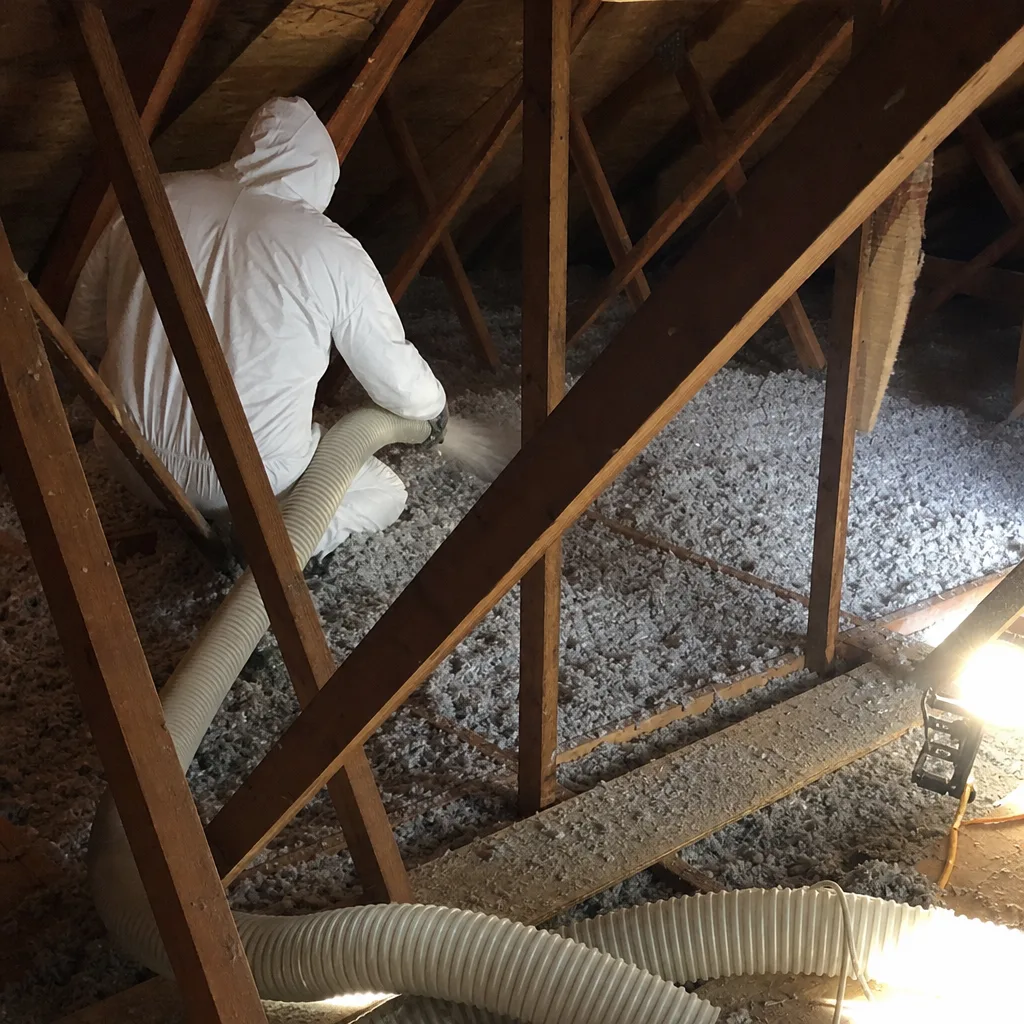
The hillside neighborhoods near Colima Road and Fullerton Road have a particular problem: blown-in cellulose that has compacted and shifted from years of seismic activity and dry heat. When we clean those attics, we’re often removing cellulose that’s lost half its original loft. You can’t just blow new material on top of that. It needs to come out, the surface needs to be prepped, and then the new insulation goes in level and even.
What We Remove
Old fiberglass batts that have absorbed dust and moisture, compacted cellulose that’s no longer performing, rodent nesting material, and any debris that’s accumulated over decades. We bag everything and remove it from your property. We don’t leave piles in your driveway or garage. The attic is left clean, dry, and ready for new insulation.
When to Clean First
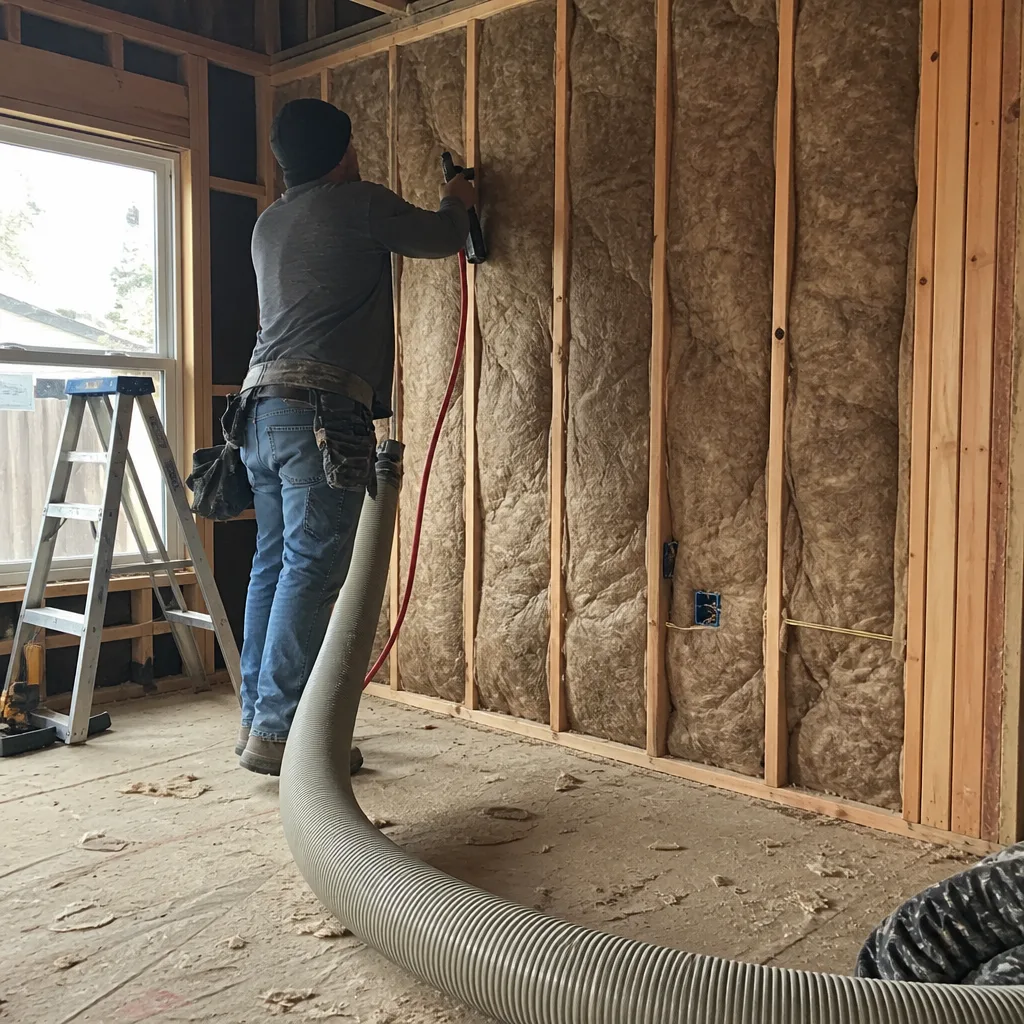
If you’ve been in your Rowland Heights home for more than 15 years and haven’t been in the attic, schedule a cleaning before you schedule insulation. If you smell musty odors coming from the ceiling, if you’ve had rodents, or if your insulation looks flat and compressed when you peek up there, cleaning comes first. We won’t install new insulation over old contaminated material. It defeats the purpose and shortens the life of what we put in.
What happens when you call
- 1
A real person answersNo phone trees — you reach a local pro.
- 2
You get an upfront price rangeHonest numbers before anyone is dispatched.
- 3
A background-checked tech heads outLicensed & insured, dispatched right away.
- 4
You approve before work beginsNothing starts until you say go.
Trusted Brands We Service in Rowland Heights
We stock and install materials from eight industry-leading manufacturers, so your Rowland Heights home gets the right product rather than whatever one supplier happens to carry. For Rowland Heights specifically, we lean on Rockwool for its fire resistance and sound dampening in hillside homes where wildfire is a real concern, CertainTeed fiberglass batts for standard R-38 and R-49 attic retrofits, and Icynene and Demilec spray foam when an open-cell or closed-cell application makes more sense than batts or blown-in material. Because we’re not married to one brand, we can be honest about trade-offs. That matters when you’re making a decision that affects your energy bills for the next 20 years. We keep materials stocked and ready for Rowland Heights jobs specifically, so scheduling doesn’t stall while we wait on a supplier.
Common Attic Insulation Problems We See in Rowland Heights Homes
- Settled original R-11 fiberglass batts. Most 1960s and 1970s tract homes in Rowland Heights were built with R-11 or R-13 batts. Fifty years later, those batts have compressed to half their intended thickness. What’s left up there is doing almost nothing.
- Compacted blown-in cellulose from seismic activity. The hillside neighborhoods near Colima Road and Fullerton Road have experienced enough small earthquakes over the decades to shift and compact loose-fill cellulose. The result is uneven R-value: some spots have R-30, some have R-8, and you can’t tell from looking at it.
- Missing air sealing in wood-frame stucco homes. Rowland Heights houses are almost all wood-frame with stucco exteriors. The gaps around plumbing penetrations, electrical boxes, and top plates let hot attic air seep into living spaces. New insulation alone won’t fix that. The air leaks have to be sealed first.
- Attic temperatures that exceed 150°F in summer. The San Gabriel Valley sun is relentless. Attics without adequate insulation and ventilation bake all day and radiate heat into the house all night. This is why so many Rowland Heights homeowners tell us their AC never seems to catch up in August.
Pricing for Attic Insulation in Rowland Heights, CA
Here’s what you can expect to pay for different scopes of work in Rowland Heights. A straightforward top-up of blown-in fiberglass or cellulose over existing insulation runs $900 to $1,800 for most attics. Full removal of old insulation, air sealing, and new R-38 batts runs $2,200 to $4,200. Radiant barrier addition runs $800 to $1,600. Attic cleaning as a standalone service runs $600 to $1,400. If you’re doing a full re-insulation, cleaning and air sealing are typically bundled into the quote rather than charged as separate line items. The variables that move your price: attic square footage, access difficulty, how much old material has to come out, and whether we’re adding a radiant barrier. Call (855) 773-6429 and we’ll give you a free estimate with specific numbers for your house, not a range pulled from a pricing chart.
We Also Serve Cities Near Rowland Heights
Placentia Insulation serves Rowland Heights and the surrounding communities across the San Gabriel Valley. We work regularly in South San Jose Hills, Walnut, Valinda, and Hacienda Heights. The same crews, the same eight-brand material library, and the same insulation-only focus apply no matter which of these cities you’re in. See our Attic Insulation in Rowland Heights page for local specifics on this service area.
Serving Rowland Heights, CA — Our Local Coverage Area
We’re based in the Rowland Heights area and know this community well. Use the map below to see our service coverage — if you’re nearby, we can almost certainly help.
FAQs About Attic Insulation in Rowland Heights
Your Rowland Heights attic gets hot because of direct San Gabriel Valley sun hitting your roof all day with no coastal marine layer to moderate it, combined with inadequate insulation and often insufficient ventilation. In July and August, attic temperatures routinely exceed 150°F. That heat radiates down through your ceiling into your living spaces, which is why your AC runs constantly even when it’s only 95 outside. The fix is a combination of proper R-38 or R-49 insulation, air sealing, and in many cases a radiant barrier. Call (855) 773-6429 for an attic assessment and we’ll tell you exactly which of those three is most needed in your house.
Replace them. Original R-11 fiberglass batts from a 1960s Rowland Heights ranch have settled, compressed, and absorbed decades of dust and moisture. Adding new insulation on top of degraded material doesn’t recover the lost performance. Full removal, air sealing, and fresh R-38 batts or blown-in cellulose is the right approach. We do this constantly in the ranch-style homes off Colima Road and Fullerton Road. The energy savings from a proper replacement typically pay for the project within a few years, especially given how hard your AC works every summer.
Seismic activity compacts loose-fill insulation, particularly blown-in cellulose. The repeated small earthquakes that occur along the foothill fault lines near Rowland Heights cause cellulose fibers to settle and shift, creating uneven R-value across your attic. Some areas end up with R-30, others with R-8, and you can’t see the difference from the attic access. We re-level and replace compacted cellulose regularly in Rowland Heights homes. It’s one of the most common issues we find during inspections.
If your attic regularly exceeds 140°F in summer and your cooling bills are high, a radiant barrier is very likely worth it. Rowland Heights attics hit 150°F or more during heat waves, and a radiant barrier can cut that by 20 to 30 degrees. That directly reduces how much heat radiates into your living spaces. The best candidates are homes with asphalt shingle roofs and adequate attic access. We’ll give you an honest recommendation during the estimate. Not every attic benefits equally, and we’ll tell you if yours is one of them. Call (855) 773-6429 to discuss whether a radiant barrier makes sense for your home.
For Rowland Heights specifically, the best approach is usually R-38 to R-49 batt or blown-in insulation with air sealing, plus a radiant barrier in the attic if you have the budget and roof configuration for it. Rockwool is an excellent choice for hillside homes concerned about fire resistance. Open-cell spray foam from Icynene or Demilec works well in homes with complex attic geometry or where air sealing is particularly difficult. Closed-cell spray foam adds structural rigidity but costs more. We match the material to your specific house, rather than defaulting to one product for every job. Call (855) 773-6429 and we’ll explain what your attic actually needs.
We recently re-leveled compacted blown-in cellulose in a 1970s ranch off Colima Road, where seismic settling had left R-11 coverage uneven and summer attic temps spiked past 150°F. After air-sealing and adding Owens Corning R-38 batts, the homeowner reported their AC cycling less and winter drafts gone. That’s the kind of outcome we aim for in every Rowland Heights attic we touch.
If your attic is underperforming, call us at (855) 773-6429 for a free estimate. We’ll inspect your attic, show you what’s actually up there, and give you a specific recommendation with real numbers. No pressure. Just insulation done right.
Written by Alan Whitcomb, Owner at Placentia Insulation, serving Rowland Heights since day one.