
Fast, Reliable Attic Insulation Across South San Jose Hills
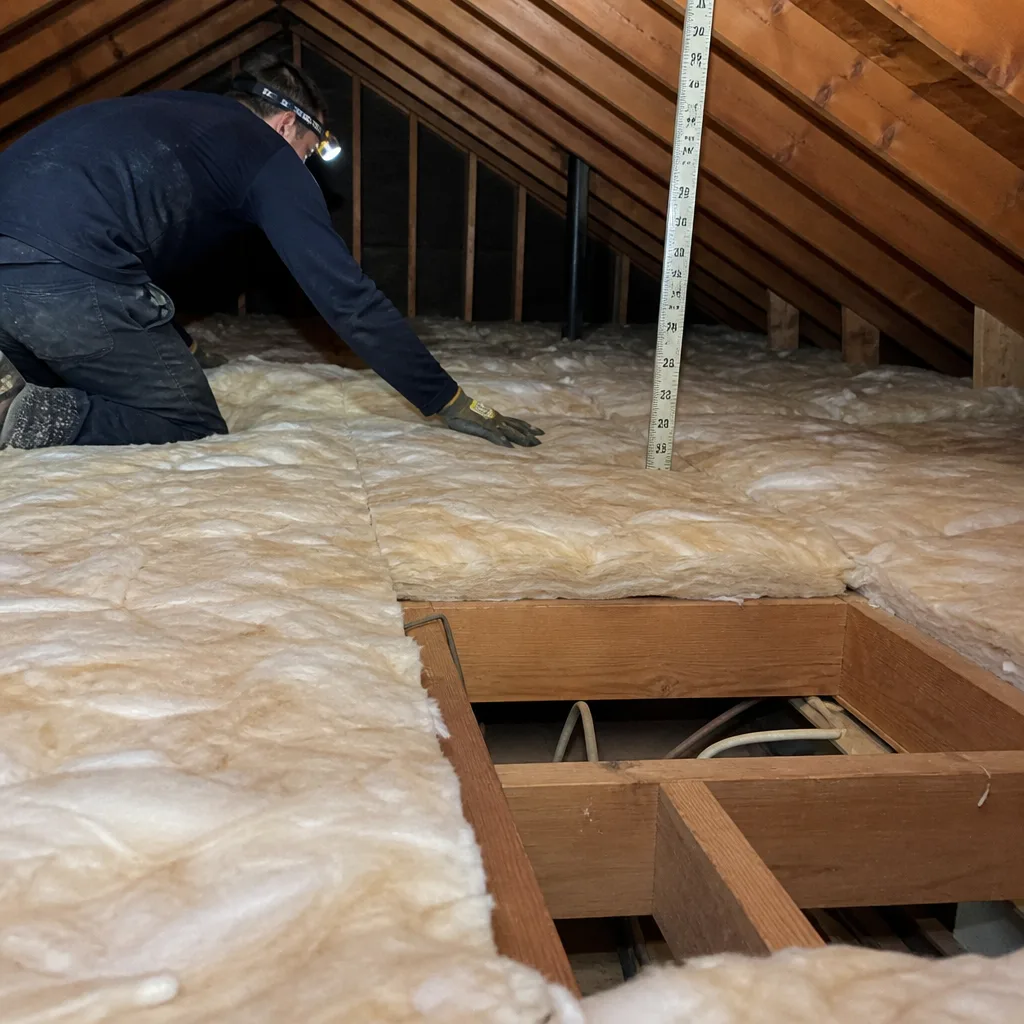
Attic insulation in South San Jose Hills is not a one-size-fits-all job. The hillside tracts in ZIP 91792 were built into slopes, which means attics often run from cramped knee-wall spaces on one side to unusually tall sections on the other. Our crew works both shapes in a single visit, because we map the framing and vent paths before we blow a single bag. If you’re noticing hot upstairs rooms in August or a furnace that runs all winter, call (855) 773-6429 and we’ll take a look. We serve the whole 91792 area, from Valley Boulevard up into the hillside subdivisions.
Why Placentia Insulation Is South San Jose Hills’s Preferred Attic Insulation Company
South San Jose Hills homeowners call us because we understand what slope-built homes actually do to insulation. The low side of an attic compresses whatever blanket was laid in the 70s or 80s. The tall side traps heat that should have left through the vents. Most generalist contractors never look at both ends of that problem. We do, every single time.
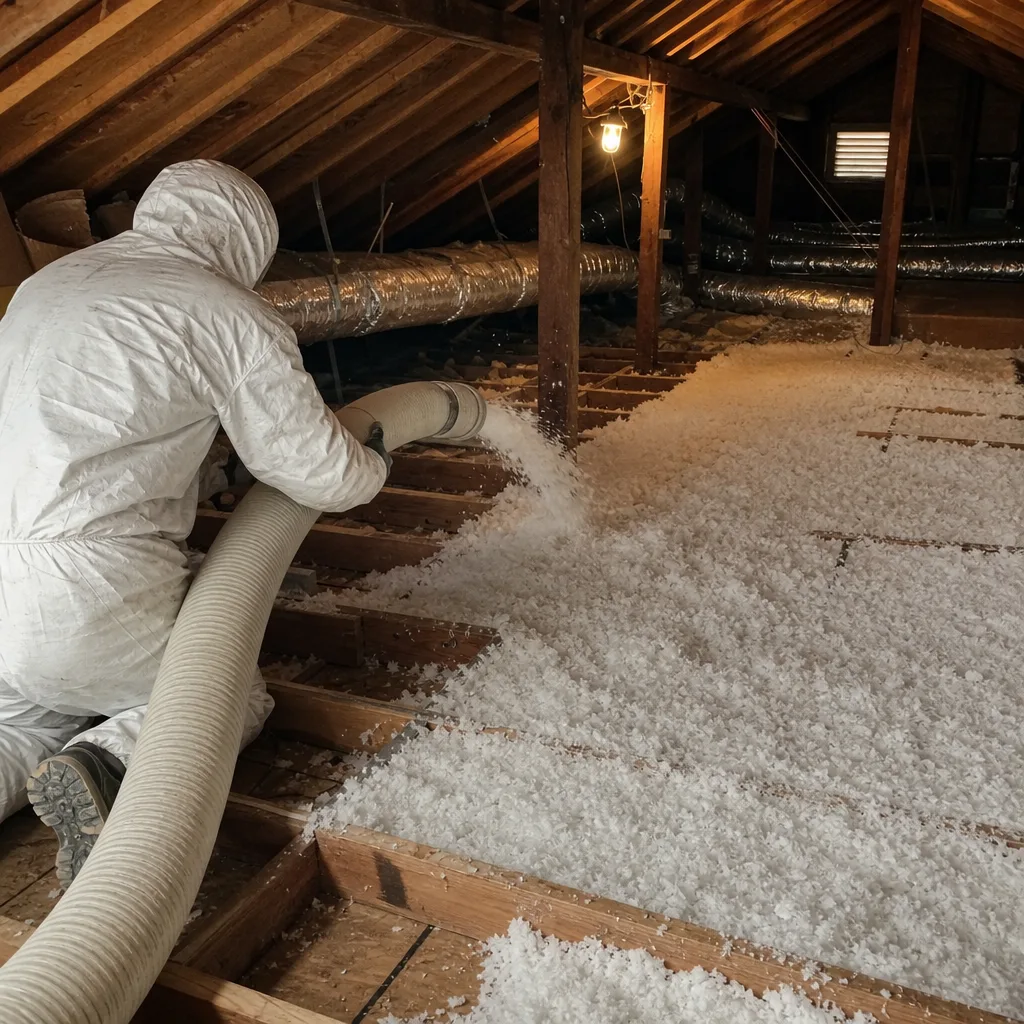
Alan Whitcomb built Placentia Insulation around one trade: insulation. Not roofing, not HVAC, not a handyman service that does insulation on Tuesdays. Our crews work attic insulation, spray foam, and blown-in every day. That focus is why we carry eight material brands, so the recommendation is made by what the house needs, not what one supplier stocks. We match the material to the job, not the job to whatever we have on the truck.
For South San Jose Hills specifically, that brand portfolio matters. Slope-adapted attics need different approaches on the low side and the high side, and a single-brand installer cannot always cover both. We bring Owens Corning, GreenFiber, Icynene, Demilec, and others, and choose based on the framing we actually find up there.
Call (855) 773-6429 for a free estimate. We know the 91792 tracts and we’ll be straight with you about what’s worth doing.
Attic Ventilation in South San Jose Hills
Attic ventilation in South San Jose Hills is a bigger issue than in the flatter parts of the San Gabriel Valley because slope-adaptive framing often pinches off soffit airflow. When a home climbs a hill, the builders framed the attic to follow the lot, not to keep vent channels clear. The result is a tall, hot attic on the uphill side that never gets fresh air, and a low side where the insulation blocks the intake vents entirely.
Ventilation work here typically involves checking every soffit bay for blockage, clearing debris and old insulation, installing baffles along the rafter line, and confirming the roof vents line up with the new airflow path. We do this before we blow new insulation, because adding insulation to an unvented attic just bakes the framing faster. For most South San Jose Hills homes, attic ventilation prep runs $400 to $900 depending on how many soffit bays need baffles and how much old material has to be cleared first.
Blocked Soffit Intakes on Hillside Lots
Homes on the downhill side of a 91792 tract often have soffit vents buried under fiberglass that was shoved in decades ago. Our crew clears the intake path, secures baffles, and makes sure air moves from the low eave to the high roof vent. This is a prep step, not an afterthought.
High-Side Heat Trapping
The tall side of an attic acts like a chimney for solar gain. Without a clear path from soffit to roof vent, that heat sits there all afternoon and pushes into the living space below. We sequence the baffle work first, then insulation, so the attic actually breathes on both sides of the slope.
Radiant Barrier in South San Jose Hills
Radiant barrier in South San Jose Hills earns its keep because the inland eastern San Gabriel Valley gets intense, direct sun on south-facing roof decks. When a stucco hillside home sits with its roof plane angled into the afternoon sun, attic temperatures climb well past the outdoor air temperature. A radiant barrier reflects that heat back out before it radiates into the insulation and the rooms below.
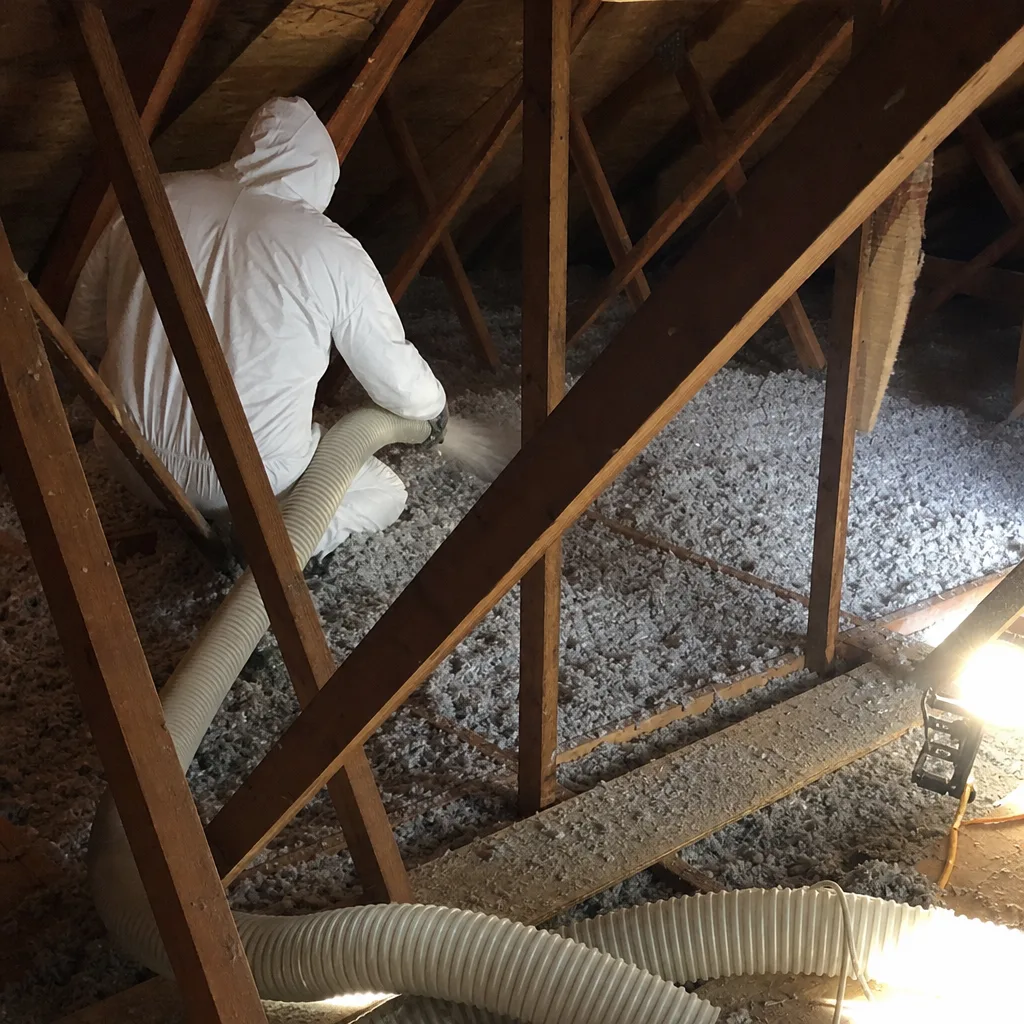
The work involves stapling a reflective layer to the underside of the roof rafters, leaving an air gap so the barrier can do its job. It is most effective on the high, exposed side of a slope-built attic, the section that gets the longest sun exposure. For a typical South San Jose Hills home, radiant barrier installation runs $1,200 to $2,800, sized by the square footage of roof deck and how accessible the rafter bays are. Homes with very low knee-wall sections on the downhill side may only need barrier on the uphill half, which keeps the cost down.
Reflective Layer in the Tall Sections
The tall uphill attics are where radiant barrier pays off fastest. That is the roof deck that takes direct sun from early afternoon until sunset. We staple the barrier with a consistent air gap, which is the difference between a performing radiant barrier and a shiny ceiling ornament.
Combining Barrier With New Blown-In Insulation
Radiant barrier works with the insulation above the ceiling, not instead of it. On a 91792 tract home, the sequence is usually: clear and baffle the vents, install the barrier on the hot roof planes, then blow the insulation to the target depth. One visit, one crew, no coming back for a second section.
Trusted Brands We Service in South San Jose Hills
We install and service a full portfolio of attic insulation brands so South San Jose Hills homeowners get the right material for a hillside attic, not whatever one supplier happens to stock. GreenFiber blown-in cellulose is a workhorse here for deep coverage over irregular framing. Owens Corning fiberglass works well in standard rafter bays and top-up jobs over existing batts. For homes that need air sealing plus insulation, Icynene spray foam handles the odd angles and gaps that slope-built attics create. We keep material on hand for fast turnaround across the 91792 area, which means we are not waiting on a distributor before we start.
Common Attic Insulation Problems We See in South San Jose Hills Homes
- Compressed 1970s and 80s builder blankets. The original fiberglass in many hillside tract homes has been flattened to a few inches, especially in the low knee-wall sections where the slope forces the insulation to pinch. When material is compressed, its R-value drops well below what the label suggests, and the home loses heat in winter and gains it in summer.
- Soffit vents blocked by slope-adaptive framing. Builders followed the lot line, not the airflow path. We regularly find the downhill-side soffits sealed off by framing or stuffed with insulation, which strangles the attic and bakes the roof deck all summer.
- Radiant gain on exposed roof decks. South-facing roof planes on the uphill side of a 91792 home take direct sun for hours. Without baffles, air sealing at the top plates, or a radiant barrier, those attics run 30 to 40 degrees hotter than they should.
- Uneven coverage between the low and tall sides. The same attic can have 3 inches of fiberglass on the low side and 10 on the high side. That is the slope-adaptive framing at work, and it means the upstairs rooms never reach a stable temperature until the whole attic is rebalanced.
Pricing for Attic Insulation in South San Jose Hills, CA
A typical attic insulation top-up in South San Jose Hills runs $1,100 to $2,400 for a standard 1,200 to 1,800 square foot home. A full attic insulation replacement, including removing the old compressed material, air sealing the top plates, and blowing fresh insulation, runs $2,800 to $5,500 depending on attic height, framing access, and whether there are two distinct sections to handle. Radiant barrier work adds $1,200 to $2,800. Ventilation prep and baffle installation runs $400 to $900. The slope-adaptive framing drives the biggest cost variable: a cramped knee-wall side takes longer to prep properly, and that labor shows up in the quote. Call (855) 773-6429 for a free estimate. We price the job from the attic conditions we actually see, not a brochure.
We Also Serve Cities Near South San Jose Hills
Placentia Insulation serves the full eastern San Gabriel Valley. We work in Attic Insulation in South San Jose Hills and the surrounding communities, including Valinda, Walnut, West Covina, and Rowland Heights. Same patterns, same hillside slope issues, same one-visit service. If you’re nearby and need a specialist who understands hillside attics, call (855) 773-6429.
Serving South San Jose Hills, CA — Our Local Coverage Area
We’re based in the South San Jose Hills area and know this community well. Use the map below to see our service coverage — if you’re nearby, we can almost certainly help.
FAQs About Attic Insulation in South San Jose Hills
Because your home was built into a slope. The attic follows the lot, so the framing creates a cramped knee-wall section on the downhill side and a tall, open section on the uphill side. This is standard slope-adaptive construction in the 91792 tracts. It matters for insulation because the two sides need different treatment: the low side needs the old compressed material pulled back and baffles installed, while the tall side usually needs more insulation and often a radiant barrier on the sun-exposed roof plane. This is exactly the kind of attic our Attic Insulation crew maps before doing any work. Call (855) 773-6429 and we’ll check both sides in one visit.
Not every home needs one, but most south-facing hillside homes here benefit substantially. The inland eastern San Gabriel Valley gets long, intense sun on exposed roof decks, and a radiant barrier cuts attic temperatures noticeably in the afternoon. We recommend it most often on the tall uphill section where the roof plane takes direct afternoon sun. If your attic has standard framing and a shaded roofline, it may not be necessary. We will tell you straight what your attic actually needs. Call (855) 773-6429 for a free attic assessment.
Yes, in most cases we can. We plan each South San Jose Hills job around a single trip because we know these slope-built attics have two sections that both need attention, and we bring enough material and crew to handle both. On a recent hillside stucco home off Valley Boulevard, we found the original builder-grade fiberglass blanket compressed to a few inches, with a knee-wall section pinching off the soffit airflow. We air-sealed the top plates, cleared and baffled the vent path, blew GreenFiber to a level depth across both the low and tall sections, and added Owens Corning radiant barrier where the sun gain was heaviest. One trip, finished that day. Call (855) 773-6429 and we’ll do the same for your attic.
We install GreenFiber blown-in cellulose, Owens Corning fiberglass, Icynene spray foam, Demilec spray foam, and several other product lines. Having multiple brands matters on hillside 91792 homes because the low side and high side often need different materials. A single-brand installer does not have that option. We match the material to the attic conditions we find. Call (855) 773-6429 and we’ll walk you through what fits your home.
We map the framing first, then baffle every accessible soffit bay and confirm air can move from the low intake side to the high exhaust side. Irregular framing on slope-adapted homes means some bays are pinched or blocked, and those get cleared and baffled before we blow insulation. This matters because blowing insulation into an unvented attic just accelerates the heat problem. Ventilation prep is a standard part of our attic insulation work in South San Jose Hills. Call (855) 773-6429 and we’ll explain what your attic needs after we look at it.
Contact Placentia Insulation for Attic Insulation in South San Jose Hills
If your 91792 home has hot upstairs rooms in summer, cold rooms in winter, or an attic that has not been touched since the home was built, we will take a look and give you a straight answer. Placentia Insulation works only on insulation, carries eight brands, and knows the slope-built attics of South San Jose Hills better than any generalist. Call (855) 773-6429 for a free estimate. We’ll map your attic, explain what it needs, and handle both the low side and the tall side in one visit.
Written by Alan Whitcomb, Owner at Placentia Insulation, serving South San Jose Hills and the eastern San Gabriel Valley.