
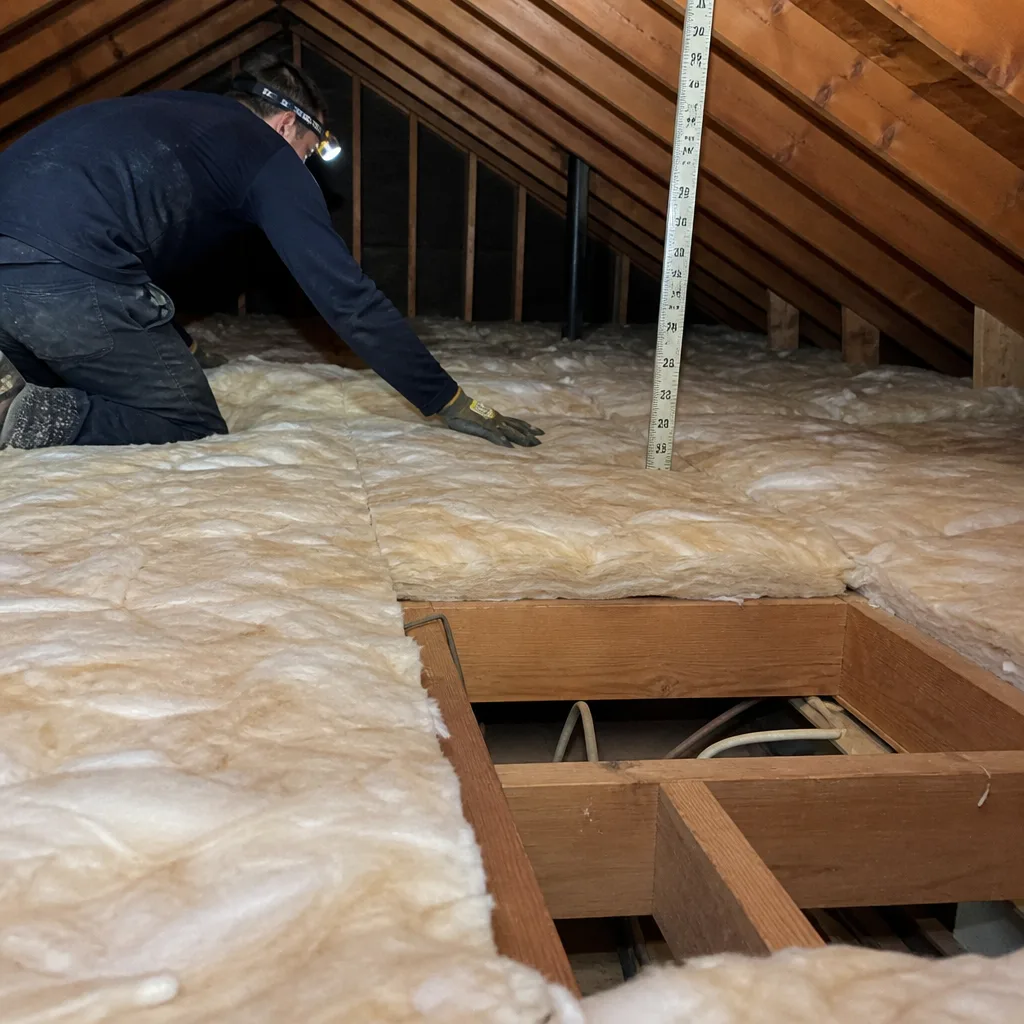
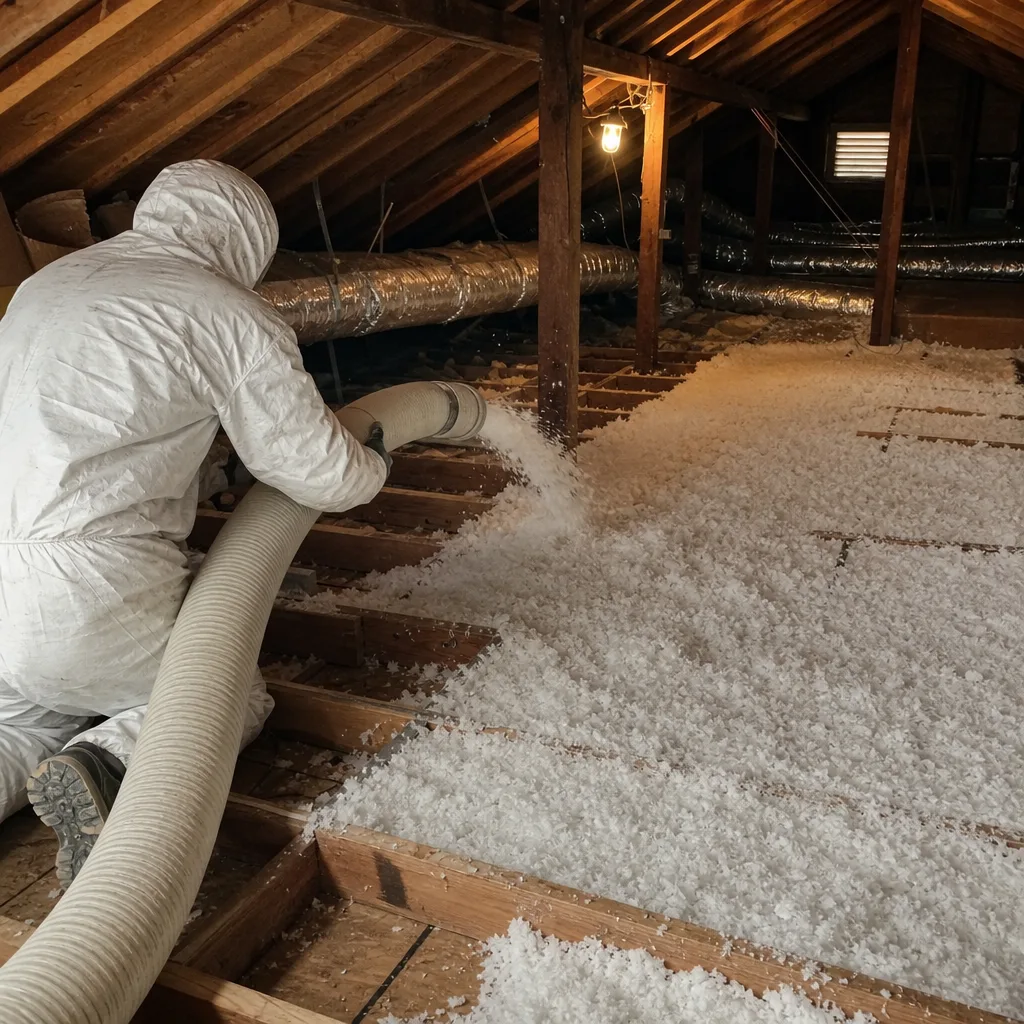
Fast, Reliable Attic Insulation Across Spring Valley Lake
Attic insulation in Spring Valley Lake is a different job than it is ten miles down Bear Valley Road. Most homes here were built between 1963 and 1995 as wood-frame construction with shake or tile roofs, and the combination of 90°F+ summer afternoons, 20°F winter nights, and lake-humid mornings means your attic has to handle heat gain, cold snaps, and condensation all in the same week. We know the housing stock here because we work in it constantly. If your power bill swings from $200 in spring to $500 in August, or your upstairs rooms never quite match the thermostat, call us at (855) 773-6429. We’ll assess what’s actually in your attic and tell you straight whether it’s doing its job.
Why Placentia Insulation Is Spring Valley Lake’s Preferred Attic Insulation Company
Placentia Insulation is a dedicated Attic Insulation contractor, not a generalist that sends a different crew every week. That matters in Spring Valley Lake specifically because the HOA’s architectural review process punishes sloppy attic work. A vent added in the wrong spot, a roofline altered without approval, a visible change from the street: these become violations, fines, and headaches. We plan insulation jobs around what the HOA will actually approve, and we’ve done enough work on both the lake side and the perimeter streets to know what triggers review and what doesn’t.
Our customers in Spring Valley Lake consistently mention two things: the crew showed up when they said they would, and the work passed architectural review without a single exterior alteration. Alan Whitcomb, who leads Placentia Insulation, has built the company around matching the material to the job rather than selling whatever one supplier stocks. That’s why we carry eight brands and three installation methods. Most insulation contractors carry one or two product lines. We carry eight, so your home gets what it actually needs, not what’s easiest for us to install.
When you call, you’re talking to an insulation specialist. Not a dispatcher reading a script. We’ll ask about your home’s construction, your roof type, whether you’re lake side or not, and what the HOA has approved in the past. Then we’ll schedule a real assessment and give you an honest recommendation.
Radiant Barrier in Spring Valley Lake
Radiant Barrier in Spring Valley Lake is one of the highest-payback upgrades available for homes with shake or tile roofs, because the high-desert sun doesn’t just heat your attic air, it radiates heat directly through the roof deck and into everything below it. A radiant barrier is a reflective material installed on the underside of the roof rafters that reflects that heat back out instead of letting it soak into your insulation and ceiling. In a lake-side home with a tile roof and vaulted ceilings, it can cut attic temperatures by 20 to 30 degrees on a July afternoon, which is often the single biggest lever for reducing summer cooling costs.
For Spring Valley Lake homeowners, a radiant barrier installation typically runs $1,800 to $3,400 depending on attic size, roof pitch, and whether we’re working around existing ductwork and can lights. It’s not a substitute for insulation, it’s a complement. We commonly pair it with a blown-in top-up or replacement because the two work on different heat-transfer mechanisms: radiant heat and conductive heat.
Reflective Foil on Rafter Undersides
We install reflective foil directly against the underside of the roof decking, secured so it doesn’t interfere with ridge or gable venting. The key detail in Spring Valley Lake is keeping the installation completely invisible from the street. Since the foil lives inside the attic, it’s inherently HOA-compliant, which is one reason it’s so popular in this community. Nothing changes on the exterior.
Vented Attic Compatibility
Radiant barriers work best in vented attics, which nearly every Spring Valley Lake home has. We check that your existing soffit, gable, and ridge vents are clear and moving air before we install, because a radiant barrier in an unvented or poorly vented attic can trap moisture on cold winter nights. That moisture is a real risk here, given lake-humid mornings from fall through spring.
Attic Cleaning Services in Spring Valley Lake
Attic Cleaning Services in Spring Valley Lake usually means more than pulling out old insulation. In a community built around a private lake, attic cleaning frequently involves removing compacted blown-in fiberglass that’s been soaked and matted by shake-shingle roof leaks, rodent droppings from high-desert pack rats and mice, or decades of dust and construction debris. A clean attic is the starting point for any insulation upgrade, because you can’t seal top plates, can lights, or duct penetrations through a layer of contaminated material. And you don’t want to blow new insulation over old rodent waste or mold-stained material.
Attic cleaning in Spring Valley Lake typically runs $1,200 to $2,800 for a full removal using a vacuum truck, depending on attic size and the condition of the existing material. Homes on the lake side with vaulted ceilings and tight access can run toward the upper end because the work is slower. We always clean before we insulate, and we never blow new material over old problems.
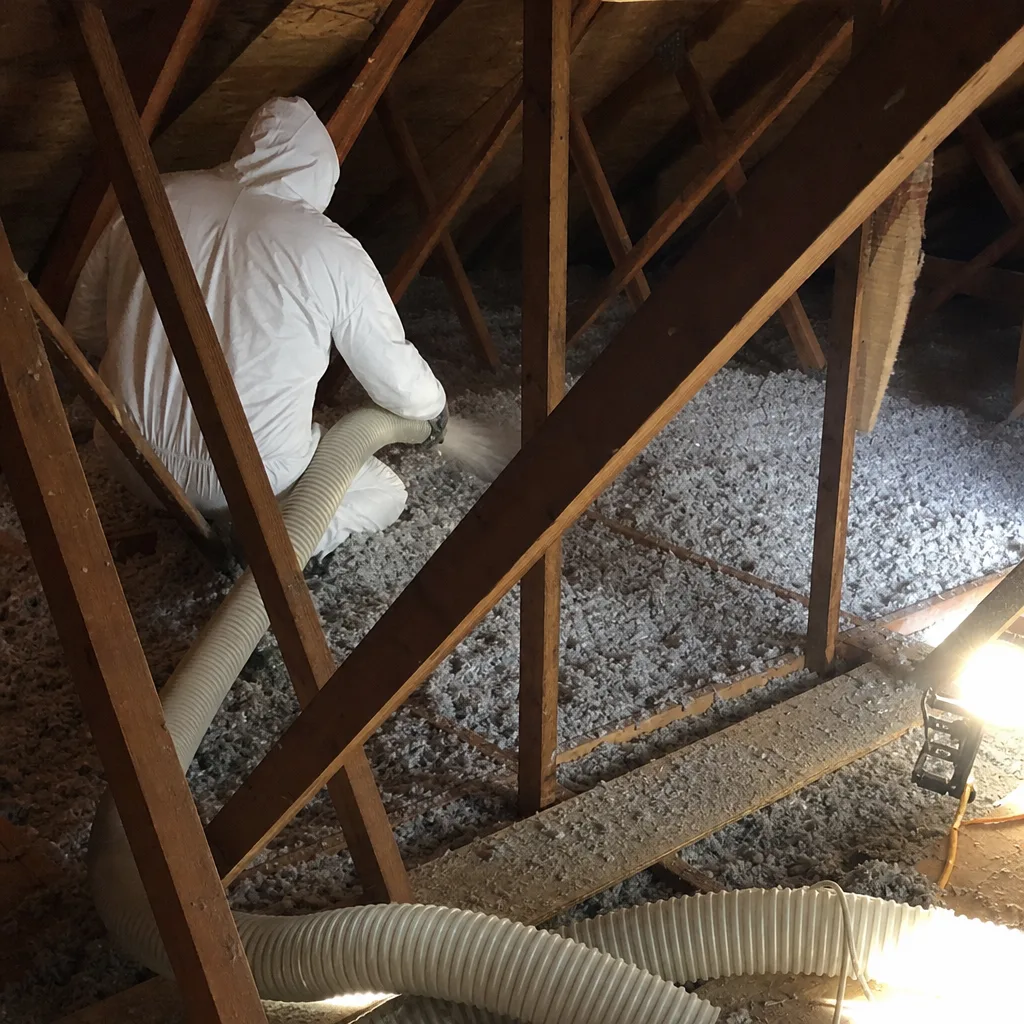
Vacuum Removal and Prep
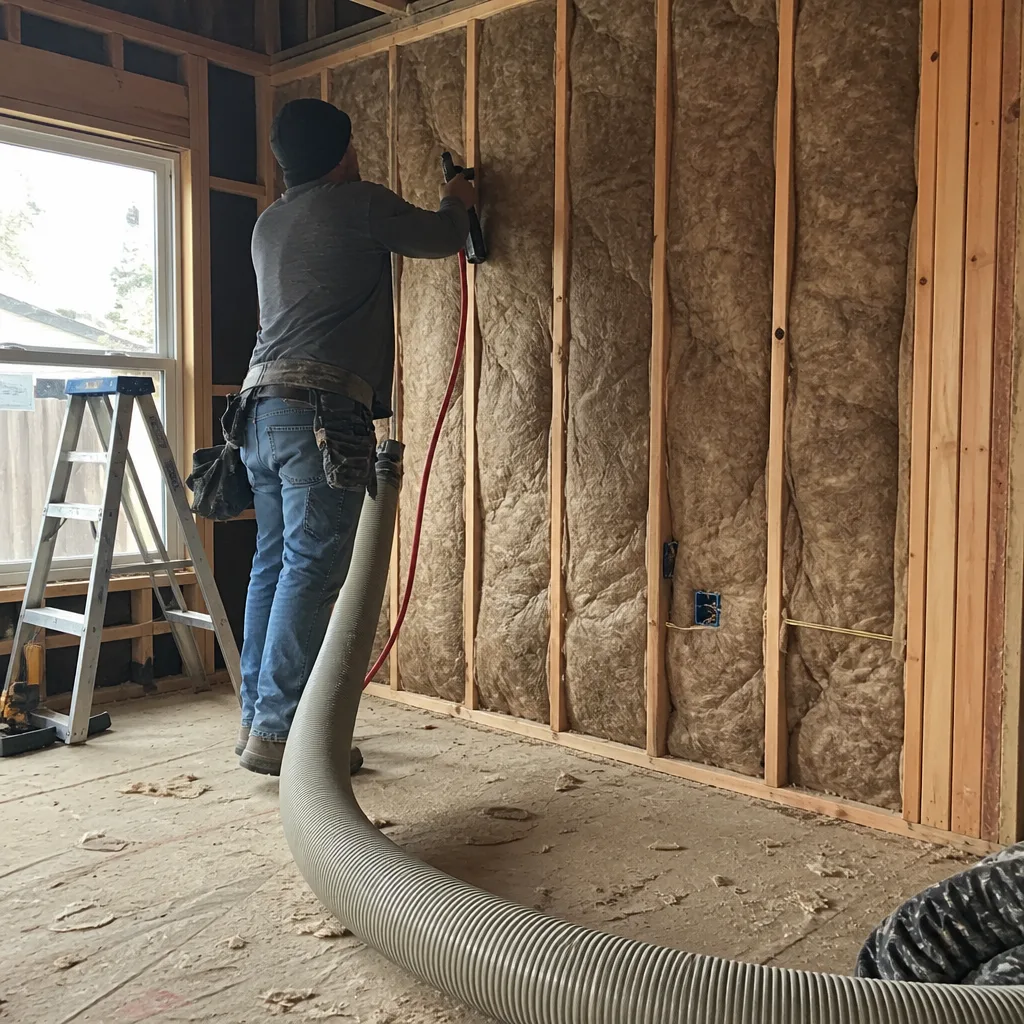
We use a commercial vacuum system to remove old fiberglass, cellulose, or mineral wool down to the drywall, then we inspect what’s underneath. This is when we find the real issues: cracked top plates, unsealed can lights, bath fans venting into the attic instead of outside, and compromised roof decking from old leaks. If we find decking damage, we’ll tell you before we proceed, because that needs a different trade, and we don’t pretend to be roofers.
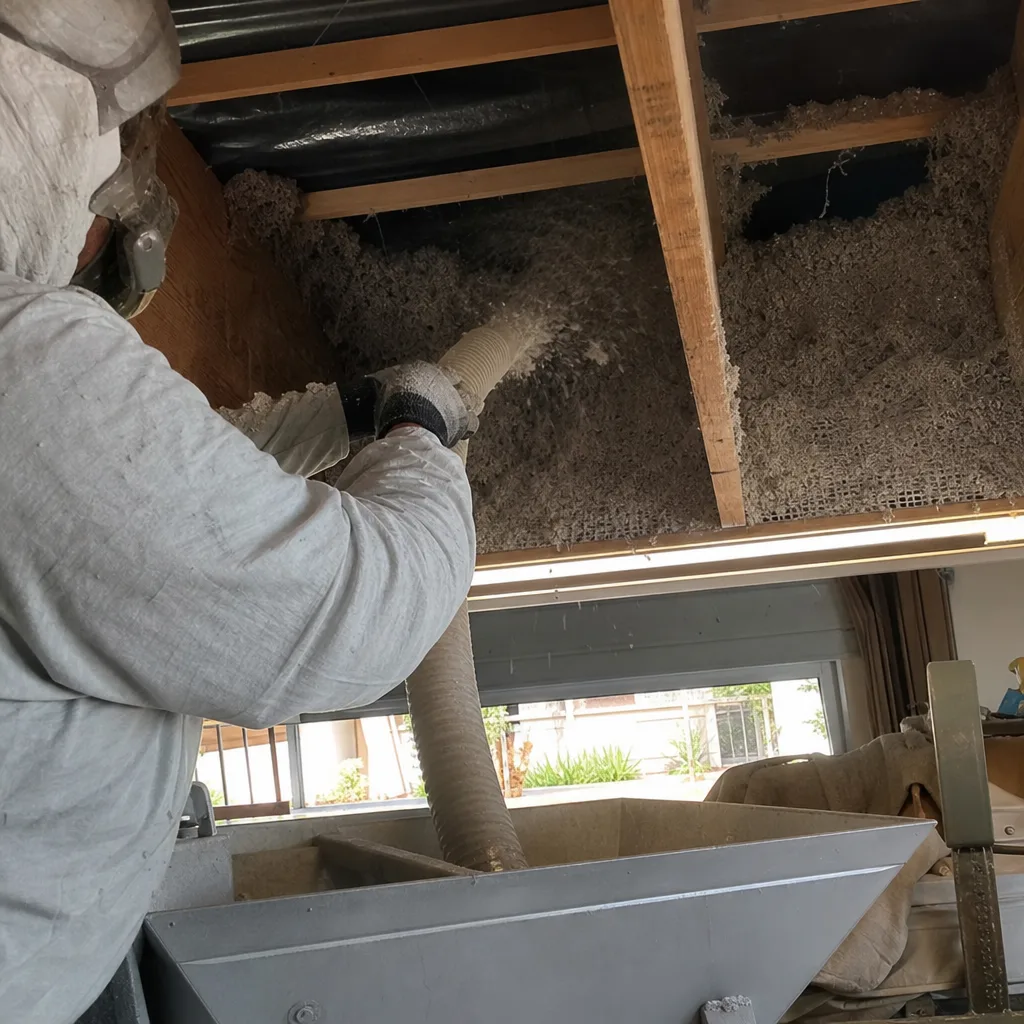
Sealing Before Insulating
After removal, we seal air bypasses at top plates, wire penetrations, plumbing chases, and recessed can lights. This step matters more in Spring Valley Lake than in drier, lower-elevation cities, because lake-humid air that gets into the attic on a winter morning condenses on cold roof decks and starts mold cycles. Sealing first is the only way an insulation job actually performs at the R-value we install.
What happens when you call
- 1
A real person answersNo phone trees — you reach a local pro.
- 2
You get an upfront price rangeHonest numbers before anyone is dispatched.
- 3
A background-checked tech heads outLicensed & insured, dispatched right away.
- 4
You approve before work beginsNothing starts until you say go.
Trusted Brands We Service in Spring Valley Lake
We stock and install materials from eight manufacturers, which means we’re not guessing what to put in your attic. For Spring Valley Lake homes, we commonly recommend GreenFiber blown-in cellulose for attic top-ups because it fills irregular cavities around vaulted ceiling framing and settles predictably. For tight spaces and air-sealing applications, Icynene open-cell spray foam does the job where batts can’t. For homeowners prioritizing fire resistance, we have Rockwool mineral wool. Owens Corning and Demilec round out the library for specific performance needs. We keep materials staged for quick turnaround in the 92395 area, and we don’t make you wait on a supplier’s schedule.
Common Attic Insulation Problems We See in Spring Valley Lake Homes
- Compacted blown-in fiberglass from shake-shingle leaks. Lake-side homes with original shake roofs frequently have fiberglass that’s been wet and matted by slow leaks over the years. Once compressed, R-value drops dramatically. We’ve pulled out material that started as R-11 and tested closer to R-6.
- Unsealed attic bypasses under vaulted ceilings. Vaulted ceilings are common in homes built in the 1970s and 1980s here, and the framing creates channels for conditioned air to escape into the attic. If the top plates and can lights are never sealed, the best insulation in the world won’t fix your comfort problem.
- HOA-invisible venting that doesn’t actually vent. Some older homes have gable vents that look fine from the street but are blocked by framing or old insulation on the inside. We check airflow, not just appearance, because a vent that doesn’t move air is just a hole in your siding.
- Original R-11 or R-19 insulation reduced by HVAC work. Every time an HVAC tech runs new ductwork or a homeowner adds recessed lighting, attic insulation gets disturbed. Three decades of small disturbances leaves bare spots and inconsistent coverage, which is why we do a full attic assessment before any quote.
Pricing for Attic Insulation in Spring Valley Lake, CA
What you’ll pay depends on what’s in your attic now and what we’re doing about it. A straightforward blown-in cellulose top-up to R-38 in a typical Spring Valley Lake single-story home runs $1,400 to $2,600. Full attic cleaning with removal and re-insulation runs $2,800 to $5,500. Radiant barrier installation adds $1,800 to $3,400. Attic batt insulation in a new or remodeled space runs $1,200 to $2,400 for standard fiberglass batts, more for Rockwool. Homes with vaulted ceilings, tight attic access, or lake-side moisture damage land at the upper end of every range. Call (855) 773-6429 for an exact quote. Estimates are free, and we’ll show you what’s actually in your attic before we quote a number.
We Also Serve Cities Near Spring Valley Lake
Placentia Insulation works throughout the High Desert and Inland Empire, including Spring Valley Lake, Mountain View Acres, Victorville, Apple Valley, and Hesperia. If you’re in one of those areas and your attic isn’t doing its job, we’ll bring the same assessment-first approach. The construction there is similar to what we see here, and we know what those homes need.
Serving Spring Valley Lake, CA — Our Local Coverage Area
We’re based in the Spring Valley Lake area and know this community well. Use the map below to see our service coverage — if you’re nearby, we can almost certainly help.
FAQs About Attic Insulation in Spring Valley Lake
Yes, especially with a shake or tile roof facing south or west. Radiant barriers reduce heat transfer through the roof deck, which is the dominant cooling load for Spring Valley Lake attics in summer. A radiant barrier works in any vented attic regardless of roofing material, and since it installs inside the attic, it never triggers HOA review. Call (855) 773-6429 and we’ll tell you whether your attic is a good candidate.
We typically schedule assessments within 2 to 5 business days in Spring Valley Lake, and we group jobs in the 92395 area to keep travel time down. If you have an active leak or visible mold in the attic, tell us when you call and we’ll prioritize the visit.
Yes. We work throughout Spring Valley Lake, including lake-side homes with vaulted ceilings, perimeter streets, and the older sections built in the 1960s. Access can be tighter on lake-side properties, but we plan for it and bring the right equipment.
Base material and labor rates are roughly the same across the High Desert, but Spring Valley Lake homes with lake-side moisture damage or HOA-driven access constraints can run higher because the work is slower. The biggest variable is what’s already in your attic, not which city you live in. We quote each home individually.
If the insulation was installed by us, we’ll come back and make it right under our workmanship warranty. If it was installed by another company or is original to the home, we’ll assess it honestly and tell you what needs to happen. We don’t charge for the assessment, and we won’t sell you work you don’t need.
Written by Alan Whitcomb, Owner at Placentia Insulation, serving Spring Valley Lake and the surrounding High Desert communities.