
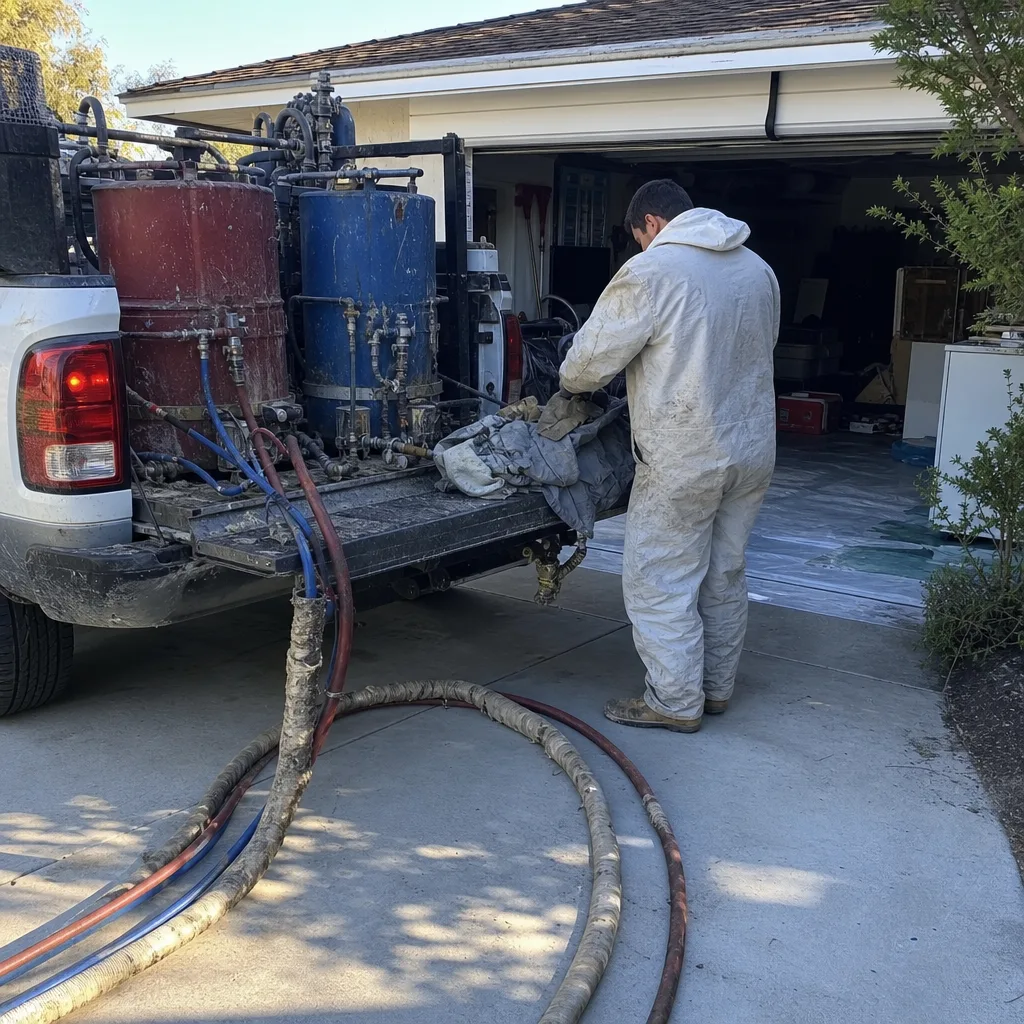
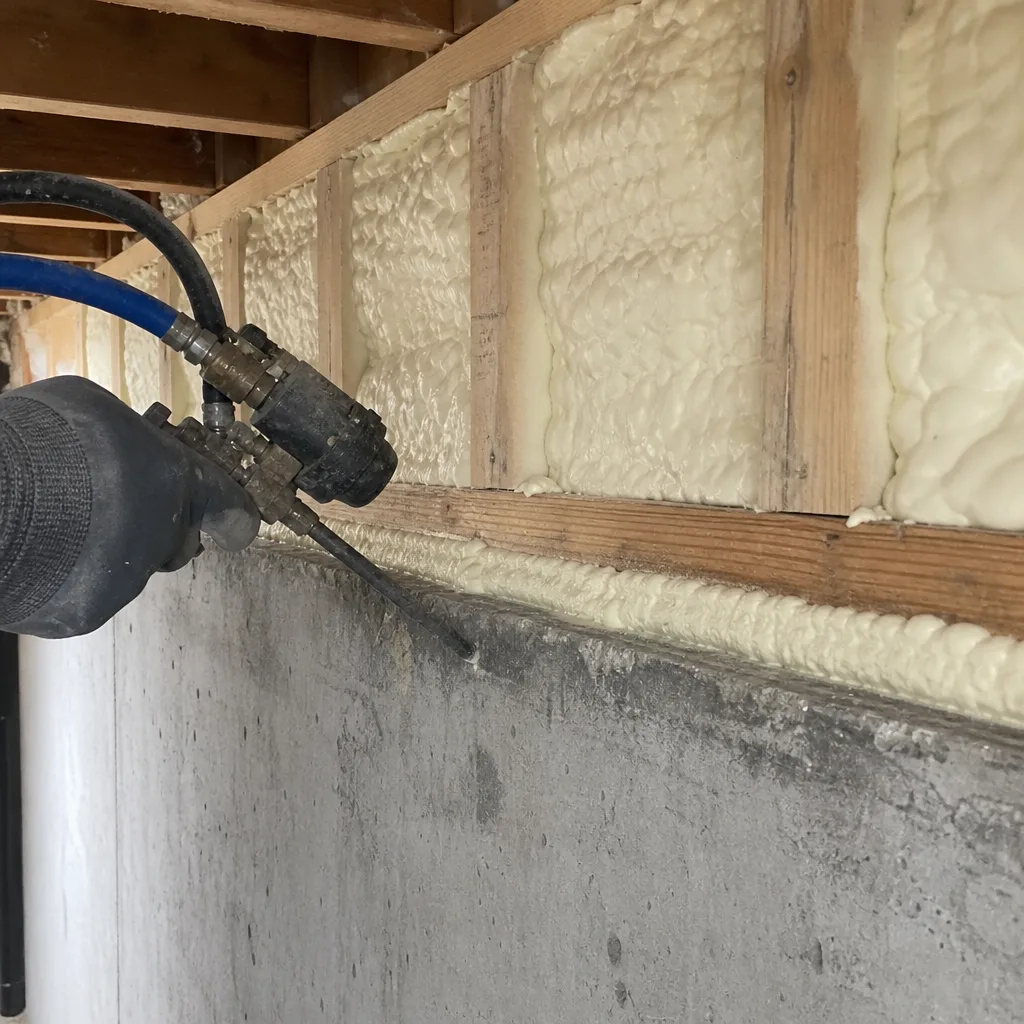
Fast, Reliable Spray Foam Insulation Across Northridge
Spray foam insulation in Northridge solves a problem most local homes share: mid-century ranch houses with thin or empty wall cavities and attics that climb past 150°F every July afternoon. We work throughout the 91324 and 91325 grid regularly, so we know exactly what these 1950s and 60s builds are hiding behind their original drywall. If your AC runs constantly and rooms still feel uneven by 3 p.m., the fix is usually air sealing and the right foam chemistry in the right places. Call (855) 773-6429 and we’ll come assess it.
Why Placentia Insulation Is Northridge’s Preferred Spray Foam Insulation Company
We’re an insulation-only contractor. That matters in Northridge because the local housing stock demands a specialist’s eye – these ranch homes were framed when insulation was an afterthought, and the additions piled on later rarely match the original build. We carry both open-cell and closed-cell foam from Icynene and Demilec, so we’re not forcing one product into every cavity. The choice gets made based on what the wall or roof deck actually needs: closed-cell for the 150°F deck heat and vapor control, open-cell for interior walls and sound dampening near the CSUN rental corridors. Alan Whitcomb, who leads our crews, has seen enough Northridge attics to know the difference between a house that just needs top plates sealed and one where the whole roofline should be foamed. Our response time into Northridge from our Placentia yard runs same-day on most calls, next morning at the latest. When a homeowner off Tampa Avenue calls about a bedroom that won’t cool, we treat that as a this-week job, not a next-month maybe.
Local experience means we’re familiar with the specific ways these homes fail. The original 1960s wall cavities are often empty from the top plate down. The 1990s and 2000s additions sometimes have fiberglass batts that were installed poorly or compressed. And the attic access hatches in many Northridge ranches are located in hallways where nobody thought to seal around the frame. Those are the gaps we close.
Spray Foam Insulation Contractors in Northridge
Spray foam insulation contractors in Northridge handle two distinct jobs: sealing the building envelope and adding thermal resistance where the 1960s builders left none. We’re one of the few firms in the area running both Icynene and Demilec lines, so the foam chemistry gets matched to the application. A typical closed-cell job on a Northridge attic or wall cavity runs $2.80 to $4.50 per board foot installed, while open-cell lands between $1.20 and $2.20 per board foot. Whole-home retrofits on a standard 1,400-square-foot ranch generally settle between $6,500 and $14,000 depending on how much of the original wall space is accessible.
Closed-Cell for Decks and Unvented Spaces
When the roofline is the problem, closed-cell is usually the answer. It bonds to the deck, blocks radiant heat transfer, and acts as its own vapor barrier. On Northridge homes where the attic is already cooking, we often foam the underside of the roof deck and convert the space to a conditioned attic.
Open-Cell for Interior Walls and Sound
If the goal is quieting a bedroom wall that faces Lindley Avenue or sealing a rim joist without adding weight, open-cell does the job at a lower material cost. It’s also the right choice for walls that need to breathe slightly in an old ranch where true vapor barriers weren’t part of the original design.
Spray Foam Attic Insulation in Northridge
Spray foam attic insulation in Northridge is less about winter and more about fighting the radiant heat that pours through the roof deck from May through October. On a 104°F August day, an uninsulated Northridge attic easily exceeds 150°F, and that heat loads the ceiling drywall below, forcing the AC to run longer and short-cycle against a losing battle. We insulate the roofline itself in most cases, which keeps the ductwork from baking. Attic-only spray foam jobs on a standard ranch typically run $3,200 to $6,800 depending on roof pitch and whether we’re doing the full deck or sealing the top plates and penetrations.
Sealing Top Plates Before Foam Touches Deck
Air moves through an old Northridge attic in predictable ways. The top plates, electrical penetrations, and plumbing chases all leak hot Valley air past the insulation. We hit those first, then foam. Skipping the air sealing means the foam just floats above a leaky wall system.
Mixed-Era Additions Need One Approach
A house off Zelzah Avenue with a 1990s addition won’t insulate evenly if the two zones are treated separately. We reconcile the seam where the addition meets the original 1960s wall cavity and make sure the roofline transitions don’t leave a gap the foam never reaches.
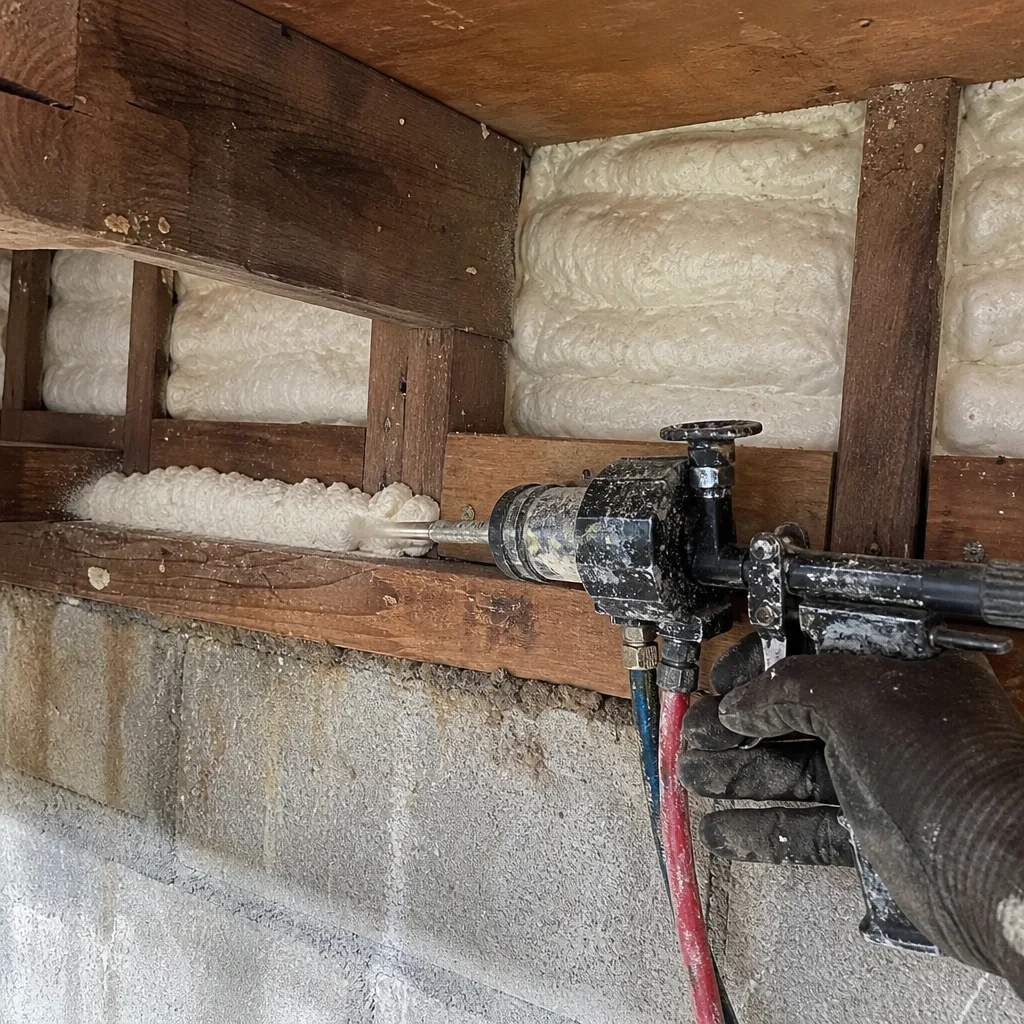
Trusted Brands We Service in Northridge
Most insulation contractors carry one or two product lines. We carry eight brands across fiberglass, mineral wool, cellulose, and spray foam, so your Northridge home gets what it actually needs instead of whatever the truck happens to have. For spray foam specifically, that means Icynene and Demilec – two of the most recognized names in open-cell and closed-cell chemistry. If your project calls for mineral wool in a garage conversion or fire-rated assembly near the CSUN area, we stock Rockwool. If a blow-in cellulose top-up on the original 1960s attic makes more sense than full foam, we run GreenFiber. The point is options. We match the material to the job, not the job to the one product we sell.
Common Spray Foam Insulation Problems We See in Northridge Homes
- Foam applied over 1960s attic surfaces without addressing the radiant deck first. The foam slows conduction, but a 150°F roof deck still pushes heat through the framing members. We treat the deck and the air seal as one job.
- Foaming one era of construction and leaving a later addition unsealed. Northridge ranches near CSUN often have 1990s or 2000s additions where the wall cavities were insulated haphazardly or not at all. If the two zones aren’t reconciled, the conditioned air leaks out the same gap the foam was supposed to stop.
- Top plates and penetrations left unsealed in low-slope ranch attics. The original builders weren’t thinking about air movement. A foam job that skips the top plates lets hot air bypass the insulation entirely.
- Detached workshops and outbuildings ignored because they’re “not the house.” On Northridge acreage properties, the workshop or garage often radiates heat all afternoon and loads the main house’s AC. Foaming the workshop roofline and walls with closed-cell changes the heat profile of the whole property.
Pricing for Spray Foam Insulation in Northridge, CA
Closed-cell spray foam in Northridge runs $2.80 to $4.50 per board foot installed. Open-cell runs $1.20 to $2.20 per board foot. A typical 1,400-square-foot ranch, fully air-sealed and foamed at the roofline, lands between $6,500 and $14,000. Attic-only jobs run $3,200 to $6,800. A detached workshop or garage ceiling runs $1,800 to $3,500 depending on size and whether we’re doing walls as well. What moves the price: roof pitch, attic access, how much of the original wall cavities need drilling and filling, and whether we’re reconciling a later addition. Estimates are free and take about an hour on site. Call (855) 773-6429 and we’ll walk you through it with real numbers.
We Also Serve Cities Near Northridge
Our crews run the same routes through North Hills, Encino, Van Nuys, and Valley Glen every week. If you’re just outside the Northridge boundary, the drive time adds nothing to your job’s complexity – we stock materials at our Placentia yard and dispatch to the whole west Valley from there. Read more about our Spray Foam Insulation service line, or see how we work across Northridge and the surrounding communities.
Serving Northridge, CA — Our Local Coverage Area
We’re based in the Northridge area and know this community well. Use the map below to see our service coverage — if you’re nearby, we can almost certainly help.
FAQs About Spray Foam Insulation in Northridge
Yes. Closed-cell foam on the underside of the roof deck stops the radiant heat before it enters the attic space, which keeps the ductwork and ceiling drywall cooler. Expect attic temps to drop meaningfully and AC runtime to shorten. Call (855) 773-6429 for a deck assessment and exact quote.
Yes, and this is one of the most common jobs we do in Northridge. We foam the original wall cavities and the addition’s cavities in a single pass, then seal the seam where the two eras meet so air doesn’t migrate between zones. The house ends up behaving like one conditioned envelope instead of two fighting systems.
Usually yes. Detached shops have no conditioned space to buffer them, so closed-cell on the walls and roofline is often the right call. It adds structural rigidity and handles the direct sun load better than open-cell. We assess each outbuilding separately – a workshop that bakes until 8 p.m. probably needs a different foam spec than the main house’s attic.
We install Icynene and Demilec spray foam. Icynene open-cell is our go-to for interior walls and sound control; Demilec closed-cell handles roof decks, rim joists, and any application where vapor control or structural strength matters. We carry both and choose based on the job, not the truck.
No. Northridge’s problem is heat, not cold. Spray foam cuts cooling load by closing the air leaks and radiant heat paths that force your AC to work harder all summer. The fact that winter is mild doesn’t reduce the August value – it just means the payoff shows up on your LADWP bill from June through October.
Written by Alan Whitcomb, Owner at Placentia Insulation, serving Northridge and the San Fernando Valley.