
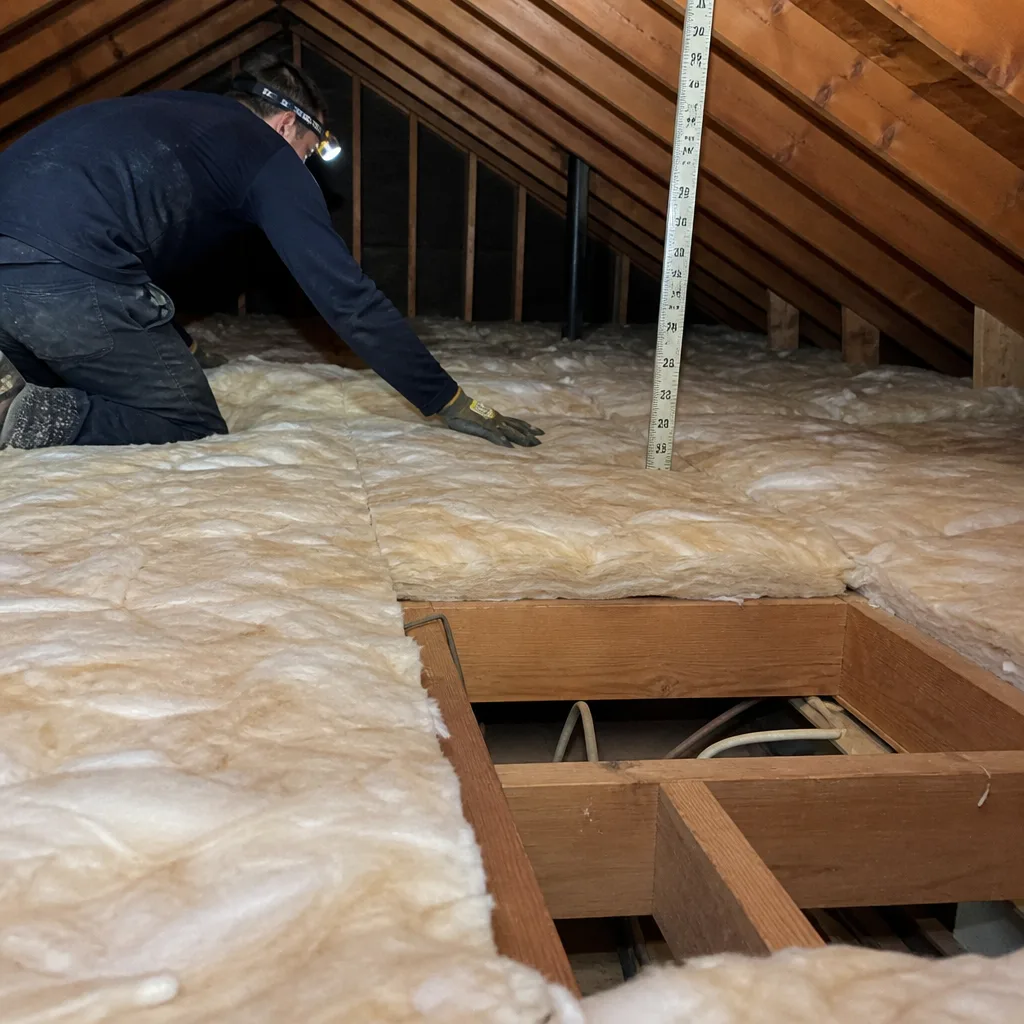
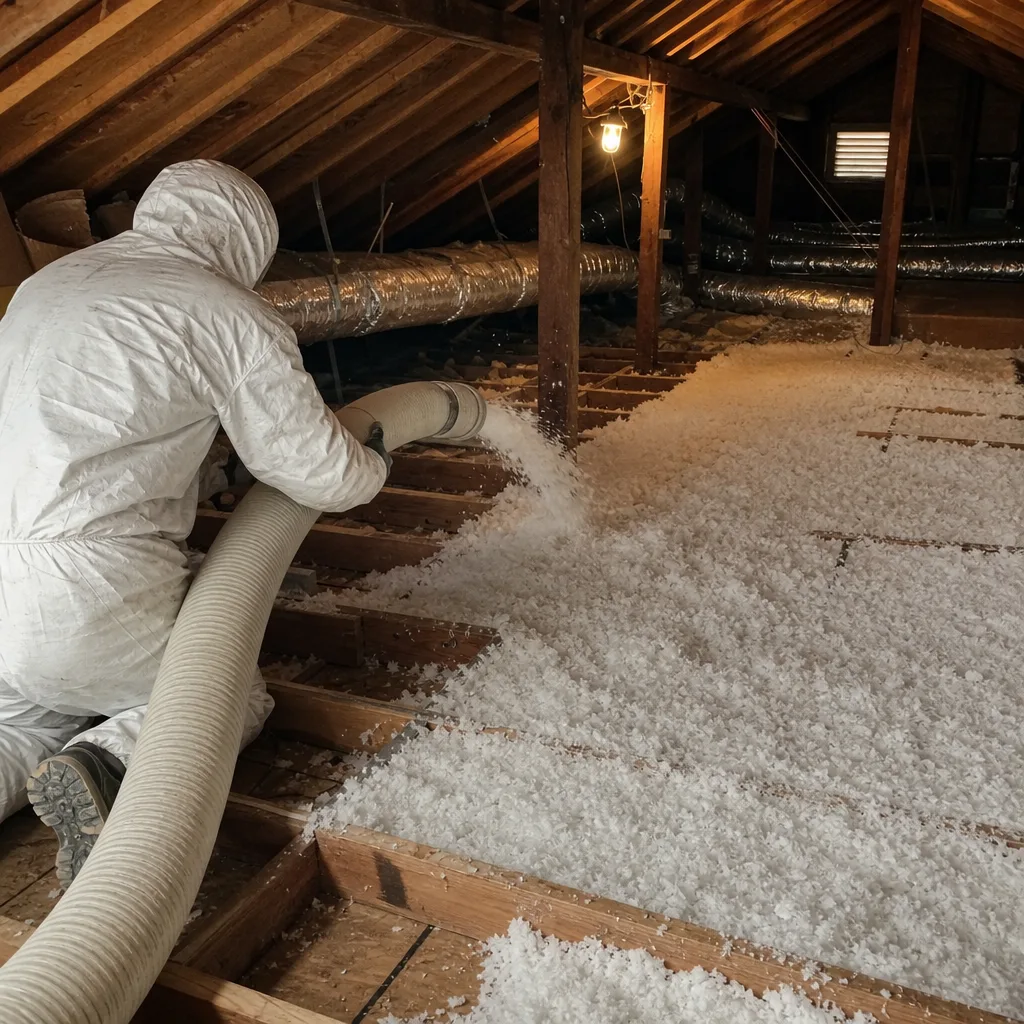
Fast, Reliable Attic Insulation Across Running Springs
Attic insulation in Running Springs is a different job than it is down the hill. At 5,000-plus feet, your attic has to handle snow load, hard freezes, and freeze-thaw cycles that lowland homes never see. We’re Placentia Insulation, and our Attic Insulation crews work this corridor regularly, so we know what a Rim of the World cabin needs before we even open the hatch. If your heating bills are climbing or you’ve spotted ice dams along the eaves, call us at (855) 773-6429. We’ll assess what’s in your attic, explain what’s actually wrong, and quote the fix in plain numbers.
Why Placentia Insulation Is Running Springs’s Preferred Attic Insulation Company
Running Springs homeowners call us because we’re insulation specialists, not a general contractor who does insulation on the side. Every truck we send up Hwy 330 or Hwy 18 carries the same focus: fiberglass, mineral wool, spray foam, and cellulose, installed correctly for a mountain climate. Homeowners along the Rim of the World corridor have told us the same thing for years: other companies quoted them a generic “attic job” without accounting for snow exposure or ice damming. We don’t do that.
Our techs know the housing stock up here. A-frames off Hwy 18, mid-century cabins near the 92382 corridor, second homes that sat vacant through three snow seasons: each needs a different approach. When we respond to a call in Running Springs, we’re not learning the area on the job. We already know that cathedral ceilings and exposed-beam framing are the norm, and that venting problems cause more insulation failures than the insulation itself. That local knowledge means fewer surprises and a quote that actually holds.
Led by Alan Whitcomb, our team treats every Running Springs attic as a freeze-thaw project first. Alan’s been clear on that from day one: match the material to the job, not the job to whatever’s on the truck. That’s why we carry eight brands and three installation methods, so a cabin above 5,000 feet gets Rockwool or closed-cell foam when the conditions call for it, not whatever single-brand shops happen to stock.
Radiant Barrier in Running Springs
Radiant barrier in Running Springs is a question we get often, and the answer depends on how your attic breathes and where the sun hits your roof. A radiant barrier is a reflective material installed under the roof deck that reflects radiant heat rather than absorbing it. In a lowland Inland Empire attic, that’s mostly about summer cooling. In Running Springs, it’s about both seasons: reducing summer heat gain during hot dry spells, and helping manage the temperature differential that contributes to condensation in winter. When a Running Springs homeowner asks whether a radiant barrier makes sense, we look at the roof pitch, the venting, and whether snow sits on the roof for weeks. A radiant barrier typically runs $1.50 to $3.00 per square foot installed in this market, depending on whether it’s stapled to the rafters or laid over existing insulation.
When a Radiant Barrier Isn’t the Fix
A radiant barrier won’t solve an ice dam. If warm air is leaking into the attic and melting snow at the roof deck, the fix is air sealing and proper insulation depth, not a reflective layer. We’ve seen Running Springs attics where a previous contractor sold a radiant barrier as a cure-all, and the ice dams came back the next winter. We’d rather tell you that upfront than take the job.
Radiant Barrier as Part of a Full Attic Retrofit
Where a radiant barrier does earn its keep in Running Springs is on south-facing and west-facing roof planes that get full afternoon sun in the summer. Combined with proper venting and the right insulation depth, it can cut cooling load and keep the attic closer to outdoor temperature. For an older cabin with a dark composition shingle roof, that’s a measurable difference. We install it as part of a planned retrofit, not as a standalone band-aid.
Attic Cleaning Services in Running Springs
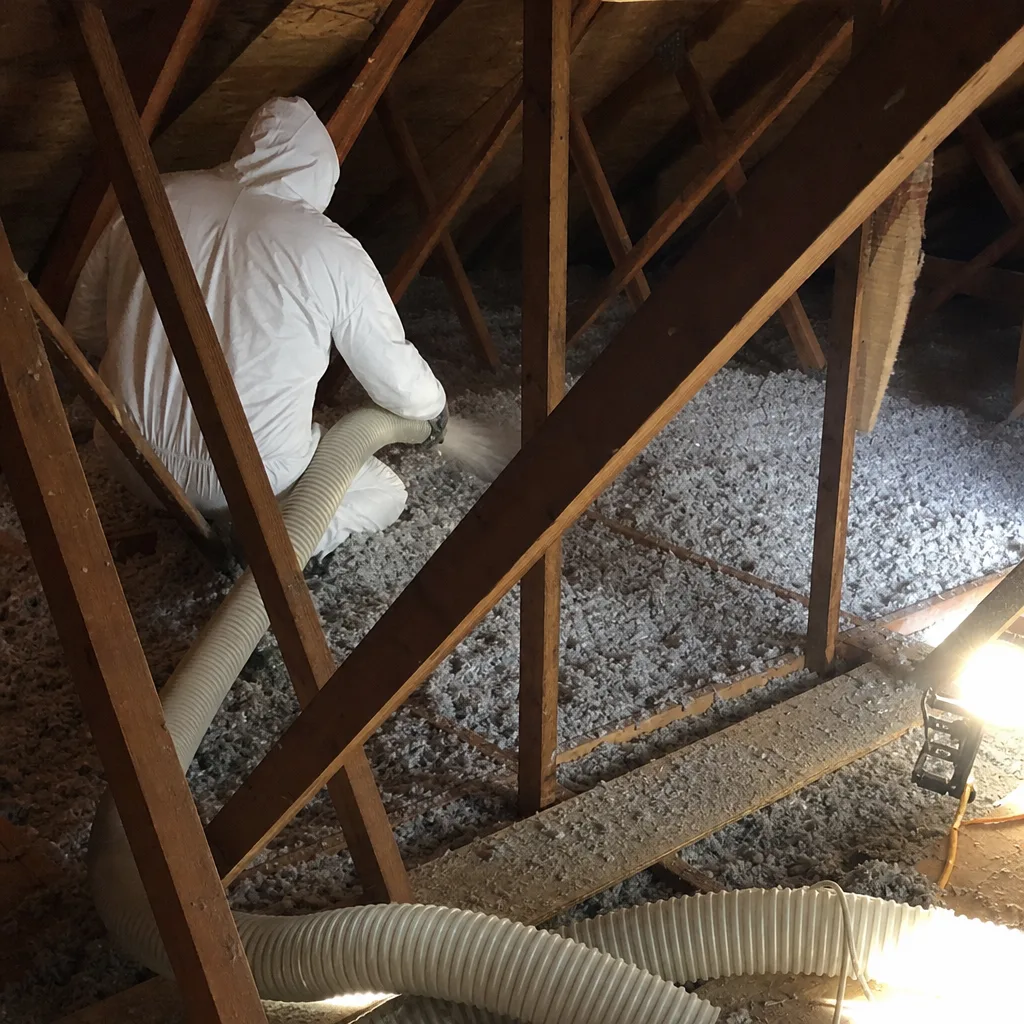
Attic cleaning services in Running Springs often uncover the real problem before we add any insulation. The job means removing old, compressed, or contaminated insulation, clearing debris, checking for animal intrusion, and exposing the attic floor and roof deck so we can see what’s actually happening. In Running Springs, we’re usually looking for moisture damage from ice damming, rodent nests in vacant second homes, and old fiberglass batts that have collapsed under their own weight after years of freeze-thaw cycles. Attic cleaning here typically runs $2.00 to $4.00 per square foot for removal and disposal, depending on access, depth, and whether there’s contamination like rodent droppings or moisture-matted material.
When Old Insulation Needs to Come Out
If insulation has been wet from an ice dam leak, it’s done. Wet fiberglass loses its R-value and becomes a mold host. If rodents have been nesting in it, same story. We tell Running Springs homeowners the truth: sometimes you can top up over old insulation, and sometimes the old stuff has to come out first. We don’t cover over problems, because that just buries the issue deeper.
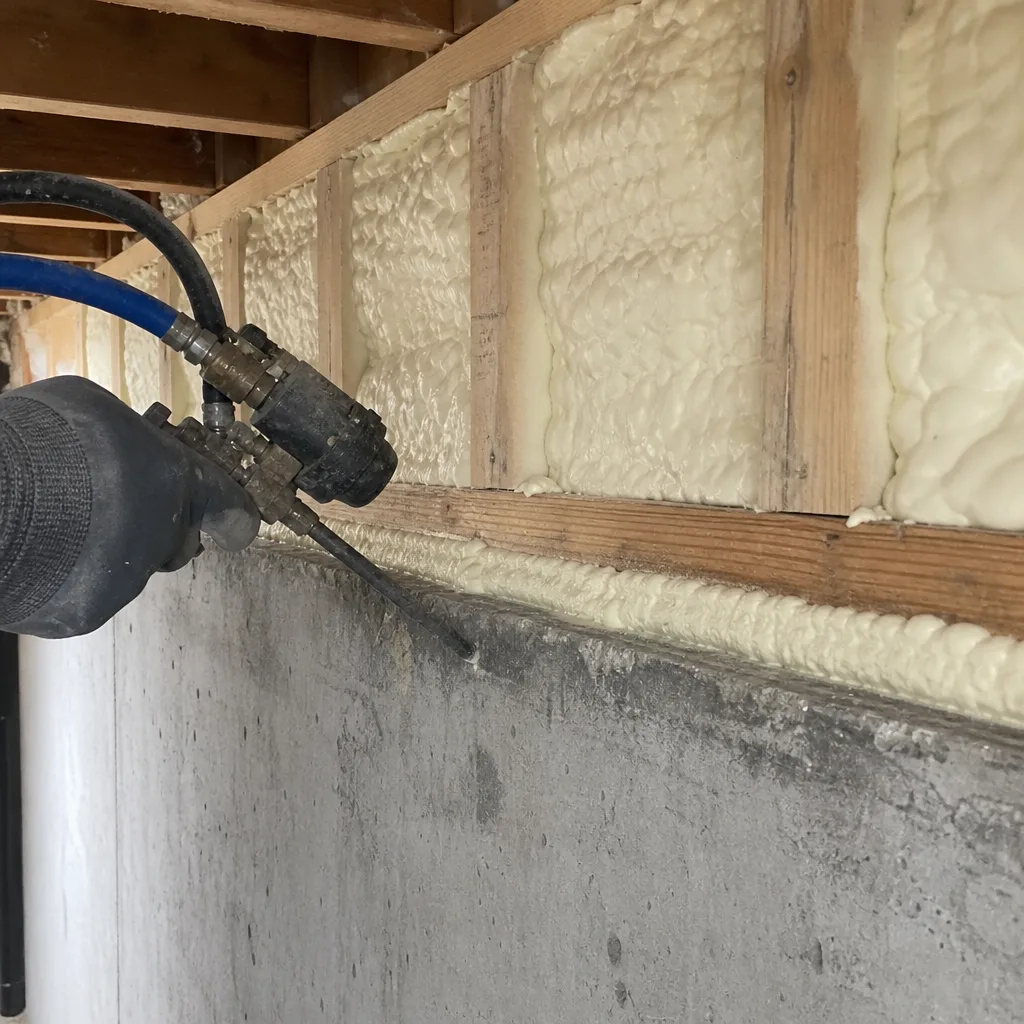
Cleaning Before Revealing the Venting
Cleaning an attic is often the only way to see whether soffit vents are blocked, whether baffles are missing, or whether the roof deck shows water staining. In older Running Springs cabins, we routinely find that a previous owner added insulation right over the soffit vents, choking the airflow and setting up the exact conditions that cause ice dams. A clean attic is a legible attic. We can then correct the venting and install insulation that actually performs.
What happens when you call
- 1
A real person answersNo phone trees — you reach a local pro.
- 2
You get an upfront price rangeHonest numbers before anyone is dispatched.
- 3
A background-checked tech heads outLicensed & insured, dispatched right away.
- 4
You approve before work beginsNothing starts until you say go.
Trusted Brands We Service in Running Springs
We stock and install insulation from eight manufacturers, which means a Running Springs cabin gets the right material, not whatever a single-brand shop has on the truck. For freeze-thaw durability and fire resistance in mountain homes, we turn to Rockwool mineral wool. For cathedral ceilings and tight rafter bays where air sealing is critical, Icynene open-cell and Demilec closed-cell spray foam give us the right chemistry for the job. For blown-in retrofits in older attics, GreenFiber cellulose packs tightly around irregular framing and blocks air movement well. Carrying CertainTeed, Owens Corning, Johns Manville, and Knauf alongside those means we can offer honest comparisons. Most insulation contractors carry one or two product lines; we carry eight, so your home gets what it actually needs. We keep stock available for Running Springs jobs, so turnaround is short even when the snow is falling.
Common Attic Insulation Problems We See in Running Springs Homes
- Ice damming at the eave. Thin or missing insulation lets warm interior air escape into the attic, melting roof snow that refreezes at the cold eave edge. We see this constantly in vacant second homes along the Rim of the World corridor, where no one is there to notice the first signs.
- Compressed or wet fiberglass batts from past retrofit jobs. A previous owner adds a second layer of batts over old, compressed material, often covering the soffit vents in the process. After one freeze-thaw winter, the batts are matted down, the R-value is gone, and condensation is sitting against the cathedral ceiling deck.
- Exposed-beam attic framing with no continuous air barrier. Older Running Springs cabins were built for seasonal use, and air leaks through gaps around chimney chases, recessed lights, and top plates. Cold winter air infiltrates and short-circuits whatever insulation is installed, so the house never holds heat.
- Blocked or missing attic baffles. Many of the A-frames and mid-century cabins we inspect up here have no baffle system at all, or the baffles have collapsed. Without a clear air channel from soffit to ridge, the attic can’t ventilate, and that’s when moisture problems begin.
Pricing for Attic Insulation in Running Springs, CA
Attic insulation work in Running Springs runs a bit higher than down the hill, and that’s mostly about access and housing stock. A standard blown-in cellulose or fiberglass top-up over existing insulation typically runs $1,800 to $3,200 for a 1,200-square-foot cabin. Full attic insulation replacement, including removal of old material and new installation, runs $4,000 to $7,500 depending on depth and whether we’re correcting venting at the same time. Spray foam for cathedral ceilings runs $3.50 to $6.50 per board foot installed. Radiant barrier adds $1.50 to $3.00 per square foot. What moves the number: slope of the roof, access hatches that require scaffold, whether the attic is walkable, and whether we need to include baffles and air sealing. We quote all Running Springs jobs with those factors spelled out. Call (855) 773-6429 for a free estimate and we’ll give you exact numbers for your attic.
We Also Serve Cities Near Running Springs
Placentia Insulation covers the entire San Bernardino mountain corridor. In addition to Attic Insulation in Running Springs, we regularly work in Lake Arrowhead, Highland, Mentone, and Crestline. If your cabin sits anywhere along the Rim of the World or just below it, we can get a tech to your door and quote your attic the same visit.
Serving Running Springs, CA — Our Local Coverage Area
We’re based in the Running Springs area and know this community well. Use the map below to see our service coverage — if you’re nearby, we can almost certainly help.
FAQs About Attic Insulation in Running Springs
Ice dams form because warm interior air leaks into the attic, melts snow at the roof deck, and the meltwater refreezes at the cold eave. A thick layer of insulation doesn’t help if air is bypassing it through gaps around chimney chases, recessed lights, or an unsealed top plate. The fix is air sealing and correcting the venting before adding more insulation. Call (855) 773-6429 and we’ll inspect your attic to find the actual air leaks.
Rockwool mineral wool is generally the better choice for Running Springs cathedral ceilings because it handles moisture without losing R-value, resists fire, and holds its shape in a sloped rafter bay. Fiberglass batts, especially if compressed into a sloped cavity, underperform in freeze-thaw conditions. We stock both, and we’ll recommend the one that fits your ceiling depth and exposure. Estimates are free at (855) 773-6429.
The old insulation should come out if it’s been wet from ice dam leaks, has rodent contamination, is compressed below its original loft, or is blocking the soffit vents. If the material is dry, structurally intact, and the venting is clear, a top-up can work. In Running Springs cabins, we usually find at least one of those failure conditions. We’ll show you what we find before we recommend removal.
It can, but only as part of a planned retrofit, not as a fix for ice dams or cold attics. A radiant barrier reflects summer heat on south-facing roof planes, which helps cooling season. It does nothing to stop warm air from leaking into the attic in winter. If summer heat gain is your main complaint and the attic is properly vented, a radiant barrier is worth considering. Call (855) 773-6429 for an honest assessment of your roof plane.
The most common venting corrections are clearing insulation that’s blocking the soffit vents, installing or replacing baffles, and adding ridge or gable vents where the original cabin had none. Without those fixes, any new insulation we install will be working against a moisture problem. We quote venting corrections as part of the insulation job, not as a separate surprise.
Call Placentia Insulation at (855) 773-6429 for a free estimate on attic insulation in Running Springs. We’ll inspect your attic, explain what’s actually going on, and quote a job that’s sized for the mountain, not for the valley.
Written by Alan Whitcomb, Owner at Placentia Insulation, serving Running Springs and the San Bernardino mountain corridor.